
Tools
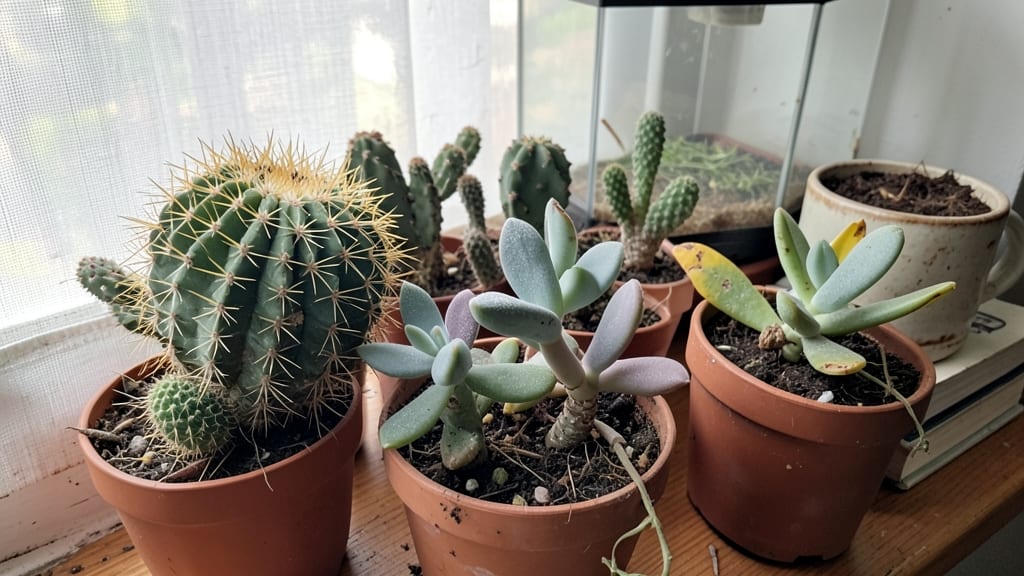
Creating an inside cactus garden that thrives with almost no effort is easier than you think—just a sunny spot and the right containers. 🌵 I’ve turned my living room into a desert oasis where these plants demand almost no attention, yet they bring that rugged, modern beauty indoors.
The key? Choosing the right mix of cacti and succulents that tolerate indoor conditions without wilting or rotting.
Start with shallow, well-draining pots—terracotta or ceramic with drainage holes works best—and group plants by sunlight needs. A south-facing window or a grow light for 6-8 hours a day keeps them happy, while a mix of tall columnar cacti and low-growing varieties creates natural height and texture.
Add a few decorative stones or a small sand tray to lean into that arid aesthetic without overcomplicating care.
Watering is the only real rule: let the soil dry completely between drinks, and never let them sit in saucers of water. Most indoor cacti only need a drink every 3-4 weeks, and you’ll know they’re thriving when they’re plump, not wrinkled.
The result? A low-maintenance centerpiece that stays lush year-round, even in dry winter air.
For extra flair, pair your cacti with air plants or drought-tolerant succulents like echeverias—they share the same care routine. And if your space gets too humid in summer, a small fan on low keeps the air moving just enough to prevent rot.
This setup works for apartments, offices, or sunrooms—just pick your cacti and let them do the rest.
📚 In This Guide
- What you need
- Instructions
- Tips and common mistakes
- Wrapping up and next steps
What you need
- ● Cacti & Succulents: 5–10 small-to-medium cacti (e.g., Mammillaria, Echeveria, or Opuntia)
- ● 1–2 larger statement plants (e.g., Saguaro or Barrel Cactus) if space allows
- ● Containers: 3–5 shallow pots (6–12 inches wide) with drainage holes (terracotta or ceramic preferred)
- ● 1 large planter or raised bed (if creating a ground-level garden)
- ● Soil: 5–10 gallons of cactus/succulent mix (60% mineral grit, 30% potting soil, 10% perlite)
- ● Drainage: Pebbles, gravel, or broken pottery shards (1–2 pounds) for layering at the bottom of pots
- ● Tools: 1 small trowel or hand shovel
- ● 1 pair of gardening gloves (cacti spines are no joke!)
- ● 1 spray bottle (for misting)
- ● 1 watering can with a narrow spout (or a hose with a gentle nozzle)
- ● Decorative rocks or sand for a desert-like finish
- ● LED grow lights (if indoor or low-light conditions)
- ● Slow-release fertilizer (like 5-10-5, sparingly!)
- ● A humidity tray (for tropical succulents like Haworthia)
- ● Twine or chicken wire to create a rustic trellis for climbing cacti
Step-by-Step instructions for creating an inside cactus garden
Here's how to build a thriving, low-maintenance cactus collection that thrives indoors.
🪴 Step 1: Select the Right Containers and Drainage
Start with shallow, wide pots—cacti hate soggy roots, so drainage is everything. I use terra cotta pots (unglazed) for their natural breathability, but any container with drainage holes works. Place a layer of small pebbles or coarse sand at the bottom to create a drainage barrier. This prevents soil from clogging the holes and keeps roots dry.
If your pots lack drainage, drill holes yourself—just be sure to use a drill bit slightly smaller than your pebbles to keep them from falling out. The key is to mimic their desert home: dry feet, always. Too much moisture equals rot, and you'll know it's right when water runs out the bottom within minutes of watering.
🌱 Step 2: Use Fast-Draining Soil Mix
Skip the regular potting soil—cacti need fast-draining, gritty mix to thrive. I blend 50% cactus/succulent soil with 30% perlite and 20% coarse sand (like horticultural sand, not playground sand). This creates air pockets so roots breathe and excess water drains instantly.
Fill your pots ¾ full with this mix, leaving room at the top for planting. Press it down lightly—just enough to stabilize the pot but not compact it. You'll see the difference when watering: the mix should feel dry to the touch within 3-4 days between waterings. If it stays damp, your mix is too dense and needs more perlite.
☀️ Step 3: Arrange Cacti by Light Needs
Group plants by their sunlight requirements—some cacti love bright, direct light, while others prefer indirect sunlight. Place sun-lovers like mammillaria or echinocactus near a south-facing window, where they’ll get 6+ hours of light daily. Shade-tolerant varieties (like rhipsalis) can handle east or west-facing spots with filtered light.
Rotate your cacti every 2-3 weeks so they grow evenly—you’ll notice one side stretching toward the light if they’re not getting enough. A simple quarter-turn keeps them plump and symmetrical. If leaves (or pads) start turning pale or stretching, your cacti need more light. Yellowing or mushy pads mean too much water—adjust immediately.
💧 Step 4: Water Sparingly and Only When Dry
This is the golden rule: water only when the soil is completely dry. Stick your finger 1-2 inches deep—if it feels damp, wait. I water mine every 2-3 weeks in winter and once a week in summer, but your schedule depends on humidity and light. Overwatering kills faster than underwatering, so when in doubt, wait.
Water deeply but only at the base—never let moisture sit on the pads. Use a small watering can or spray bottle to avoid splashing. After watering, empty any excess from the saucer within 10 minutes to prevent root rot. You’ll know you’re doing it right when the soil feels bone-dry between waterings and the cacti stay firm, not wrinkled.
✂️ Step 5: Maintain with Minimal Care
Dust the pads monthly with a soft brush or damp cloth—cacti drink through their skin, and dust blocks sunlight. I also check for pests like mealybugs (white cottony spots) or scale (brown bumps). If you spot them, wipe with 70% isopropyl alcohol on a cotton swab. Most cacti need no fertilizer, but if yours is growing slowly, use a diluted cactus fertilizer (½ strength) once in spring.
Repot every 2-3 years or when roots crowd the pot. Spring is the best time—new growth signals it’s safe. Choose a pot only 1-2 inches wider than the current one to avoid shocking the plant with too much space. You’ll see healthier, faster growth when they’re slightly root-bound but not cramped.
Tips & tricks for perfect inside cactus garden
Here's what I've learned from years of keeping happy, thriving cacti indoors—these little details make all the difference.
Container Material Matters: Terra cotta pots are my go-to because they breathe and help prevent root rot, but plastic pots work too if you drill drainage holes. The key is that water should run out within minutes of watering—if it pools, you're asking for trouble. I've seen cacti thrive in everything from vintage teacups to repurposed tin cans, as long as they drain well.
Soil Mix is Non-Negotiable: That 50-30-20 blend of cactus soil, perlite, and coarse sand isn't just a suggestion—it's the foundation of happy roots. I've ruined cacti using regular potting soil because it holds too much moisture. If you can't find cactus-specific soil, mix regular potting soil with extra perlite (up to 50%) to improve drainage. The goal is soil that feels like dry sand, not damp sponge.
Light Rotation is Your Secret Weapon: Those 2-3 week rotations in Step 3 are crucial for preventing lopsided growth. I set a reminder on my phone because it's easy to forget—especially with busy indoor lives. Watch for pale or stretched pads as your first warning sign that they need more light. A simple south-facing window works wonders for sun-lovers, but if you're limited to north-facing spots, supplement with a grow light for a few hours daily.
Watering Wisdom: The 10-minute rule after watering is non-negotiable—any longer and you're risking root rot. I use a spray bottle for delicate cacti to avoid splashing on the pads, which can cause rot. In winter, I cut back to every 3-4 weeks because the lower light levels mean they need less water. When in doubt, always wait—cacti store water in their pads and can handle dry spells better than soggy soil.
Pro Tips for Inside Cactus Garden
- Here's what I've learned from years of keeping happy, thriving cacti indoors—these little details make all the difference.
- Container Material Matters: Terra cotta pots are my go-to because they breathe and help prevent root rot, but plastic pots work too if you drill drainage holes.
- Soil Mix is Non-Negotiable: That 50-30-20 blend of cactus soil, perlite, and coarse sand isn't just a suggestion—it's the foundation of happy roots.
Frequently asked questions
What’s the best way to set up a cactus garden indoors without overwatering?
Use well-draining soil (like a cactus/succulent mix) and terracotta pots to prevent root rot. Place plants in a bright, sunny spot (south-facing windows are ideal) and water only when the soil is completely dry—usually every 2-3 weeks. A moisture meter helps avoid guesswork!
How long does it take for an indoor cactus garden to thrive?
Most cacti adapt within 4-8 weeks if given proper light and minimal water. Slow growers (like mammillaria) may take months to show significant growth, while faster varieties (like echeveria) can flourish in weeks. Patience is key—overwatering is the #1 killer!
Can I mix cacti with other succulents, or should I keep them separate?
Yes! Many succulents (like haworthia or sedum) thrive in the same conditions as cacti. Just ensure they all love bright light and infrequent watering. Avoid moisture-loving plants (e.g., ferns) to prevent rot. Grouping them by water needs keeps maintenance simple!
What should I do if my cactus garden gets pests like mealybugs or spider mites?
Isolate the affected plant and wipe off pests with a 70% isopropyl alcohol damp cloth. For stubborn infestations, spray with neem oil (diluted) or insecticidal soap. Boost airflow by spacing plants apart—pests hate dry, airy environments! Repeat treatments every 5-7 days.
Are there low-maintenance cactus varieties perfect for beginners?
Start with easy-care picks like:
- Prickly Pear Cactus (Opuntia) – Tolerates neglect, vibrant colors.
- Pincushion Cactus (Mammillaria) – Compact, slow-growing, and pest-resistant.
- Zebra Cactus (Haworthiopsis) – Technically a succulent but cactus-like in care.
Wrapping up and next steps
Stepping into a cactus garden reveals a world of low-maintenance elegance—perfect for busy gardeners or those craving drought-resistant beauty. 🌵 With the right materials and a little creativity, you’ve got all you need to craft a stunning, fuss-free outdoor space that thrives on minimal care.
Whether you're a beginner or a seasoned green thumb, this garden is your ticket to effortless greenery.
Now that you’re armed with tips and answers, it’s time to roll up your sleeves! Start small—pick a sunny spot, gather your supplies, and let your cactus garden grow into a vibrant oasis. Happy planting! 🌱