
Succulent
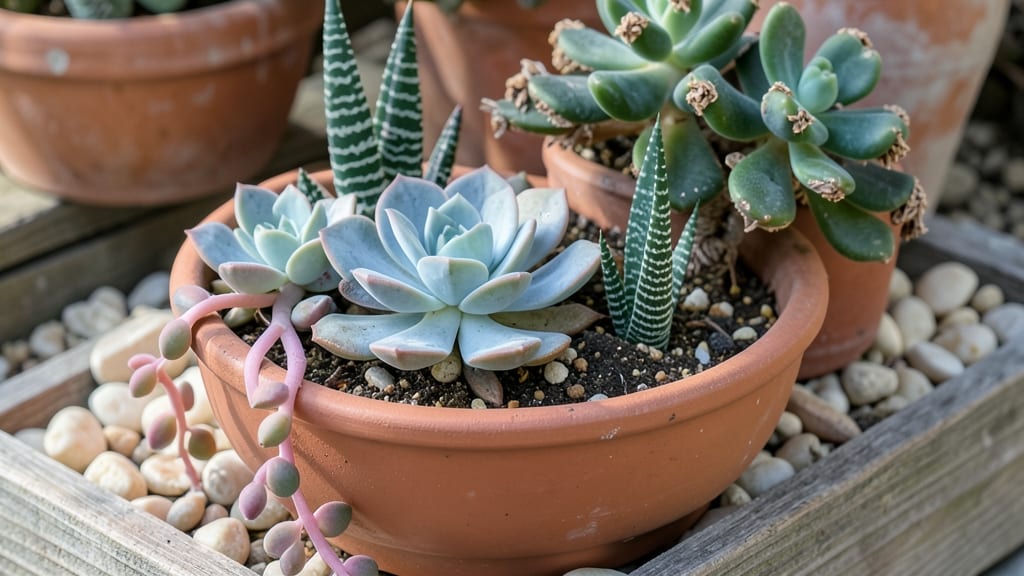
Indoor succulent gardens turn tiny corners into vibrant green escapes. 🌿 I’ve transformed my sunroom windowsill into a layered oasis where every plant has its own stage—some sprawling, others stacked like tiny green bookshelves.
The key isn’t just choosing the right plants; it’s arranging them so they feel intentional, not cluttered.
You don’t need a green thumb or a giant space—just a few inches of shelf, a shallow tray, or even a repurposed wooden crate.
Start with 3-5 plants in varying heights, mix textures like fuzzy echeverias with smooth haworthias, and let the soil colors pop (terracotta pots add warmth, white ones keep it crisp).
Light is the real game-changer: most succulents thrive in bright indirect light, but a simple grow bulb works for deeper corners.
What you end up with is a living art piece that needs almost no maintenance—just a quick watering every 2-3 weeks and the occasional dust wipe. The air stays fresher, your space feels alive, and you’ll find yourself rearranging them just to watch the light play across their leaves.
Here’s how to make it happen without overcomplicating things.
Works for apartments, offices, or even bathroom windowsills—just swap out plants for drought-tolerant varieties if humidity runs high. The best part? Every time you add a new one, it feels like a tiny celebration. Let’s get those layers looking intentional!
📚 In This Guide
- What you need
- Instructions
- Tips and common mistakes
- Wrapping up and next steps
What you need
- ● Succulents: 5–10 small to medium-sized varieties (e.g., Haworthia, Echeveria, or Sedum).
- ● Containers: 1–3 shallow, well-draining pots (terracotta or ceramic) with drainage holes. Size tip: Choose pots 1–2 inches larger than the root ball.
- ● Potting Mix: 1–2 bags of cactus/succulent soil mix (avoid regular garden soil—it retains too much moisture!).
- ● Gravel or Perlite: 1 small bag (for drainage layer at the bottom of pots).
- ● Watering Can: 1 with a narrow spout (to avoid overwatering).
- ● Trowel or Small Shovel: 1 for planting and repotting.
- ● Spray Bottle: 1 (for misting if humidity is low).
- ● Decorative Stones: Pebbles or moss for aesthetic appeal.
- ● Plant Labels: Small tags or chalkboard markers to track varieties.
- ● Grow Lights: LED full-spectrum lights (if natural light is limited).
- ● Fertilizer: Balanced, water-soluble fertilizer (diluted to half-strength).
- ● Humidity Tray: For tropical succulents like Haworthia.
Step-by-step instructions for creating indoor succulent gardens
Transform your space with a thriving succulent oasis using these precise, plant-friendly techniques.
🪴 Step 1: Select and Prepare Your Containers
Choose shallow, wide containers with drainage holes—succulents despise soggy roots. I prefer terracotta pots because they breathe, but any ceramic or plastic with holes works. For a layered look, stack pots of varying sizes from tall in the back to short in front. Clean containers thoroughly with soapy water to remove any residue that could harm delicate roots.
Line the bottom of each pot with ½ inch of gravel or pumice to create a drainage layer. This prevents soil from clogging the holes while still allowing excess water to escape. If using stacked pots, ensure each level has its own drainage system—don’t rely on the pot below to handle water runoff.
🌱 Step 2: Assemble the Perfect Succulent Soil Mix
Succulents need fast-draining soil to thrive. Combine 50% potting mix, 30% perlite, and 20% coarse sand (or pumice) for ideal aeration. Avoid garden soil—it compacts and holds too much moisture. Fill each container to within 1 inch of the rim, leaving room for watering without overflow.
Gently press the mix down to remove air pockets, but don’t compact it. The soil should feel firm enough to hold plants upright but still allow roots to penetrate easily. For a layered garden, use the same mix in each pot to maintain consistency in drainage and nutrient levels.
☀️ Step 3: Arrange Succulents for Visual Harmony
Start with the tallest varieties in the back, gradually placing shorter ones toward the front. Group plants with similar water needs together—this prevents over- or under-watering. I like to create a "spiller-thriller-filler" effect: tall, dramatic plants (like snake plants) as thrillers, trailing varieties (like string of pearls) as spillers, and rounded succulents (like echeverias) as fillers.
Space plants 2-3 inches apart to allow airflow and prevent rot. Press each plant lightly into the soil, ensuring the base sits just below the soil line. Avoid burying the stem—succulents store water in their leaves, and buried stems can rot. Water lightly after planting to settle the soil around the roots.
💧 Step 4: Establish a Watering Routine
Wait 3-5 days before watering new plants to reduce transplant shock. Succulents need water only when the soil is completely dry—stick your finger 1 inch deep into the soil. If it feels dry, water thoroughly until it drains from the bottom. Discard any excess water in the saucer to prevent root rot.
Water in the morning so excess moisture evaporates during the day. I use the "soak and dry" method: water deeply until it runs out the drainage holes, then wait until the soil is bone-dry before watering again. Overwatering is the #1 killer of indoor succulents—better to underwater slightly than drown them.
✂️ Step 5: Maintain Light and Prune for Growth
Place your garden in the brightest spot possible—succulents need 4-6 hours of direct sunlight daily. A south-facing window is ideal, but if light is limited, supplement with a grow light for 12-14 hours per day. Yellowing leaves or stretched growth mean your plants need more light.
Trim leggy stems by pinching back overgrown sections with clean scissors. Remove any dead or dying leaves immediately to prevent pests. Every 2-3 years, repot succulents if they’ve outgrown their containers, refreshing the soil mix to replenish nutrients. Rotate the pots occasionally so all sides get even light exposure.
Tips & tricks for perfect indoor succulent gardens
Creating a layered succulent garden is all about precision and patience—here's how to elevate your setup from basic to breathtaking.
Container Selection Wisdom: Terracotta pots are my go-to because they allow moisture to evaporate through their porous walls, which mimics the dry conditions succulents love. For stacked arrangements, use pots with feet to prevent water pooling between layers—this keeps roots dry and healthy. If you're using plastic containers, ensure they have multiple drainage holes drilled in the bottom, not just one central hole.
Soil Mix Pro Tip: The 50-30-20 ratio of potting mix, perlite, and coarse sand is non-negotiable for succulent health. I add a handful of worm castings to this mix for extra nutrients without compromising drainage. When pressing the soil mix into pots, aim for "firm but fluffy"—it should hold its shape when gently squeezed but still allow your finger to press in about ½ inch without resistance.
Light Exposure Strategy: Those 4-6 hours of direct sunlight are crucial for photosynthesis and vibrant colors. If your space lacks natural light, invest in a full-spectrum LED grow light—place it about 6-12 inches above your plants for the recommended 12-14 hours of daily exposure. I notice a dramatic difference in plant health when I rotate my garden every 2-3 weeks to ensure even light distribution on all sides.
Watering Technique: The 3-5 day waiting period before first watering is essential for preventing root rot. After that, I've found that using a spray bottle with room-temperature water gives me better control than pouring from above—it mimics natural rainfall and helps prevent soil compaction. Always water at soil level rather than over the leaves to avoid fungal issues.
Pro Tips for Indoor Succulent Gardens
- Creating a layered succulent garden is all about precision and patience—here's how to elevate your setup from basic to breathtaking.
- Container Selection Wisdom: Terracotta pots are my go-to because they allow moisture to evaporate through their porous walls, which mimics the dry conditions succulents love.
- Soil Mix Pro Tip: The 50-30-20 ratio of potting mix, perlite, and coarse sand is non-negotiable for succulent health.
Frequently asked questions
Got questions about creating your own indoor succulent garden? You’re not alone! Here are some of the most common queries—plus quick, practical answers to help you grow with confidence.
How much sunlight do indoor succulents really need?
Succulents thrive on bright, indirect light—think 4–6 hours daily. South or west-facing windows are ideal, but a sunny windowsill isn’t always enough. If your space lacks natural light, supplement with a grow light (12–16 hours/day) to prevent leggy growth. Rotate pots weekly for even exposure!
How often should I water my indoor succulent garden?
Water only when the soil is completely dry—usually every 2–3 weeks (less in winter). Stick your finger 1–2 inches deep; if dry, water thoroughly until it drains from the bottom. Overwatering is the #1 killer—use pots with drainage holes and a well-draining soil mix (like cactus/succulent blend) to avoid soggy roots.
Can I grow succulents in small apartments without natural light?
Opt for low-light-tolerant varieties like Haworthia or Echeveria ‘Lola’, and pair them with LED grow lights (10–12 inches above plants). Group succulents together to maximize humidity, and choose shallow, wide containers to mimic their natural habitat. Pro tip: A sunny balcony or even a well-lit kitchen counter can work too!
What should I do if my succulents get pests?
Start with mealybugs or aphids? Wipe leaves with a 70% isopropyl alcohol spray or mix 1 tsp mild dish soap with 1 quart water. For scale insects, gently scrape them off with a cotton swab dipped in rubbing alcohol. Prevent pests by avoiding overwatering, isolating new plants for 2 weeks, and keeping your garden clean.
How do I propagate succulents from my indoor garden?
Most succulents propagate easily from leaf or stem cuttings. For leaves: Twist gently (don’t tear) and let callus for 1–2 days. Place on dry soil; roots form in 2–4 weeks. For stems: Snip just below a leaf node, let dry, and plant in soil. No soil? Use water (change weekly) until roots sprout—then transplant! Perfect for expanding your garden for free.
Can I mix succulents with other plants in the same pot?
While possible, succulents need fast-draining soil and minimal moisture, so pair them only with drought-tolerant plants like sedum, sempervivum, or small cacti. Avoid moisture-loving plants (e.g., ferns, calatheas)—they’ll outcompete succulents. If mixing, use a well-draining blend (60% cactus soil, 30% perlite, 10% pumice) and monitor watering closely.
Wrapping up and next steps
Creating an indoor succulent garden is more than just a trend—it’s a rewarding way to bring nature’s beauty into your space with minimal effort! 🌱 Whether you’re a beginner or a seasoned plant parent, these layered oases thrive in tight spots while adding life, color, and a touch of zen to your home.
Start small, experiment with textures, and don’t forget to enjoy the process—your green corner will thank you!
Ready to dive in? Pick your favorite succulents, gather your supplies, and let your creativity grow! 🌿✨