Tools
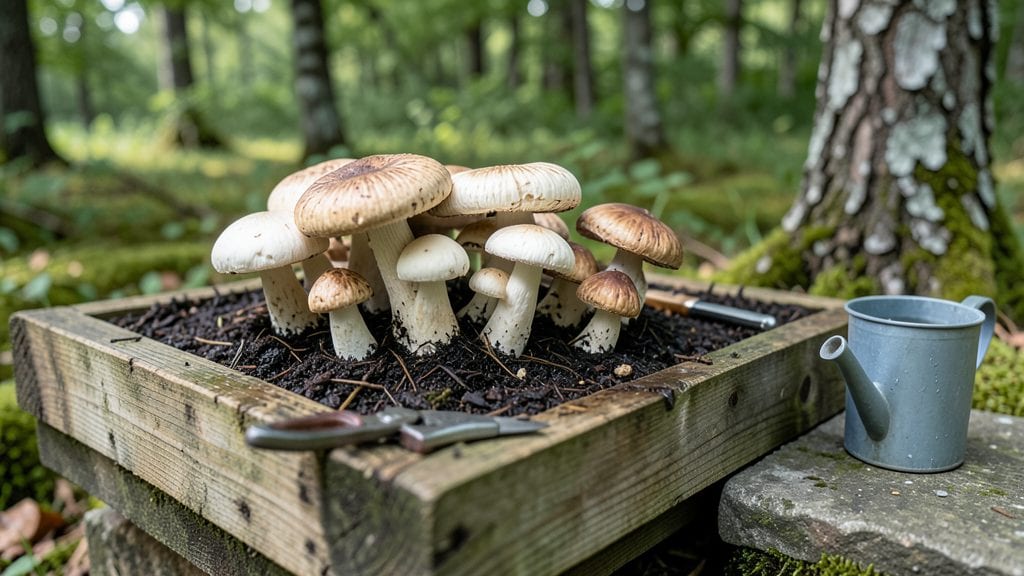
Identifying garden mushrooms starts with a quick look at three key parts: the cap, stem, and gills—each holds clues about whether it’s harmless, helpful, or hazardous. 🌿 I’ve spent years spotting these fungi in my own yard, and the first thing I check is the gill color under the cap.
That tiny detail often separates safe varieties from ones that could ruin your garden—or worse.
The right tools make this quick and foolproof: a magnifying glass for gill patterns, a white plate for spore prints, and a field guide or app to cross-check. Most garden mushrooms you’ll find are either beneficial decomposers or harmless lookalikes, but a few sneaky lookalikes demand extra caution.
I’ve learned to trust my instincts when something doesn’t match the photos—better safe than sorry.
You’ll spot the difference between edible morels and toxic false morels in minutes once you know the cap texture and stem shape. The key is patience: snap a clear photo, note the habitat (wood chips, lawn, or mulch), and compare it to trusted sources.
By the end, you’ll confidently tell which mushrooms belong in your compost pile—and which to leave alone.
This method works for backyard gardens, forests, or even houseplants where mushrooms pop up unexpectedly. No need for fancy gear—just a sharp eye and a little practice. Let’s get started with the quickest way to decode what’s growing in your soil.
What Triggers Mushroom Confusion
Mistaking garden mushrooms—or worse, misidentifying them—often boils down to a few key factors. Whether you're a seasoned gardener or a curious beginner, understanding why these mix-ups happen can help you avoid dangerous mistakes and spot the right varieties with confidence. Let’s break down the science and scenarios behind the confusion.
Many edible garden mushrooms share habitats and physical traits with poisonous species, making visual identification tricky. For example:
- Shady, damp soil: Agaricus bisporus (common button mushroom) thrives in compost-rich beds, but so does the deadly Agaricus xanthodermus (yellow-staining mushroom). The key difference? A. xanthodermus turns yellow when bruised or exposed to ammonia—something many gardeners overlook in the excitement of harvest.
- Wood-decaying species: Pleurotus ostreatus (oyster mushrooms) grow on hardwood logs, but Gyromitra esculenta (false morel) also favors rotting wood. The false morel’s brain-like folds and bitter taste (when raw) are red flags, yet its earthy aroma can fool foragers.
Why it happens: Both toxic and edible mushrooms exploit the same microclimates—moisture, decaying organic matter, and shade. Without a spore print test or chemical reaction (like the ammonia trick), visual cues alone can lead to dangerous assumptions.
Mushrooms aren’t static; their appearance changes with season and location. A mushroom safe to eat in one region might be a local hazard elsewhere due to:
- Climate shifts: In cooler climates, Morchella esculenta (true morels) might develop deeper ridges, while in warmer zones, they could appear smoother. A gardener in Oregon might recognize a morel differently than one in Texas.
- Soil composition: Calcium-rich soil can alter the color of Lactarius mushrooms (milk caps), turning them from creamy white to pale pink. This subtle change might make an edible variety look like its toxic cousin, Lactarius torminosus.
Why it happens: Mycorrhizal networks (fungal root partnerships) adapt to local flora and weather. A mushroom’s "normal" look in one garden could be a warning sign in another. Without regional guides or expert verification, gardeners risk relying on outdated or generic field manuals.
Some mushrooms reveal their identity only through chemical tests or culinary reactions. Skipping these steps is a common pitfall:
- Iron sulfate test: Dabbing a mushroom with iron sulfate can turn its flesh blue or black—a telltale sign of Boletaceae family members (like Boletus edulis). But if you’re harvesting in the wild or garden without this tool, you might assume a safe bolete is actually Boletus satanas (the "devil’s bolete"), which causes severe poisoning.
- Alkaline reactions: Slicing a mushroom and adding a drop of household ammonia can distinguish Amanita muscaria (fly agaric) from edible Amanita pantherina. Without this test, their similar white gills and red caps make them nearly identical.
Why it happens: Many gardeners prioritize speed over safety, especially when mushrooms are abundant. Relying solely on color or shape ignores the biochemical quirks that separate safe harvests from deadly lookalikes.
Field guides from the 1980s or generic smartphone apps often lack local specificity or updated taxonomy. For example:
- Misleading illustrations: Older guides might show Agaricus arvensis (horse mushroom) with a uniform cap, but in reality, its color can range from tan to deep brown—blurring the line with Agaricus silvaticus, which can cause gastrointestinal distress.
- Lack of spore print details: A critical ID tool (like white spores for Agaricus vs. pink spores for Entoloma) is often omitted in quick-reference charts.
Why it happens: Fungal classification evolves with DNA analysis, but many resources lag behind. A guide that called Psathyrella velutina "safe" in 2010 now lists it as potentially toxic due to new research. Without access to peer-reviewed updates, gardeners risk acting on obsolete advice.
Actionable takeaway: Combine visual checks with environmental context, chemical tests, and regional expertise. When in doubt, consult a mycologist or use a spore print kit—your garden’s safety (and your dinner) depend on it.
Fix Common Mushroom Misidentifications
Misidentifying garden mushrooms can turn a thrilling foraging adventure into a dangerous gamble—or worse, a wasted harvest. But don’t worry! With the right fixes and prevention strategies, you’ll confidently tell your morels from your mushrooms and avoid costly (or harmful) mistakes.
Below, we break down common issues and how to solve them, plus tips to keep your garden safe and productive.
If you’re staring at a mushroom wondering, “Is this edible?”, follow this 3-step check before proceeding:
- 📸 Snap a Photo & Compare - Take clear images of the cap, stem, gills, and base from multiple angles. Use apps like iNaturalist or PictureThis to cross-reference with verified databases. - Pro Tip: 💡 Avoid relying solely on color—some toxic mushrooms mimic edible ones almost perfectly.
Focus on shape, texture, and growth patterns.
- 🧪 Test for Bitter or Metallic Taste (If Safe) - Some mushrooms (like morels) are safe to taste a tiny piece raw, but never taste wild mushrooms unless you’re 100% certain—many toxic species (e.g., deadly galerina) have no taste. - For cooked samples, try the "vinegar test": Soak a slice in vinegar for 10–15 minutes.
If it turns red or pink, it could be a false morel (toxic).
- 📞 Consult an Expert
- Post photos in local foraging groups (Facebook, Reddit) or contact a mycologist or extension office. Many regions offer free mushroom ID services—use them!
Even experienced foragers misidentify mushrooms. Here’s how to stop mistakes before they happen:
| Common Mistake | Solution | Prevention Tip |
|---|---|---|
| Ignoring Habitat | Toxic mushrooms (e.g., jack-o’-lantern) grow near oak trees; morels prefer disturbed soil. | 🌳 Note where you find mushrooms—log details in a notebook or app. |
| Overlooking Spores | Some edible mushrooms (like oyster) release black spores; toxic ones (e.g., gyromitra) have yellow-brown powder. | 🔍 Rub the gills on white paper—spore print color is a dead giveaway. |
| Assuming All White Gills Are Safe | Amanita (death cap) has white gills but is deadly. Cortinarius (webcaps) can cause kidney failure. | ❌ Never eat a mushroom with white gills unless confirmed edible. |
| Skipping the Age Check | Young gyromitra (false morel) looks edible, but as it ages, it becomes highly toxic. | ⏳ Harvest only young, firm specimens—avoid wrinkled or slimy caps. |
| Foraging in Contaminated Areas | Mushrooms near roads, pesticides, or industrial sites may absorb toxins. | 🚫 Stick to organic, pesticide-free gardens or wild areas far from pollution. |
Panicking won’t help—acting quickly can save a life. Follow these steps:
- 🚑 Seek Medical Help Immediately
- Even if symptoms (nausea, vomiting, dizziness) seem mild, call Poison Control (1-800-222-1222 in the U.S.) or go to the ER. Some toxins (like amanita) take hours to show effects.
- 📦 Save the Mushroom for ID
- Place the entire specimen (not just the cap) in a paper bag (plastic traps moisture and spoils it). Bring it to the hospital—they may need it for testing.
- 💊 Avoid Home Remedies
- Do NOT induce vomiting unless instructed by a doctor. Do NOT drink milk, coffee, or alcohol—these can worsen symptoms.
Once you’ve mastered ID, keep your garden (and stomach) happy with these habits:
- 📅 Start a Mushroom Journal
- Record dates, locations, weather, and photos of every find. Over time, you’ll spot patterns (e.g., “morels only appear after spring rains”).
- 🧪 Invest in a Spore Print Kit
- A simple DIY kit (a glass, tape, and dark paper) lets you test spore color at home—a key ID clue.
- 🌿 Grow Your Own Edible Mushrooms
- If wild foraging feels risky, cultivate known-safe species like oyster, shiitake, or lion’s mane in your garden. No ID guesswork needed!
- 🎓 Take a Mycology Class
- Many community colleges and nature centers offer hands-on mushroom ID workshops. Learn from experts before eating wild finds.
There’s no shame in being cautious—thousands of people eat wild mushrooms safely every year, but one wrong pick can be fatal. If you’re unsure, err on the side of caution. Your next meal can wait! 🍽️💚
(Need a quick ID cheat sheet? Check out our Downloadable Mushroom Guide for side-by-side comparisons!)
Frequently asked questions
What’s the quickest way to tell if a garden mushroom is safe to eat?
Focus on three key features: gill color, cap shape, and habitat. White gills often signal danger (like death caps), while brown or black spores usually mean edible varieties. Always check if it grows on wood (often toxic) or soil (sometimes safe). Never eat any mushroom unless you’re 100% certain—when in doubt, consult a mycologist.
Can I use a spore print to identify garden mushrooms?
Place the cap gill-side down on white paper, cover it with a bowl, and leave it overnight. The spore color reveals key clues: white spores often mean edible varieties (like button mushrooms), while brown or pink spores can indicate toxic species. This simple test takes just hours and eliminates many dangerous lookalikes.
Why do some garden mushrooms appear overnight while others take weeks?
Fast-growing mushrooms (like oyster mushrooms) thrive in warm, moist conditions with abundant organic matter. Slower varieties (such as morels) need specific triggers—like spring rains or disturbed soil—to sprout. The growth speed also depends on the species’ life cycle: some complete their full cycle in days, while others take weeks to mature.
Are all mushrooms that grow in mulch safe to eat?
No—many toxic mushrooms (like jack-o’-lanterns) love mulch piles. Always assume wild mushrooms are dangerous unless you’ve confirmed their identity through multiple sources (photos, spore prints, and expert verification). Even common garden mushrooms can have toxic lookalikes, so never eat anything without absolute certainty.
How do I know if a mushroom is beneficial for my garden?
Beneficial mushrooms (like shiitake or oyster mushrooms) break down organic matter, enrich soil, and attract pollinators. Look for species that grow on decaying wood or compost—these help recycle nutrients. Avoid toxic varieties that can harm plants or pets. If you’re unsure, let them decompose naturally rather than disturbing them.