
Vegetables
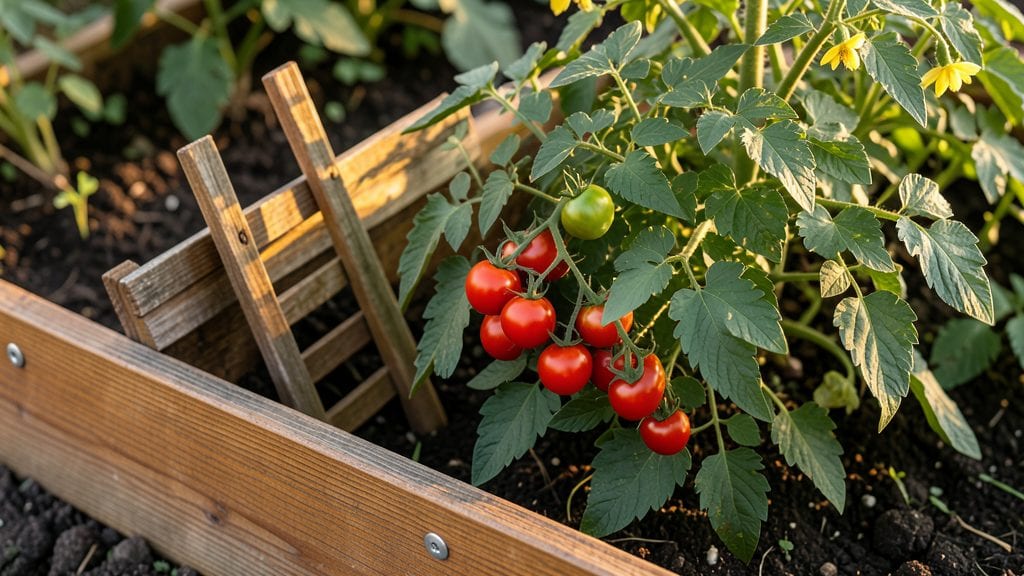
Designing a home vegetable garden that fits your space while packing in maximum harvests changed everything for me last summer. 🌱 I turned a 4x8-foot balcony into a productive mini-farm that fed my family fresh greens, tomatoes, and peppers all season long—without needing a backyard.
The key was thinking vertically, using every inch of space, and choosing plants that naturally support each other.
You don’t need fancy tools or expensive beds to get started. A few 5-gallon containers, some 1x4-foot raised beds, and a simple trellis system can handle most common vegetables. My setup cost under $50 and took less than 2 hours to assemble.
The best part? You can tweak it for your space—whether that’s a sunny windowsill, a narrow side yard, or even a rooftop deck.
By the time summer rolled around, I was harvesting three times what I’d grown in my previous in-ground plot. Cherry tomatoes spilled over the trellis, basil thrived next to the peppers, and the carrots grew perfectly straight in their deep containers.
The garden looked as good as it tasted, with neat rows and vibrant colors that made my neighbors ask for tours.
This approach works for any space, from urban apartments to suburban backyards. Whether you’re a first-time gardener or looking to squeeze more out of your current plot, these layouts prove you don’t need acres to grow a bounty. Let’s get your small space ready for a big harvest!
📚 In This Guide
- What you need
- Instructions
- Tips and common mistakes
- Wrapping up and next steps
What you need
- ● Garden Space: Containers (5–10 gallon pots, grow bags, or window boxes) – at least 3–5 per plant
- ● Raised beds (4’x8’ or smaller) – 12–18” deep for most veggies
- ● Vertical planters (wall pockets, trellises) – for climbing plants like beans or cucumbers
- ● Soil & Amendments: High-quality potting mix or garden soil – sterilized to avoid pests
- ● Compost or organic fertilizer – 1–2 cups per planting hole
- ○ Slow-release fertilizer (optional) – follow package instructions
- ● Seeds or Seedlings: Compact varieties (e.g., ‘Patio’ tomatoes, ‘Bush’ beans, ‘Thumbelina’ carrots)
- ○ Seed starting kit (if germinating indoors) – seed trays, heat mat (optional)
- ● Tools: Trowel or small hand shovel
- ● Pruners (for harvesting/training plants)
- ● Watering can or hose with gentle spray nozzle
- ● Measuring tape or ruler – for spacing plants
- ● Drip irrigation system – saves water and time
- ● Mulch (straw or shredded leaves) – retains moisture and suppresses weeds
- ● Plant markers or labels – keep track of what’s growing
- ● Garden gloves – protect your hands from dirt and thorns
- ○ Sunlight meter (optional) – checks light exposure for optimal growth
Instructions: designing a high-yield small-space vegetable garden
Here’s how to transform limited square footage into a thriving, efficient growing system.
🪴 Step 1: Measure and Divide Your Space Strategically
Start by mapping your available area—even a 4’x8’ footprint can produce a bounty if planned intentionally. I divide mine into 12-inch-wide raised beds (the ideal width for easy reach) or vertical pockets for climbers. Use a tape measure to mark 3-foot-wide rows for full sun exposure, ensuring no plant is shaded by taller neighbors.
Sketch a rough layout on paper first. Tall plants like pole beans or tomatoes go at the north edge to avoid blocking shorter crops. For 4 servings, aim for 2-3 square feet per person—this ensures enough space for greens, roots, and fruiting plants without overcrowding. Label each section to track what goes where.
🌱 Step 2: Layer Plants by Growth Habit and Height
Use the vertical stacking method to maximize yield: place fast-maturing crops (like radishes or lettuce) in the front, medium-height plants (such as bush beans or carrots) in the middle, and tall vining plants (like cucumbers or peas) at the back. This prevents shading and makes harvesting easier.
I interplant companion crops—for example, basil under tomatoes to deter pests or carrots between onions to repel flies. Space root vegetables (like beets or turnips) 2 inches apart, while leafy greens (spinach, kale) can sit 4-6 inches apart. Avoid planting the same family (like all brassicas) in the same spot to prevent soil-borne diseases.
✂️ Step 3: Use Square Foot Gardening for Precision
Divide your beds into a grid system (1-foot squares) and fill each with the right number of plants based on their mature size. A 1-square-foot section holds 4 onions, 9 radishes, or 1 tomato plant. This eliminates wasted space and makes rotations effortless—just shift your grid next season.
For 4 servings, dedicate 1 square foot to greens, 1 to roots, and 1 to fruiting plants (like peppers or eggplants). Use straw bales or hanging pockets for extra plants if space is ultra-limited. The key is density without competition—thin seedlings early to avoid overcrowding.
☀️ Step 4: Optimize Sun and Water Access
Ensure every plant gets at least 6 hours of direct sun—move containers or adjust bed orientation if shadows appear. I group sun-lovers (tomatoes, peppers) together and place shade-tolerant crops (like lettuce or spinach) near the edges. Use drip irrigation or soaker hoses to deliver water at the base, reducing waste and disease.
Mulch with 2-3 inches of straw or shredded leaves to retain moisture and suppress weeds. Check soil moisture daily in peak heat—if the top 1 inch feels dry, water deeply. Avoid overhead sprinklers, which spread fungal spores. A self-watering system (like a DIY reservoir) keeps plants hydrated without daily checks.
🌿 Step 5: Maintain and Rotate for Long-Term Success
Harvest regularly to encourage new growth—picking outer leaves of lettuce or side shoots of green onions keeps plants productive. Fertilize lightly with compost tea or balanced organic fertilizer every 4-6 weeks to replenish nutrients. Watch for pests early: handpick tomato hornworms or spray neem oil on aphids before they spread.
At season’s end, rotate crops—never plant the same family in the same spot two years in a row. For example, swap tomatoes (nightshades) with beans (legumes) next year. This breaks pest and disease cycles while improving soil health. Store seeds from your best performers for next season’s compact garden.
Tips & tricks for perfect small-space vegetable gardens
Here's how to turn limited space into a thriving garden without sacrificing productivity.
Precision Planting: In Step 3, when using the square foot grid system, I've found that marking your 1-foot squares with landscape paint or chalk makes planting and harvesting effortless. This visual guide ensures you don't accidentally overcrowd your 4 onions or 9 radishes per square foot. For even more precision, use a ruler to create consistent spacing—this prevents competition for nutrients and sunlight that can stunt growth.
Vertical Space Hacks: Don't overlook vertical gardening in Step 1. I've successfully grown pole beans and cucumbers on trellises that reach 6 feet tall, producing 3-4 times more than ground-level plants in the same footprint. Use sturdy stakes or A-frame trellises for vining plants, and consider pocket planters for herbs and small greens on walls or fences. This creates a three-dimensional growing system that maximizes every inch.
Companion Planting Secrets: The companion planting suggestions in Step 2 work wonders, but here's the pro tip: plant your basil at the base of tomato plants 2-3 weeks after transplanting. This gives the tomatoes time to establish roots before the basil starts competing for nutrients. For carrots between onions, space them 1 inch apart—the onions deter carrot flies while the carrots' deep roots break up compacted soil.
Watering Wisdom: When checking soil moisture in Step 4, I've learned to test at two different depths: the top 1 inch (for daily watering needs) and 3-4 inches down (to check for deep hydration). In peak heat, I water in the early morning to prevent evaporation and fungal diseases. For containers, I've found that adding a layer of hydroponic clay pebbles at the bottom creates a water reservoir that keeps roots consistently moist without overwatering.
Pro Tips for Home Vegetable Gardens
- Here's how to turn limited space into a thriving garden without sacrificing productivity.
- Precision Planting: In Step 3, when using the square foot grid system, I've found that marking your 1-foot squares with landscape paint or chalk makes planting and harvesting effortless.
- Vertical Space Hacks: Don't overlook vertical gardening in Step 1.
Frequently asked questions
Got questions about starting or optimizing your home vegetable garden?
Here are answers to the most common concerns—whether you're a beginner or a space-challenged gardener looking to maximize your harvest!
What’s the best layout for a small vegetable garden?
Square-foot gardening or vertical growing are top choices! Square-foot gardens divide space into 1-foot grids, letting you plant 16 veggies per square (e.g., 16 radishes, 1 tomato). Vertical gardens (trellises, hanging pockets) save floor space—ideal for herbs, peas, or cucumbers. Pro tip: Mix fast growers (lettuce) with slow ones (tomatoes) to avoid overcrowding.
When is the best time to start planting?
Timing depends on your climate and veggie type. Cool-season crops (spinach, kale) thrive in early spring or fall, while warm-season veggies (peppers, beans) need soil temps above 60°F. Start seeds indoors 6–8 weeks before the last frost, or direct-sow after danger of frost has passed. Check your local frost dates!
Can I grow a vegetable garden without spending much money?
Use free/cheap materials like repurposed containers (buckets, pallets), compost from kitchen scraps, and free seeds from neighbors or seed swaps. Skip pricey soil—mix garden soil with compost or aged manure. Even a sunny windowsill with herbs (basil, parsley) can yield fresh, free food!
How do I keep pests away without chemicals?
Prevention is key! Use row covers to block pests, plant companion crops (marigolds repel nematodes), or introduce beneficial insects (ladybugs eat aphids). Handpick larger pests (like tomato hornworms) early in the day. Bonus: Crushed eggshells deter slugs, and a spray of water can knock off soft-bodied bugs.
What are the easiest vegetables to grow for beginners?
Start with low-maintenance, fast-growing veggies: leafy greens (lettuce, spinach), radishes (30 days!), green beans, cherry tomatoes, and bush cucumbers. Herbs like basil and chives are also forgiving. These thrive in small spaces and forgive occasional neglect.
Wrapping up and next steps
Starting a home vegetable garden in small spaces isn’t just possible—it’s rewarding! With the right compact layouts, you can grow a surprising amount of fresh produce, even on a balcony or patio.
Whether you’re a beginner or a seasoned gardener, every seed planted is a step toward healthier meals and a greener lifestyle.
Ready to dig in? Start small—pick one or two easy crops like herbs, lettuce, or cherry tomatoes—and watch your confidence (and harvest!) grow. Happy gardening! 🌱✨