
Pests
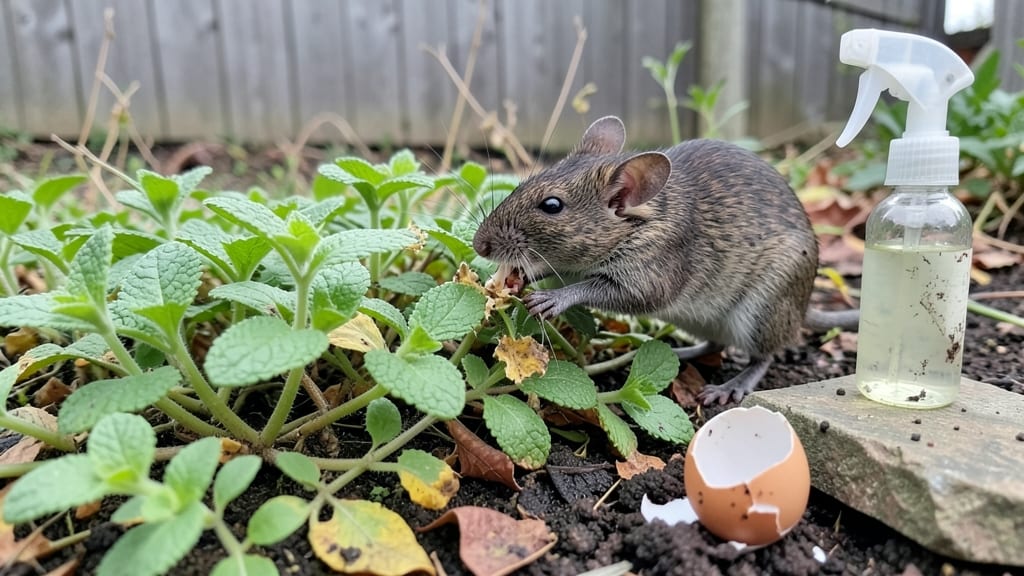
"Rats in your garden mean gnawed roots, stolen harvests, and chewed-up mulch—until you learn these ultrasonic repeller secrets. I’ve had my share of midnight raids on my raised beds, and what worked finally gave me peace of mind without poison or traps.
The key isn’t just scaring them off but making your garden feel like a no-go zone.
Ultrasonic repellers emit high-frequency sounds that rats hate, but they’re just one tool. I pair them with simple fixes like sealing trash cans, removing fallen fruit, and keeping compost piles covered.
Rats aren’t picky—they’ll eat anything, so you’ve got to take away their buffet. Once you combine these methods, you’ll see fewer droppings and more intact plants in just a few weeks.
What you’ll end up with is a garden where your tomatoes stay whole, your carrots grow straight, and your morning coffee isn’t interrupted by rustling in the mulch. The ultrasonic units run quietly, so your neighbors won’t complain, and the rats?
They’ll move on to easier pickings. Here’s how to set it up right the first time.
This works for backyard gardens, container setups, and even community plots—just adjust the placement based on where you’ve seen the most damage. If rats keep coming back after a month, it’s time to call in a pro for a deeper look.
But for most gardens, these tricks work like a charm.
The Hidden Triggers Inviting Rats
Rats don’t just wander into your garden by accident—they’re drawn by a mix of food, shelter, and human habits. Understanding these key attractants is the first step to outsmarting them.
Below, we break down the science-backed reasons rats take up residence in your outdoor space, so you can address the root causes before they become a full-blown infestation.
Rats are omnivorous opportunists, meaning they’ll eat almost anything—especially if it’s easy to access. In gardens, they’re drawn to:
- Fallen fruits and vegetables: Overripe tomatoes, squash, or dropped apples are like an all-you-can-eat buffet. Rats have a keen sense of smell and can detect food from up to 100 feet away.
- Pet food left outdoors: Dry kibble, wet food, or even birdseed spills create a constant food supply. A single rat can eat up to 15 times its body weight daily.
- Compost piles: Decaying organic matter releases odors that rats can’t resist. Even well-maintained compost heaps can attract them if they’re not properly contained.
- Garbage and recycling bins: Loose lids or overflowing trash provide easy meals. Rats are nocturnal foragers, so they’ll raid bins when you’re asleep.
Pro Tip: 💡 Rats leave scent trails to mark food sources. If you’ve had a rat problem, even after removing food, they may return because the scent lingers.
Rats need three things to thrive: food, water, and shelter. In gardens, they exploit:
- Dense vegetation: Tall grasses, ivy, or untrimmed shrubs provide cover for nesting and traveling. Rats prefer spots with low human traffic.
- Gaps in fences or walls: A hole as small as ½ inch wide is enough for a rat to squeeze through. They’ll chew through wood, plastic, or even thin metal to create entry points.
- Piles of debris: Stacked firewood, mulch heaps, or stored garden tools create perfect hiding spots. Rats nest in soft materials like straw, leaves, or shredded paper.
- Underground burrows: If your garden has loose soil, rats may dig tunnels near foundations, sheds, or flower beds. These burrows can extend up to 50 feet and house multiple rats.
Fun Fact: 🐀 Rats are crepuscular (most active at dawn and dusk), so they’ll use shelter to hide during the day and emerge when you’re least likely to notice.
Rats need about 2 ounces of water per day, but they’ll drink more if food is high in salt or protein. In gardens, they seek water from:
- Leaky hoses or irrigation systems: A slow drip is enough to attract rats. They’ll follow the sound of running water.
- Pet water bowls: Even a small amount of standing water in a bowl left outside can become a gathering spot.
- Condensation or dew: Rats will gnaw on plants with high moisture content (like corn or lettuce) to hydrate.
- Pools of standing water: Birdbaths, clogged gutters, or shallow containers can become rat watering holes.
Warning: ⚠️ Rats can survive longer without food than without water. If they find a reliable source, they’ll stay—and bring their families.
Sometimes, we create the perfect rat paradise without realizing it. Common mistakes include:
- Leaving tools or equipment outside: Rats nest in old pots, garden gloves, or even cardboard boxes. They’ll shred these materials for comfort.
- Ignoring pet waste: Dog or cat feces in the yard can attract rats due to the urine and blood in them.
- Planting rat-friendly crops: Corn, squash, and citrus fruits are top targets. Rats also love sunflower seeds and peanuts if spilled.
- Neglecting yard maintenance: Overgrown areas, fallen branches, and unsecured trash cans give rats both food and cover.
Pro Tip: 🎯 Rats are highly intelligent and can remember solutions to problems (like how to open a trash bin lid). If they succeed once, they’ll return.
Now that you know why rats are crashing your garden party, the next step is cutting off their access—starting with food, shelter, and water. Stay tuned for science-backed repellent strategies that actually work.
Practical Ways to Outsmart Garden Rats
Now that you understand why rats are invading your garden, it’s time to take action! The good news? You don’t need harsh chemicals or expensive traps to reclaim your space.
With a mix of deterrents, exclusion tactics, and natural repellents, you can send these rodents packing—and keep them away for good. Below, we’ll break down cause-specific solutions so you can tackle the problem head-on, plus prevention tips to stop future invasions.
Rats squeeze through gaps as small as a quarter—so sealing off access is your first line of defense.
🔧 Step-by-Step Exclusion
- Inspect for Gaps 🕵️♂️
- Walk your property at dusk (when rats are most active) and check for:
- Holes in fences, sheds, or woodpiles.
- Cracks in foundation walls or garage doors.
- Loose vents or gaps around pipes.
- Walk your property at dusk (when rats are most active) and check for:
- Seal with Steel or Concrete 🛡️
- Rats chew through wood and plastic, so use:
- Hardware cloth (1/4-inch mesh) for vents and small openings.
- Cement or metal flashing for larger holes.
- Door sweeps on sheds or garages to block low entry.
- Rats chew through wood and plastic, so use:
- Secure Trash & Compost 🗑️🚫
- Use rat-proof bins with locking lids (rats can open loose bins in minutes!).
- Keep compost bins far from your house (at least 100 feet away) and use a tight-fitting lid.
- Trim Overgrown Vegetation ⏳
- Rats use bushes and vines to climb and nest. Trim back:
- Ivy, grapevines, or thick shrubs near structures.
- Tree branches hanging over roofs or decks.
- Rats use bushes and vines to climb and nest. Trim back:
Rats won’t stick around if their buffet is gone. Eliminate temptations with these no-fuss strategies:
📋 Food Elimination Checklist
| Problem Area | Solution | Pro Tip 💡 |
|---|---|---|
| Pet food left outside | Feed pets indoors or use automatic feeders with latches. | Store extra kibble in airtight metal containers. |
| Fallen fruit/veggies | Pick up daily and compost far from the house. | Sprinkle dried citrus peels (rats hate the smell!). |
| Bird feeders | Use squirrel-proof feeders or switch to suet cakes (less appealing to rats). | Place feeders 10+ feet from trees where rats can jump. |
| Standing water | Fix leaky hoses, clogged gutters, or add a dehumidifier to basements. | Rats need constant water—remove puddles fast! |
Chemical poisons are dangerous for pets and kids. Instead, try these safe, effective alternatives:
🌿 Top Repellent Methods
- Ultrasonic Repellers 🔊
- How it works: Emits high-frequency sounds (inaudible to humans) that disrupt rats’ nervous systems.
- Best for: Gardens, sheds, and patios.
- Pro Tip: Place units near entry points and replace batteries monthly.
- Peppermint Oil Spray 🌿
- Recipe: Mix 10 drops peppermint oil + 1 cup water in a spray bottle. Spray around perimeter, holes, and nesting areas.
- Why it works: Rats detest the scent—reapply every 2–3 days or after rain.
- Predator Urine 🐺
- How to use: Sprinkle fox or coyote urine granules near rat hotspots (available at garden stores).
- Bonus: Works for squirrels and rabbits too!
- Ammonia-Soaked Rags 🧻
- Soak rags in undiluted ammonia, place in mesh bags, and hang near entry points.
- Warning: Reapply every 3–4 days (smell fades fast).
If rats are already nesting, traps can remove them quickly—but only use humane options:
🐀 Best Humane Traps
- Live Catch Traps (e.g., Havahart)
- Bait: Peanut butter, chocolate, or dried fruit.
- How to set:
- Place along walls (rats follow edges).
- Check twice daily and release far from your home (5+ miles away).
- Electronic Traps (for heavy infestations)
- How it works: Kills rats instantly with a low-voltage shock.
- Best for: Sheds or garages where live traps aren’t practical.
Once you’ve evicted the rats, keep them out with these low-maintenance habits:
✅ Monthly Inspections 🔍 – Check for new gaps or nesting signs (droppings, gnaw marks). ✅ Store Firewood 🪵 – Keep stacks elevated and 20+ feet from your house. ✅ Mow High 🌱 – Tall grass gives rats cover; keep lawns short and tidy. ✅ Use Gravel 🪨 – Sprinkle gravel around garden beds—rats hate the texture underfoot! ✅ Plant Rat-Repelling Herbs 🌿 – Grow mint, rosemary, or lavender near entry points.
Rats are opportunistic—if they sense weakness, they’ll return. Combine 2–3 methods (e.g., seal entry points + use peppermint spray + set traps) for the best results. Within 2–4 weeks, you’ll see a dramatic drop in activity.
Ready to reclaim your garden? Start with one fix today—your future self (and your veggies) will thank you! 🚀
Frequently asked questions
How long does it take to see results after using repellents?
With consistent application, you’ll typically notice fewer signs of rats—like droppings or gnaw marks—in 1-2 weeks. For ultrasonic devices, it may take 3-5 days for rats to avoid treated areas. Combine repellents with sealing entry points for faster results.
Are ultrasonic repellers safe for pets and plants?
Yes! Ultrasonic devices emit high-frequency sounds that only rodents hear. They’re completely safe for pets, wildlife, and plants. Just place units where pets can’t chew the cords or batteries.
What’s the best bait for humane rat traps?
Peanut butter works wonders—rats can’t resist its smell and stickiness. Other effective options include chocolate, dried fruit, or bacon. Avoid meat like hot dogs (attracts other pests too). Check traps twice daily for best results.
Can rats dig under fences or garden beds?
Rats can dig 1-2 feet deep in soft soil. Bury hardware cloth (¼-inch mesh) 12 inches deep around garden perimeters or fence edges. This blocks both digging and climbing.
When should I call a professional?
If you’ve tried exclusion, repellents, and trapping for 4-6 weeks with no improvement, it’s time to call an exterminator. Also seek help if you see multiple rats daily or evidence of nesting inside structures.