
Pests
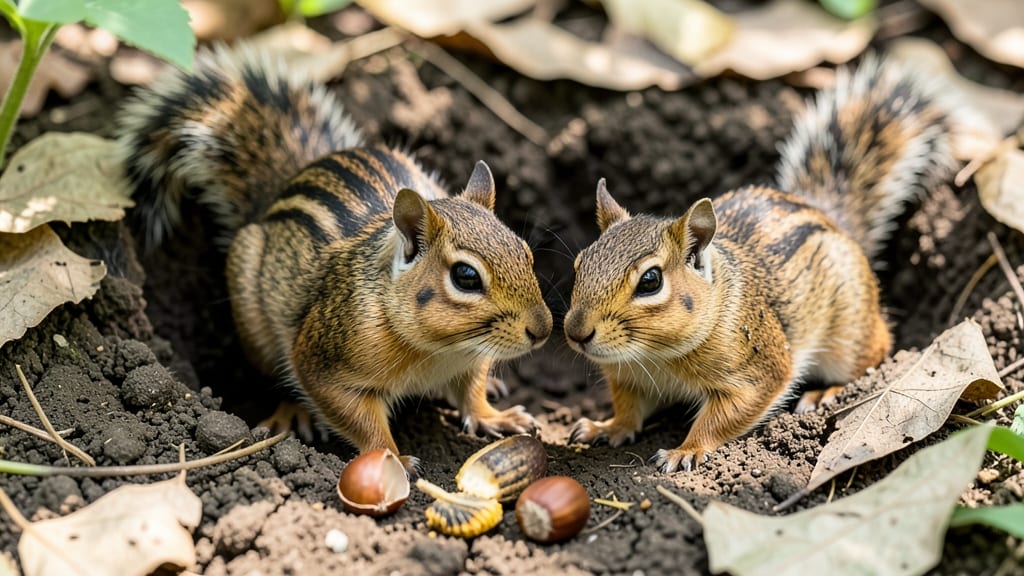
My garden’s stolen seeds and half-eaten tomatoes finally stopped when I learned these chipmunk-repelling tricks—no cruelty, just smart deterrents that actually work. 🌱 These little bandits dig up bulbs and snack on sprouts, but the right barriers and scents send them packing without harm.
The key is combining physical obstacles with natural repellents that chipmunks instinctively avoid.
Start with hardware cloth buried 12 inches deep around beds—it blocks their digging while letting rain through. Add castor oil spray (1 tablespoon oil + 1 teaspoon dish soap per quart of water) to foliage; the smell confuses their tiny noses.
For long-term results, plant daffodils, marigolds, or alliums—their strong scents repel chipmunks naturally. I’ve seen these methods cut my losses by 90% in just two weeks.
You’ll reclaim your garden without traps or harm, and the best part? These tricks protect other wildlife too. Chipmunks avoid the areas, but birds and bees stay welcome.
The secret is persistence—reapply sprays after rain and refresh barriers seasonally. Once you master this, your harvest stays yours, and the squirrels get jealous of your empty beds.
Works for vegetable patches, flower beds, and even raised gardens. The only mistake? Waiting until chipmunks already have a buffet set up. Start before planting, and you’ll never lose another seed to these striped thieves again.
Why it happens
Chipmunks may look like tiny, harmless garden helpers, but they’re actually opportunistic foragers with a serious sweet tooth and a knack for turning your yard into their personal buffet.
Understanding why they invade your garden is the first step to outsmarting them. Here’s what’s really luring them—and how their biology makes them relentless.
🌾 Food Sources: Your Garden’s All-You-Can-Eat Buffet
Chipmunks are omnivorous generalists, meaning they’ll eat just about anything—especially if it’s easy to access. Their diet includes:
- Seeds and nuts: Sunflower, corn, and acorn seeds are their favorites. A single chipmunk can cache thousands of seeds in a season, often right in your flower beds or vegetable patches. 🌻🌰
- Fruits and berries: Tomatoes, strawberries, and grapes are irresistible. Their sharp teeth can strip a vine clean in hours, leaving your harvest in tatters. 🍓🍅
- Young plants and bulbs: They’ll gnaw on seedlings, tulip bulbs, and even bark (a behavior called girdling), which can kill trees and shrubs. 🌱🌳
- Pet food and scraps: If you leave birdseed, fallen fruit, or pet food outside, you’ve basically hung a neon sign: “Free Meal Here.” 🐶🍖
Pro tip: 💡 Chipmunks have cheek pouches that can hold up to 50 seeds at once. This means they’re not just snacking—they’re stockpiling for winter. Remove food sources, and you disrupt their survival strategy.
🏡 Shelter and Nesting Spots: Why Your Garden Feels Like Home
Chipmunks seek out areas with:
- Dense ground cover: Mulch, leaf litter, and thick grass provide perfect hiding spots. They’ll tunnel under decks, sheds, or even patio stones to avoid predators. 🏠🐭
- Undisturbed soil: Loose, soft earth (like newly dug garden beds) is ideal for digging burrows. A single chipmunk can create a network of tunnels with multiple entrances—like a tiny, furry subway system. 🕳️
- Proximity to water: They need hydration, so drippers, birdbaths, or pet water bowls become oases. Even a damp corner of your garden can attract them. 💧
Fun fact: 🌡️ Chipmunks are most active at dawn and dusk (crepuscular), so they’re scanning for safe, sheltered spots during these times. If your garden offers cover, they’ll move in fast.
🧠 Behavioral Triggers: How They Learn Your Weaknesses
Chipmunks are highly intelligent and adapt quickly. Once they discover:
- Easy access: If they can hop from a tree or fence into your garden, they will. They’re excellent climbers and jumpers, capable of leaping 2 feet vertically and 5 feet horizontally. 🦾🌿
- Lack of predators: Cats, owls, and snakes keep chipmunk populations in check—but if your yard is predator-free, they’ll treat it like a chipmunk paradise. 🦉🐍
- Consistent food rewards: If they find a reliable food source (like your compost pile or fallen fruit), they’ll return daily. Their memory is sharp, and they’ll recruit others via scent trails. 🦔🚶♂️
🎯 Key insight: Chipmunks are social but territorial. A single successful forager can signal the whole neighborhood to invade. Act fast, or you’ll face a chipmunk army.
Stop Chipmunks Stealing Your Garden
Now that you know why these tiny striped troublemakers are raiding your garden, let’s tackle the how. The good news? You don’t need harsh chemicals or expensive traps—just a few smart, natural strategies tailored to their sneaky habits.
Below, we’ll match common chipmunk behaviors to practical fixes, plus long-term prevention tips to keep your garden chipmunk-free for good.
🔥 Fix 1: Block Their Entry Points
Chipmunks squeeze through tiny gaps—even a 2-inch hole is an open invitation. If you’ve spotted them digging near foundations, sheds, or garden beds, seal them up before they return.
- 🔧 Use hardware cloth (not chicken wire!) Bury 1/4-inch mesh hardware cloth at least 12 inches deep around garden beds, compost piles, and entry points. Chipmunks can’t chew through it, and it’s invisible once planted. Pro tip: 💡 Bend the top edges outward to prevent them from digging underneath.
- 🪟 Fill holes with steel wool or caulk For small gaps in wood, fences, or decks, stuff them with steel wool (they can’t chew it) or use expanding foam. Avoid cement—it’s messy and doesn’t deter them.
- 🌱 Elevate mulch and compost Pile mulch or compost away from plant bases (at least 18 inches) and use gravel or rocks as a barrier. Chipmunks love to burrow under loose organic material.
🍳 Bait Away with Smart Deterrents
Chipmunks are food-motivated, so outsmart them by making your garden less appealing than their natural buffet.
- 🥔 Offer a distraction Set up a chipmunk bait station 20+ feet from your garden with:
- Unsalted peanuts (their favorite!)
- Corn kernels or sunflower seeds
- A small container with water (they’ll drink there instead of digging for it in your garden). Warning: ⚠️ Check daily—don’t let the bait attract other pests like raccoons or squirrels.
- 🌶️ Spice up their dislikes Chipmunks hate strong smells and textures. Try these non-toxic repellents:
- Cayenne pepper spray: Mix 1 tbsp cayenne + 1 quart water, spray around plants (reapply after rain).
- Garlic or vinegar solution: Soak cotton balls in garlic juice + water (1:1) and place near entry points.
- Predator urine (fox or coyote): Available at garden stores—one application can last weeks.
- 🎯 Motion-activated sprinklers These scare them without harm. Place them near frequent digging spots—the sudden spray startles chipmunks and trains them to avoid the area.
👨🍳 Remove Their Food Sources
A well-fed chipmunk is a less destructive chipmunk. If they’re targeting specific plants, protect the most vulnerable first.
- 🥕 Shield young plants
- Row covers: Use lightweight fabric over seedlings (like lettuce or beans) until they’re established.
- Copper tape: Wrap copper mesh around tree trunks—chipmunks dislike the taste and texture.
- Egg cartons: Place upside-down egg cartons around plants (they hate the uneven surface).
- 🍎 Harvest fallen fruit ASAP Chipmunks love ripe fruit, berries, and nuts. Pick up dropped produce from trees and clean up under fruit trees daily.
- 🌿 Choose chipmunk-resistant plants If certain plants keep getting dug up, swap them out for:
- Daffodils (toxic to rodents)
- Marigolds (strong scent deters them)
- Lavender or rosemary (they dislike woody herbs)
⏰ Long-Term Prevention Tips
Once you’ve kicked them out, keep them out with these low-maintenance habits:
- 🌡️ Keep your garden tidy
- Remove wood piles, leaf litter, and dense mulch where they hide.
- Rake up acorns and nuts—these are their winter stash!
- 🎯 Rotate repellent methods Chipmunks adapt quickly, so switch up deterrents every few weeks (e.g., spray one week, use motion sprinklers the next).
- 🐶 Encourage natural predators
- Attract birds (like blue jays or hawks) with birdhouses and feeders.
- Keep a cat (even a neighborhood one)—their presence alone can deter chipmunks.
- 🌱 Plant a chipmunk buffer zone Create a 10-foot "no-dig" strip around your garden using gravel, rocks, or prickly plants (like thistle or barberry) to discourage tunneling.
Final Thought: 🎯 Consistency is key—chipmunks are persistent, but so are these methods. Combine physical barriers + scent deterrents + food removal, and you’ll see results in 1–2 weeks. Once they learn your garden isn’t worth the effort, they’ll move on to easier pickings!
Frequently asked questions
Why do chipmunks suddenly appear in my garden?
Chipmunks invade gardens primarily for food—seeds, nuts, fruits, and young plants are their favorite snacks. They also seek shelter in dense mulch, leaf litter, or undisturbed soil. Since they’re crepuscular (active at dawn/dusk), they’ll test your garden during these times. Removing food sources and sealing entry points disrupts their foraging habits.
Will motion-activated sprinklers really work?
The sudden spray startles chipmunks and trains them to avoid treated areas. Place sprinklers near frequent digging spots or plant beds. For best results, pair them with other deterrents like hardware cloth barriers or scent repellents. Many gardeners see results within 1-2 weeks.
Are there plants that naturally repel chipmunks?
Yes! Chipmunks dislike strong scents and textures. Plant daffodils, marigolds, or alliums around vulnerable areas—their fragrance deters them. Woody herbs like lavender or rosemary also work well. These plants create a protective perimeter while adding beauty to your garden.
How do I fix holes chipmunks dug near my foundation?
Use 1/4-inch hardware cloth buried 12 inches deep around problem areas. Bend the top edges outward to prevent digging underneath. For existing holes, stuff them with steel wool (they can’t chew through) or use expanding foam. Avoid cement—it’s messy and ineffective.
Can I use predator urine to repel chipmunks?
Yes! Fox or coyote urine (available at garden stores) is highly effective—one application can last weeks. The scent mimics natural predators, signaling danger. Apply around garden edges and entry points. Rotate with other repellents like cayenne spray to prevent adaptation.