
Tools
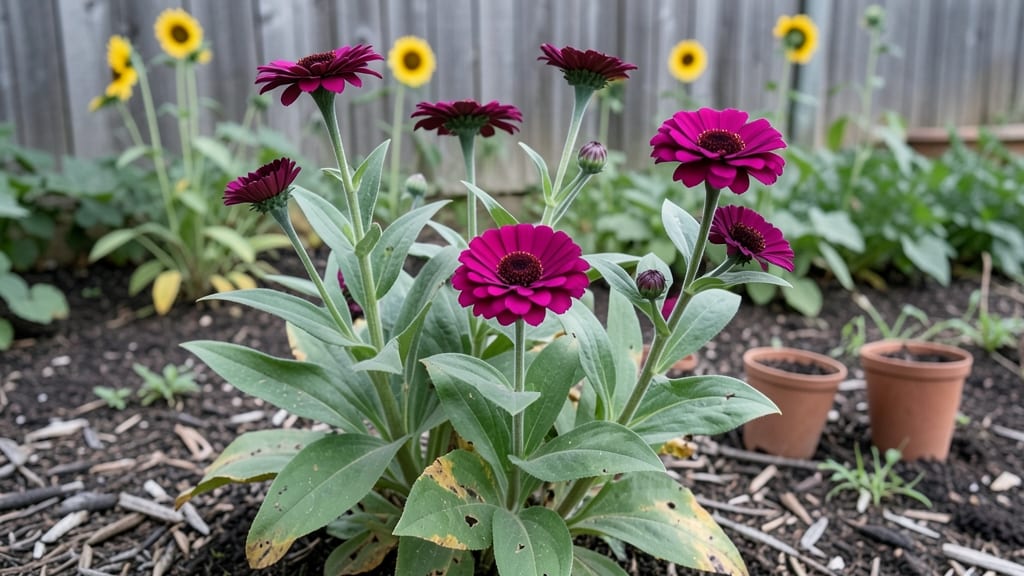
A kindergarten garden grows curiosity as fast as it grows carrots. 🌱 I designed mine after watching my nephew’s eyes light up when he touched a fuzzy lamb’s ear leaf—it’s all about textures, colors, and plants that teach while they thrive.
The key is choosing fast-growing, non-toxic varieties that hold a child’s attention without needing a green thumb.
Start with raised beds (just 12 inches deep) filled with crumbly, nutrient-rich soil—kids can dig right in without bending. Plant sunflowers (they sprout in 7–10 days), strawberries (sweet and easy to pick), and mint (fragrant and great for counting leaves).
Add a bug hotel (a hollow log or pinecone pile) to turn pest control into a science lesson.
By summer, you’ll have a living classroom where kids measure sunflower heights, taste fresh herbs, and learn how roots drink water. The best part? These plants grow fast enough to see progress in weeks, not months. Plus, the sensory experience—crunchy basil, velvety cosmos petals—makes learning stick.
Pro tip: Let them decorate the garden with paint-stick labels or smooth stones marked with their names. It’s not just a garden; it’s a hands-on storybook where every plant has a lesson. Ready to plant some wonder?
📚 In This Guide
- What you need
- Instructions
- Tips and common mistakes
- Wrapping up and next steps
What you need
- ● Plants: Fast-growing, non-toxic options like: Sunflower seeds (50–100 seeds)
- ● Marigold seeds (20–30 seeds)
- ● Basil plants (3–5 starter plants)
- ● Strawberries (5–10 bare-root plants)
- ● Mint (2–3 small pots)
- ● Containers: Large plastic bins (2–3, 12"x12"x6") for group planting
- ● Small pots (10–15, 4"–6" diameter) for individual plants
- ● Soil: Potting mix (2–3 bags, 1–2 cubic feet each)
- ● Tools: Kid-safe trowel (1–2, with soft grip)
- ● Watering can (1, with a gentle spray nozzle)
- ● Glove set (10–15 pairs, small/medium size)
- ● Safety: Child-safe sunscreen (1–2 bottles)
- ○ Bug spray (optional, for outdoor use)
- ● Decorative rocks or pebbles (for drainage and aesthetics)
- ● Painted plant markers (use non-toxic paint)
- ● Sensory tools: Textured gloves, soft brushes, or magnifying glasses
- ● Watering schedule chart (laminated for durability)
- ● Small baskets or trays (for collecting leaves/seeds)
How to create a sensory-friendly kindergarten garden
Here's how to build a garden that grows quickly and engages little hands with textures, colors, and scents.
🌱 Step 1: Choose Fast-Growing, Kid-Friendly Plants
Select plants that grow within 2-4 weeks and offer sensory experiences. Sunflowers ('Moulin Rouge' variety) reach 2 feet tall in just 30 days, their bright orange petals catching a child's eye instantly. Marigolds ('French Marigold') bloom in 6-8 weeks with their ruffled edges and citrusy scent that repels pests naturally.
Add snap peas ('Sugar Snap') for a fun crunchy texture—kids love the sound when they snap the pods. Their vines grow 6-8 inches per week, so they'll be ready to harvest in 50 days. Include mint ('Peppermint') for a cool, tingly scent and soft leaves that feel velvety to touch.
🪴 Step 2: Prepare Raised Beds for Easy Access
Build or use 4-foot-wide raised beds so children can reach the center without climbing. Line the bottom with cardboard to suppress weeds, then fill with 12 cubic feet of potting mix (lightweight and free of weeds). Mix in 2 cups of compost per square foot to give plants a nutrient boost.
Space plants 12-18 inches apart to prevent overcrowding. Place taller plants like sunflowers at the back of the bed and shorter ones like marigolds and mint at the front. This creates a layered effect that kids can explore visually and physically.
☀️ Step 3: Plant and Water for Immediate Engagement
Plant seeds ½ inch deep and cover lightly with soil. Water gently until the top inch feels moist—this prevents seeds from washing away. Place the bed in a spot with 6+ hours of sunlight daily, as most kindergarten-friendly plants thrive in full sun. Use a watering can with a gentle spray nozzle to avoid disturbing seedlings.
Label each plant with large, colorful tags (use 3-inch-wide labels) so kids can identify what they're growing. Sunflowers and snap peas will show first true leaves in 7-10 days, while marigolds and mint may take 10-14 days. This quick progress keeps children excited and invested.
💧 Step 4: Maintain with Simple, Sensory-Focused Care
Water the garden every morning for 5-10 minutes to keep the soil consistently moist but not soggy. Let kids take turns using a small watering can—they’ll love the responsibility. Check the soil daily by touching it; if it feels dry 1 inch below the surface, it’s time to water again.
Encourage children to touch the leaves (mint feels fuzzy, sunflower leaves are rough) and smell the flowers (marigolds have a spicy scent). When snap peas start to vine, let them climb a small trellis—kids adore watching the plants grow upward. Harvest sunflowers when they reach 12 inches tall for a fun "giant flower" experience.
✂️ Step 5: Celebrate Growth with Harvesting Fun
Harvest sunflowers when their petals fully open—this usually happens in 4-6 weeks. Let kids pluck the seeds from the back of the flower (they’ll love the crunchy texture). Marigolds can be harvested when fully bloomed, and their petals make great edible decorations for snacks.
Snap peas are ready when pods are 3-4 inches long and bright green. Kids can snap them themselves and listen to the satisfying sound. Mint leaves can be harvested anytime—they grow back quickly, so children can pick and regrow for a sense of ongoing engagement.
Tips & tricks for perfect sensory-friendly kindergarten gardens
Fast growth and sensory engagement are the heart of this garden—here's how to maximize both without sacrificing ease or fun.
Plant Selection Strategy: For the fastest results, prioritize sunflowers and snap peas—they'll show visible growth within 7-10 days and deliver immediate sensory rewards. Sunflowers' rapid vertical growth creates a "giant flower" spectacle that captivates kids, while snap peas' crunchy pods provide instant tactile feedback. I always include marigolds too—their ruffled edges and citrusy scent make them irresistible for little explorers.
Soil Preparation Secret: The 12 cubic feet of potting mix should be pre-moistened before adding plants—this eliminates the need for immediate watering and prevents seed displacement. Mix in that 2 cups of compost per square foot thoroughly, but avoid overworking the soil which can compact it. A lightly fluffy texture helps roots establish faster, giving you those 2-4 week growth windows we're aiming for.
Watering Technique: Those 5-10 minutes of morning watering should be done with a gentle spray nozzle to create a fine mist—this mimics natural rainfall and encourages deeper root growth. I've found that watering at the same time daily creates a predictable routine kids can help maintain, while the spray nozzle prevents soil erosion around delicate seedlings.
Growth Tracking Hack: Create a simple chart with photos of each plant's growth stages (like a sunflower reaching 12 inches or snap peas at 3-4 inches) and let kids mark progress with stickers. This visual tracking makes the 2-4 week growth timeline tangible and exciting. I've seen children become surprisingly meticulous about checking their charts daily!
Pro Tips for Garden For Kindergarten
- Fast growth and sensory engagement are the heart of this garden—here's how to maximize both without sacrificing ease or fun.
- Plant Selection Strategy: For the fastest results, prioritize sunflowers and snap peas—they'll show visible growth within 7-10 days and deliver immediate sensory rewards.
- Soil Preparation Secret: The 12 cubic feet of potting mix should be pre-moistened before adding plants—this eliminates the need for immediate watering and prevents seed displacement.
Frequently asked questions
Got questions about creating a kindergarten-friendly garden?
Here are some of the most common ones—plus quick, practical answers to help you get started!
What are the easiest, fastest-growing plants for little hands?
Opt for sunflowers (germinate in 3–10 days!), radishes (ready in 3–4 weeks), or bush beans. These thrive in containers, grow quickly, and let kids see progress fast—perfect for tiny attention spans!
How do I keep the garden safe for kids with allergies or sensitivities?
Avoid plants like lavender (strong scent) or mint (can spread aggressively). Stick to hypoallergenic picks like marigolds (pest-repellent), zucchini (edible and low-risk), or nasturtiums (bright, non-toxic, and edible). Always check for local allergens first!
When’s the best time to start a kindergarten garden?
Spring (after the last frost) is ideal for most veggies, but you can start indoors in late winter with seeds like lettuce or spinach. For warm-weather crops (e.g., beans), wait until soil is at least 60°F (15°C). Pro tip: Use a moisture meter to test soil readiness!
What if my school doesn’t have outdoor space?
No problem! Try a window-sill herb garden (basil, parsley) or a vertical planter with strawberries. Even a sunlit classroom shelf can host fast-growing microgreens (like broccoli sprouts) in just 7–10 days. Get creative with containers—old boots, hanging pots, or recycled bins work great!
How do I handle pests without chemicals?
Kids love natural pest control! Introduce ladybugs (eat aphids) or marigolds (deter nematodes). For stubborn critters, try neem oil spray (mix with water) or row covers (lightweight fabric). Involve kids in "scout missions" to spot pests—turn it into a game!
Still stumped? Drop your question in the comments—we’re happy to help your little gardeners grow!
Wrapping up and next steps
Creating a garden for kindergarten is more than just a fun activity—it’s a sensory adventure that sparks curiosity and nurtures little hands! 🌱 With fast-growing, child-safe plants like sunflowers, marigolds, and strawberries, you’ve got everything you need to build a vibrant, engaging space.
The key is to keep it simple, sensory-rich, and full of learning opportunities.
Now that you’re armed with tips and answers, it’s time to get growing! Start small—plant a few seeds or seedlings this weekend and watch the magic happen.
Your kindergarteners (and their teachers!) will thank you for the fresh air, hands-on fun, and little green friends they’ll love tending to. Happy gardening! 🌟