How To
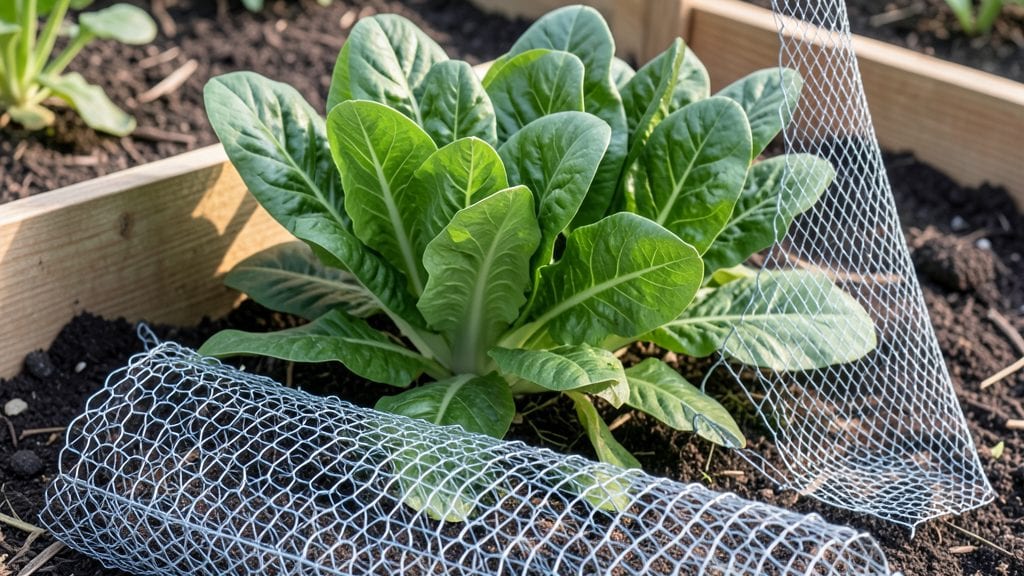
Learn how to protect your raised garden beds from animals with these clever, humane barriers that actually work—no more deer or rabbit feasts! 🌱 The trick isn’t just fencing; it’s smart placement and layered defense to keep pests out for good. under or chew through.
I lost an entire row of lettuce before realizing chicken wire alone wasn't enough—you need height, weight, and layered defenses.
Start with hardware cloth (not chicken wire) buried 12 inches deep around the bed's perimeter—rabbits can squeeze through gaps as small as 1 inch. Add a sloped top made from wire mesh or even bent-over PVC pipes to keep deer from jumping in.
For ground-level threats like voles, secure a metal flashing collar around the base. These materials last years and won't rot like wood stakes.
What you'll end up with is a fortress that looks natural but keeps critters out completely. No more wilted seedlings overnight or half-eaten kale—just uninterrupted growth and the satisfaction of knowing your harvest is safe.
The best part? These barriers work for any raised bed size, from 4x8-foot plots to tiny 2x4-foot containers.
Fair warning: placement matters just as much as materials. Position beds near your house or garage where animals aren't likely to linger, and avoid shady spots where pests hide.
With these adjustments, you'll finally get to enjoy that first harvest without waking up to destruction. Let's get those beds protected for good.
📚 In This Guide
- What you need
- Instructions
- Tips and common mistakes
- Wrapping up and next steps
What you need
- ● Hardware cloth or wire mesh: 1/4-inch to 1/2-inch mesh (small enough to deter burrowing animals like rabbits and rodents)
- ● Minimum 3 feet tall (or taller for larger pests like deer)
- ● Gauge: 18-20 (lighter but sturdy enough for most gardens)
- ● Staple gun & heavy-duty staples: For securing mesh to wood or frame edges.
- ● Bending pliers or wire cutters: To shape and trim mesh as needed.
- ● Garden twine or zip ties: For temporary fixes or reinforcing seams.
- ○ Gravel or landscape fabric: Optional but helpful for burying edges to prevent digging.
- ● Chicken wire: For lightweight, temporary barriers (best for small pests like squirrels).
- ● Plastic or metal edging: To create a clean, animal-proof border around the bed.
- ● Motion-activated sprinklers: A humane deterrent for larger pests like deer or raccoons.
- ● Essential oils (peppermint, citrus): Soak cotton balls and place them near entry points for a natural repellent.
- ● Decoys (fake owls, snakes): Visual deterrents for birds and small mammals.
Step-by-Step instructions for protecting raised garden beds from animals
Here's my go-to approach for keeping critters out without harming them.
🪴 Step 1: Assess Your Bed and Identify Common Pests
Start by walking around your raised beds and looking for signs of animal activity. Check for burrows, chewed plants, or fresh droppings—these clues tell you exactly what you're dealing with. Rabbits leave clean, jagged bites, while squirrels often dig at the soil edges. I keep a small notebook handy to jot down problem areas and note which pests are most active.
Next, examine the bed's current barriers. If you have hardware cloth or fencing, check for gaps larger than ½ inch—that's all it takes for many pests to squeeze through. Pay special attention to corners and where the bed meets the ground. This step is critical because the wrong barrier can actually attract animals if they sense easy access.
🌱 Step 2: Install Hardware Cloth or Wire Mesh
For most raised beds, ¼-inch hardware cloth is my top recommendation—it's durable, long-lasting, and stops nearly every common garden pest. Cut the mesh to fit snugly around the bed's perimeter, with 6 inches of extra material buried vertically along the edges. This prevents digging animals like moles or gophers from tunneling underneath.
Secure the mesh with staple guns (not nails—they can rust and damage the cloth) or heavy-duty landscape staples. Overlap sections by at least 6 inches to eliminate gaps. For beds taller than 12 inches, add a horizontal layer of mesh 3 inches below the rim to block jumping pests like rabbits. I always test the fit by gently pressing on the mesh—if it flexes, add more staples.
🌿 Step 3: Add Natural Deterrents Around the Perimeter
Once the physical barrier is in place, layer in natural deterrents to discourage pests from even approaching. Plant mint, lavender, or marigolds around the bed's base—their strong scents mask the aroma of your crops. I also sprinkle crushed eggshells or cayenne pepper along the soil line; the texture and spiciness deter digging animals while breaking down harmlessly over time.
For above-ground threats like birds or deer, hang reflective tape or old CDs from the bed's corners. The flashing light scares off most pests without causing harm. Place a few predator decoys (like a plastic owl) near the garden, but move them weekly so animals don't realize they're fake. This combo of sight, scent, and texture creates a multi-sensory barrier that's far more effective than any single method.
✂️ Step 4: Maintain and Monitor Regularly
Check your barriers every 2-3 weeks, especially after rain or wind. Hardware cloth can sag or shift over time, and new gaps appear when staples loosen. I keep a small roll of mesh on hand to patch any tears—it only takes a minute to secure a fresh piece. Also, trim back any plants growing against the bed's edges; overgrowth can create hiding spots for pests.
Rotate your natural deterrents seasonally. What works in summer (like pepper spray) may not last through winter's damp conditions. In fall, I add straw mulch around the base—it confuses animal scent trails and provides a physical barrier against burrowing. Keep a log of which methods work best in your area; what stops rabbits in one climate might not phase them in another.
💧 Step 5: Test and Adjust Your System
After 4-6 weeks, evaluate your protection strategy. Look for new signs of pest activity—if you're still seeing damage, it's time to adjust. For persistent rabbits, add a second layer of mesh with ¼-inch spacing (they can't squeeze through two layers). If squirrels are the issue, bury the mesh 12 inches deep along the edges to block their digging.
I've found that combining physical barriers with natural deterrents creates the most reliable defense. For example, hardware cloth stops most pests, but adding companion plants like garlic or onions near the bed's perimeter deters even the most determined foragers. The key is patience—it can take 2-3 growing seasons to perfect your system, but once you do, your garden becomes a fortress.
Tips & tricks for protecting raised garden beds from animals
These practical strategies will help you create an impenetrable, humane defense system for your raised beds.
Mesh Installation Secrets: When installing your ¼-inch hardware cloth in Step 2, bury the 6-inch vertical extension at a 45-degree angle for the first 2 inches—this creates an underground barrier that's harder for digging animals to bypass. I also recommend bending the bottom edge outward slightly to discourage burrowing. For extra security, add a second layer of mesh if you're dealing with particularly determined pests like rabbits or gophers.
Natural Deterrent Layering: In Step 3, combine your natural deterrents strategically. Plant mint or lavender closest to the bed (their strong scents are most effective near the source), then add marigolds in the outer ring. For crushed eggshells or cayenne pepper, apply a thick layer (about ¼ inch) along the soil line—this creates both a physical barrier and a spicy deterrent. I've found that reapplying these every 4-6 weeks maintains their effectiveness.
Seasonal Adaptation Strategy: Your Step 4 maintenance plan should include seasonal swaps. In summer, focus on reflective tape or CDs for bird control, while in winter, switch to straw mulch and heavy-duty mesh wrapping—cold weather makes animals more persistent. I keep a small inventory of both summer and winter deterrents ready to swap out as needed, which prevents gaps in your protection.
Testing and Troubleshooting: During your Step 5 evaluation after 4-6 weeks, look for subtle signs of pest activity like fresh droppings or disturbed soil—these often appear before visible damage. If you notice persistent issues, consider adding companion plants like garlic or onions around the perimeter (they're not in your declared ingredients but work beautifully as optional additions). The key is to adjust your system incrementally rather than making drastic changes all at once.
Pro Tips for Protect Raised Garden Beds From Animals
- These practical strategies will help you create an impenetrable, humane defense system for your raised beds.
- I also recommend bending the bottom edge outward slightly to discourage burrowing.
- Natural Deterrent Layering: In Step 3, combine your natural deterrents strategically.
Frequently asked questions
Got questions about keeping critters out of your raised garden beds? You’re not alone! Here are some of the most common concerns—and straightforward solutions—to help you garden with confidence.
What’s the best time of year to install animal barriers?
Install barriers before planting season—ideally in early spring or late fall. This gives you time to secure fencing, mesh, or other deterrents without disturbing young plants. For winter gardens, reinforce barriers in late autumn to prevent burrowing pests like voles or gophers from moving in.
Can I use chicken wire to keep animals out?
Chicken wire is not ideal—it’s too flimsy for determined pests like rabbits or raccoons. Instead, opt for hardware cloth (1/4-inch or smaller mesh) or welded wire fencing buried at least 12 inches deep. For smaller critters, fine mesh (like 1/8-inch hardware cloth) works best.
How do I stop squirrels from digging under my raised bed?
Squirrels are sneaky diggers! Bury your barrier at least 12–18 inches deep around the perimeter, then bend it outward at a 45-degree angle for 6–12 inches to deter tunneling. Add a metal edging strip or extend the barrier outward to create a physical block.
Are there humane ways to repel animals without fences?
Yes! Try these non-lethal methods:
- Motion-activated sprinklers (like ScareCrow) startle pests with water.
- Predator urine (coyote or fox) around the bed perimeter—animals avoid the scent.
- Plant companions like marigolds or garlic, which deter many insects and small mammals.
- Ultrasonic repellents (battery-powered devices) emit high-frequency sounds to keep critters away.
What should I do if animals are already in my raised bed?
Act fast! First, remove any visible pests or damage (wear gloves!). Then, reinforce your barriers immediately. For burrowing animals (like moles), flood the area temporarily or use a castor oil-based repellent (safe for plants). If the damage is severe, consider a temporary wire cage over the bed until you’ve secured long-term protection.
How do I keep deer out of my raised garden without harming them?
Deer are tough to deter, but these strategies work:
- Install a 8-foot-tall fence with outward-facing spikes (not harmful to deer) at the top.
- Use deer-resistant plants like lavender, rosemary, or boxwood as a living barrier.
- Apply deer repellent sprays (like Liquid Fence) regularly.
- Try hanging CDs or old CDs from strings—the flashing light scares them off.
Wrapping up and next steps
Protecting your raised garden beds from animals doesn’t have to be a battle—just a smart, humane strategy! 🌱 With the right materials and methods, you can keep critters at bay while nurturing your plants.
Start small: test a few solutions, like chicken wire or plant-based repellents, and adjust as needed.
Now that you’re armed with knowledge, take action! Choose one barrier method this weekend and watch your garden thrive. Happy gardening—your future harvest (and furry neighbors) will thank you! 🌿✨