
Pests
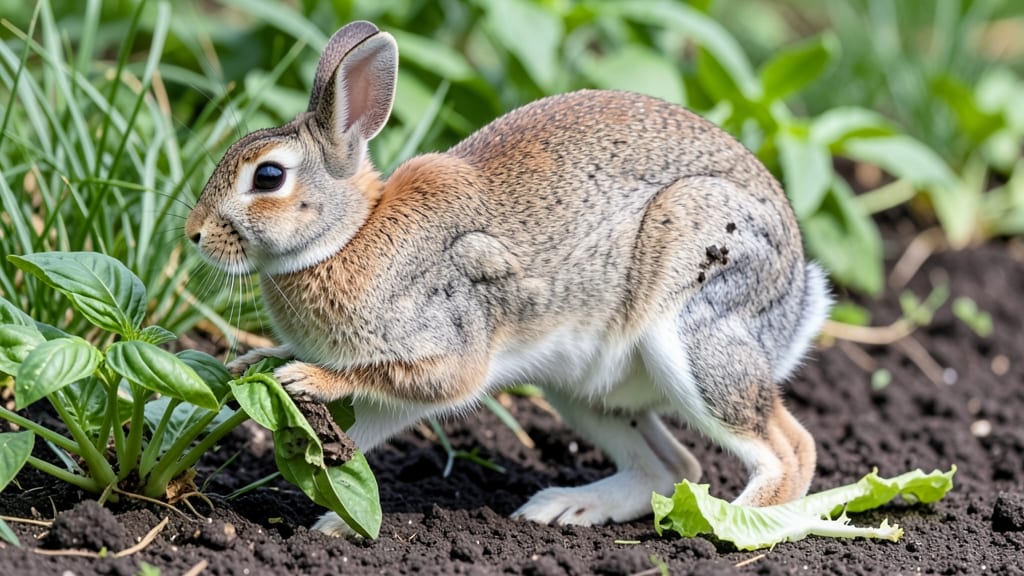
Discover how to keep rabbits out of your vegetable garden—because those flimsy fencing tricks won’t save your lettuce and peas from these furry thieves. expensive wire mesh.
The key is creating a physical maze they can’t navigate. Burying 12-inch-wide chicken wire at a 45-degree angle forces them to jump or dig, and adding stakes every 2 feet prevents them from tunneling underneath. It’s not pretty, but it’s effective—my garden stayed rabbit-free all summer with this setup.
You’ll see the difference immediately: no more nibbled seedlings, no more disappearing zucchini blossoms, and no more frustration. The best part? This method works for any garden size and costs a fraction of commercial repellents that rabbits ignore anyway.
Bonus: Pair it with garlic or hot pepper spray for extra insurance. Once you try this, you’ll never go back to hoping for the best—your veggies will thank you.
Why it happens
Rabbits don’t just wander into your vegetable garden out of curiosity—they’re drawn by a mix of instinct, environmental cues, and the irresistible allure of fresh, tender plants.
Understanding these triggers is the first step to outsmarting them. Below, we break down the core reasons why rabbits turn your garden into their all-you-can-eat buffet. 🐇🥕
🌱 1. Abundant Food Sources
Rabbits are herbivorous foragers, meaning they rely on plants for 90% of their diet. Your vegetable garden is a nutritional goldmine—especially for young, leafy greens like lettuce, spinach, and kale, which are high in moisture and easy to digest. Scientifically, rabbits prefer plants with:
- High water content: Succulent stems and leaves (e.g., celery, cucumbers) are low-effort snacks.
- Low fiber: Mature plants with tougher stems (like corn stalks) are less appealing than tender shoots.
- Natural sugars: Newly sprouted beans or peas trigger their grazing instincts.
Pro tip: 💡 Rabbits avoid bitter or toxic plants (e.g., marigolds, onions). Planting these as borders can act as a natural deterrent.
🏡 2. Lack of Natural Predators
In urban and suburban areas, rabbits face fewer predators than in the wild. Coyotes, foxes, and birds of prey are often absent, leaving rabbits to browse undisturbed. Studies show that rabbits in low-predation zones (like backyards) exhibit bold, daytime foraging—exactly when you’re tending your garden. 🌙
Additionally, domestic cats and dogs may not deter rabbits effectively. Rabbits rely on visual and olfactory cues—if a predator isn’t a direct threat (e.g., a lazy house cat), they’ll ignore it.
🌿 3. Shelter and Hiding Spots
Rabbits need cover to feel safe. Dense shrubs, tall grass, or even a pile of firewood near your garden provides them with:
- Escape routes: They’ll hop in for a quick snack, then retreat if they sense danger.
- Nesting material: Dry leaves or mulch attract them to dig burrows or rest.
- Territorial markers: Rabbits use scent glands to claim areas—if they find a cozy spot, they’ll return daily.
Key insight: 🔥 If your garden is isolated (e.g., surrounded by open lawn), rabbits will treat it like a safe feeding zone.
🌙 4. Seasonal and Time-Based Triggers
Rabbits are crepuscular (most active at dawn/dusk), but their behavior shifts with seasons:
| Season | Why They Raid Gardens |
|---|---|
| Spring | New plant growth = easy, nutrient-rich meals. Mothers also forage to feed nursing kits. |
| Summer | Heat stress drives them to graze at cooler times (early morning/late evening). |
| Fall | Rabbits over-eat to build fat reserves for winter. Your garden becomes a pre-winter buffet. |
| Winter | Snow cover protects plants from frost, making them more accessible. Rabbits dig through snow for greens. |
Actionable tip: ✨ Monitor activity patterns—if you spot damage at 6 AM, set traps or barriers before dawn.
🧠 5. Learned Behavior from Humans
Here’s the kicker: Rabbits learn from us. If you’ve ever:
- Left uneaten veggies in the garden overnight.
- Complained to a neighbor about rabbits, without acting.
- Used ineffective deterrents (like mothballs or plastic snakes), rabbits will ignore them.
Rabbits have excellent memory. If they associate your garden with free food and no consequences, they’ll keep returning—even if you add a fence later.
Practical Solutions for Rabbit-Proof Gardens
Rabbits may see your vegetable garden as an all-you-can-eat buffet, but with the right strategies, you can outsmart them. Below are targeted fixes based on common rabbit behaviors and garden vulnerabilities—each designed to be easy to implement and highly effective.
🔥 Block Access with Physical Barriers
Rabbits are expert diggers and jumpers, so tunnel-style barriers are your best defense. These should be at least 2 feet tall (rabbits can leap 3 feet!) and buried 12 inches deep to prevent digging.
- 🍳 Chicken Wire or Hardware Cloth
- How to Install: Bend the wire at a 45-degree angle outward at the top to deter climbing. Secure stakes every 2–3 feet and bury the bottom edge 6–12 inches deep.
- Pro Tip: 💡 Use U-shaped posts (like those for fencing) for extra stability in windy areas.
- 👨🍳 Raised Garden Beds with Overhead Netting
- How to Install: If rabbits are targeting low-lying plants, elevate beds and drape fine mesh netting (¼-inch or smaller) over the top. Weigh it down with rocks or soil.
- Bonus: This also keeps birds and squirrels out!
⏰ Repel with Natural Deterrents
Rabbits rely heavily on scent and taste to avoid threats. Strong-smelling plants and spices can make your garden unappealing.
- 🌡️ Plant Rabbit-Repellent Herbs
- Best Choices: Rosemary, thyme, sage, lavender, and garlic (especially effective when planted near vulnerable crops).
- How to Use: Surround your garden with a 1–2 foot border of these herbs or tuck them into flower beds.
- 🎯 Spice-Based Sprays
- DIY Recipe: Mix 1 tbsp cayenne pepper, 1 tbsp garlic powder, and 1 tbsp dish soap in a gallon of water. Spray weekly on plants and garden edges.
- Warning: 🔥 Avoid spraying on edible leaves right before harvest—rinse well!
🔪 Eliminate Hiding Spots & Food Sources
Rabbits feel safer in dense, shady areas with easy access to greens. Reduce their motivation by making your garden less inviting.
- 🌿 Trim Brush and Tall Grass
- Why It Works: Rabbits hide in overgrown areas to ambush gardens. Keep perimeter vegetation trimmed to 12–18 inches high.
- Extra Step: Mow regularly (every 2–3 weeks) to discourage nesting.
- 🍎 Remove Rabbit Favorites
- Avoid Planting: Lettuce, kale, beans, and young carrots are top rabbit snacks. If you must grow them, protect with individual cloches or row covers.
- Alternative Crops: Opt for rabbit-resistant veggies like peppers, eggplants, or radishes (though even these need barriers early on).
✨ Long-Term Prevention Tips
Once rabbits are deterred, keep them away for good with these low-maintenance habits:
- 💡 Install Motion-Activated Sprinklers
- How It Works: Devices like ScareCrow spray water when rabbits approach—harmless but startling enough to train them to stay away.
- Best For: Large gardens where manual checks aren’t practical.
- 🌙 Use Reflective Objects
- DIY Hack: Hang old CDs, aluminum pie pans, or wind chimes near the garden. The flickering light confuses rabbits.
- Pro Tip: Move them weekly to prevent rabbits from getting used to them.
- 🐇 Livetrap & Relocate (Last Resort)
- When to Use: If rabbits are already nesting in your yard, a humane trap (like the Havahart model) can catch them for relocation.
- Check local laws—some areas prohibit relocation without a permit.
📊 Quick Fix Comparison Table
| Problem | Best Solution | Ease of Install | Cost |
|---|---|---|---|
| Rabbits digging under fences | Bury wire 12" deep + bend outward | Moderate | $$ |
| Jumping over low barriers | 2–3 ft tall fencing + netting | Easy | $$$ |
| Chewing young plants | Spice spray + herb borders | Very Easy | $ |
| Nesting in overgrown areas | Trim brush + motion sprinklers | Moderate | $$ |
Final Note: Consistency is key—combine at least 2–3 methods (e.g., fencing + repellent plants) for the best results. Rabbits are persistent, but with smart barriers and deterrents, your vegetable garden will stay safe and thriving!
Frequently asked questions
What’s the best height for rabbit-proof fencing?
Rabbits can leap up to 3 feet, so aim for fencing at least 2–3 feet tall. Bury the bottom 12 inches deep to block digging tunnels. For extra security, angle the top outward at a 45-degree slope to deter climbing.
Will motion-activated sprinklers really work?
These sprinklers surprise rabbits with a harmless water blast when triggered, teaching them to avoid your garden. Pair them with other deterrents like fencing for best results—consistency is key to training them away.
Are there rabbit-resistant vegetables I can grow instead?
Yes! Opt for peppers, eggplants, or radishes—they’re less appealing to rabbits. Even these need early protection, but they’re harder to ignore than leafy greens. Planting rosemary or lavender nearby adds extra defense.
How often should I reapply natural sprays?
Spray your DIY repellent (like cayenne-garlic mix) every 7–10 days or after rain. Reapply before planting new crops. Always rinse edible leaves 24 hours before harvest to avoid residue.
What if rabbits keep returning after I’ve set up barriers?
Rabbits are persistent! If they persist, try combining methods: fencing + reflective objects + sprays. Also, check for hiding spots like tall grass or brush near your garden—eliminating cover reduces their confidence.