
Picking
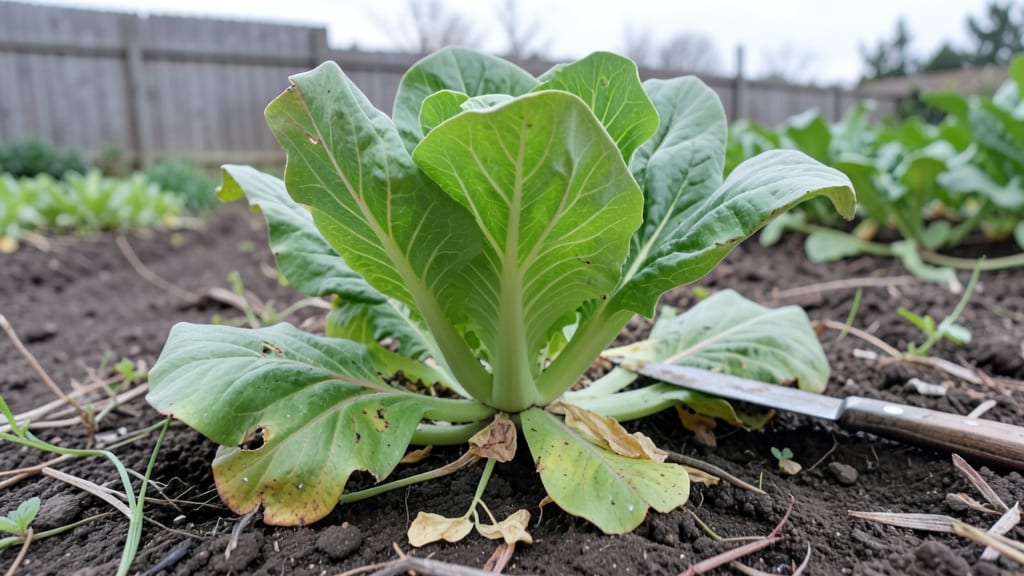
How to harvest romaine lettuce from your garden at the perfect moment means crisp, flavorful leaves that taste like nothing from the store. ✨ I learned the hard way—cutting too early gives bitter baby greens, while waiting too long means tough, woody stalks.
The secret lies in watching leaf size and timing your harvest just right.
Start harvesting outer leaves when they reach about 6–8 inches long, leaving the inner leaves to keep growing. This method lets you enjoy fresh lettuce for weeks, with the plant producing more tender leaves as long as you don’t cut into the center.
A sharp knife or clean scissors makes all the difference—tugging leaves can damage the plant and invite pests.
📚 In This Guide
- What you need
- Instructions
- Tips and common mistakes
- Wrapping up and next steps
What you need
- ● Sharp pruning shears or garden scissors – Choose bypass-style (not anvil-type) to avoid crushing stems. A 10-12 inch blade works best for precision.
- ● Clean kitchen knife or harvesting knife – A 3-4 inch serrated blade is ideal for cutting larger heads close to the base.
- ○ Gloves (optional but recommended) – Lightweight, breathable gardening gloves protect your hands from dirt and thorns.
- ● Large harvesting basket or shallow container – A 12-18 inch wide basket with handles keeps lettuce contained and prevents bruising.
- ● Spray bottle with water – A 16 oz bottle helps mist leaves to keep them crisp during harvest.
- ● Plastic or metal harvesting tray – A 12x18 inch tray makes sorting and cleaning easier post-harvest.
- ● Harvesting bag or mesh produce bag – Keeps lettuce cool and ventilated for transport.
- ● Disinfectant spray (e.g., diluted bleach or vinegar) – Sanitizes tools between harvests to prevent disease.
- ● Small hand trowel – Useful for loosening stubborn soil if harvesting near the base.
- ● Cooling pad or insulated tote – Preserves freshness if you’ll store lettuce before use.
Step-by-step instructions for harvesting romaine lettuce
Here's how to pick crisp romaine at its peak—without sacrificing future growth.
🌿 Step 1: Identify the Perfect Harvest Window
Romaine lettuce reaches ideal flavor and texture when stalks are 12-16 inches tall with tight, upright leaves. Look for deep green color and firm stems—these are your cues. The outer leaves should feel crisp when gently squeezed, not floppy or wilted. I always check the base of the plant first: if the center leaves are still tightly closed, the head isn't ready yet.
Harvesting too early means small, bland lettuce. Waiting too long results in bitter, loose leaves. The 12-inch mark is your sweet spot for restaurant-quality romaine. If you're growing multiple plants, pick the tallest one first—it'll signal when the others are ready.
✂️ Step 2: Use the Right Cutting Technique
Grab a sharp pair of kitchen shears or a clean knife and cut the entire head about 1 inch above the base. This leaves enough growth point for the plant to regrow. I angle the cut slightly upward to avoid damaging the center leaves—this prevents rot and encourages new growth.
Never pull the lettuce from the ground. The roots anchor the plant, and yanking risks breaking them. If you must harvest individual leaves (like for baby greens), start with the outermost leaves and leave the inner core intact. This way, the plant keeps producing for 2-3 more weeks of partial harvests.
💧 Step 3: Rinse and Store for Maximum Freshness
Rinse the harvested romaine immediately under cool running water to remove dirt and debris. Gently separate leaves if the head is large—this helps them dry faster. Pat dry with a clean kitchen towel or paper towels, but don’t wring them. Excess moisture speeds up spoilage.
Store romaine in a sealed container with a damp paper towel to retain moisture. Place it in the crisper drawer of your fridge, where temperatures stay 35-40°F. For longer storage, wrap the base loosely in plastic wrap before refrigerating—this keeps it crisp for up to 10 days. If you won’t use it all at once, blanch and freeze the cores for future salads.
🌱 Step 4: Encourage Regrowth (If Desired)
After cutting the main head, leave the 1-inch stump intact. Water the base deeply to encourage regrowth. Within 1-2 weeks, you’ll see new leaves emerging from the center. These baby leaves are tender and perfect for microgreens or salads.
To maximize regrowth, fertilize lightly with a balanced liquid fertilizer (like 10-10-10) after the first harvest. Keep the soil consistently moist but not soggy. With proper care, a single romaine plant can give you 2-3 harvests in a season. Just avoid cutting below the ½-inch mark—this risks damaging the crown.
Tips & tricks for perfect romaine lettuce harvesting
Mastering the art of harvesting romaine means balancing perfect timing with plant health—here's how to get it right every time.
Timing is Everything: The 12-inch height mark is your golden rule, but don't rely solely on measurements. Check the base of the plant—if the center leaves are still tightly closed, the head isn't ready. I've learned the hard way that harvesting too early gives you small, bland lettuce, while waiting too long results in bitter, loose leaves. The 12-16 inch range is your sweet spot for restaurant-quality crispness.
Cutting Technique Matters: That 1-inch stump you leave behind isn't arbitrary—it's the key to regrowth. Angle your cut slightly upward to avoid damaging the center leaves, which prevents rot and encourages new growth. I always use sharp kitchen shears because a dull blade crushes the stems, making the plant more susceptible to disease. And never pull the lettuce—roots anchor the plant and yanking breaks them.
Storage Secrets: The 35-40°F temperature in your crisper drawer is perfect for maintaining crispness, but proper storage starts with rinsing immediately after harvest. Pat dry thoroughly—excess moisture is the enemy of freshness. For longer storage, wrap the base loosely in plastic wrap before refrigerating. This keeps romaine crisp for up to 10 days, and the damp paper towel trick maintains that perfect crunch.
Regrowth Hack: After your first harvest, that 1-inch stump can give you 2-3 more harvests if you care for it properly. Water deeply and fertilize lightly with a balanced 10-10-10 solution. Just avoid cutting below the ½-inch mark—you'll damage the crown and stunt future growth. I've seen romaine plants produce baby leaves perfect for salads just 1-2 weeks after the main harvest.
Pro Tips for Harvest Romaine Lettuce From Garden
- Mastering the art of harvesting romaine means balancing perfect timing with plant health—here's how to get it right every time.
- Timing is Everything: The 12-inch height mark is your golden rule, but don't rely solely on measurements.
- Cutting Technique Matters: That 1-inch stump you leave behind isn't arbitrary—it's the key to regrowth.
Frequently asked questions
Got questions about harvesting your garden’s romaine lettuce? You’re not alone—even seasoned gardeners have a few curiosities! Here are some of the most common queries, answered simply and clearly:
When is the best time to harvest romaine lettuce?
Harvest your romaine when the leaves reach 6–8 inches tall, typically 6–8 weeks after planting. For baby greens, snip when leaves are 3–4 inches—just wait until morning when leaves are crisp for the best texture!
How do I know if my romaine is ready to pick?
Check for deep green, firm leaves with no yellowing or wilting. If the outer leaves are mature and robust, it’s time! Pro tip: Taste a leaf—if it’s bitter, wait a few more days.
Can I harvest romaine lettuce multiple times?
Romaine is a cut-and-come-again crop. After harvesting the outer leaves, leave the inner core intact—it’ll regrow in 3–4 weeks. Just avoid harvesting more than ⅓ of the plant at once to keep it healthy.
What if my romaine bolts or bolts early?
Bolting happens when romaine sprouts a flower stalk due to heat or stress. If it’s early, snip the flower stalk and enjoy the leaves before they turn bitter. For prevention, plant in partial shade or use shade cloth in hot climates.
Can I harvest romaine lettuce in containers?
Yes! Container-grown romaine works the same way—harvest when leaves reach 6+ inches. Just ensure the pot is at least 12 inches deep and use well-draining soil. Water consistently to prevent bolting, and you’ll get just as much yield!
Wrapping up and next steps
Harvesting romaine lettuce from your garden is a rewarding experience that brings fresh, crisp greens straight to your table! 🌱 With the right timing—like picking outer leaves first or harvesting whole heads when mature—you’ll enjoy a steady supply of flavorful lettuce.
Whether you’re a beginner or a seasoned gardener, these tips ensure your romaine stays vibrant and delicious.
Now that you’re ready to harvest, why not take the next step? Try experimenting with different varieties or share your bounty with friends and family. Happy gardening—and bon appétit! 🥗