
Tools
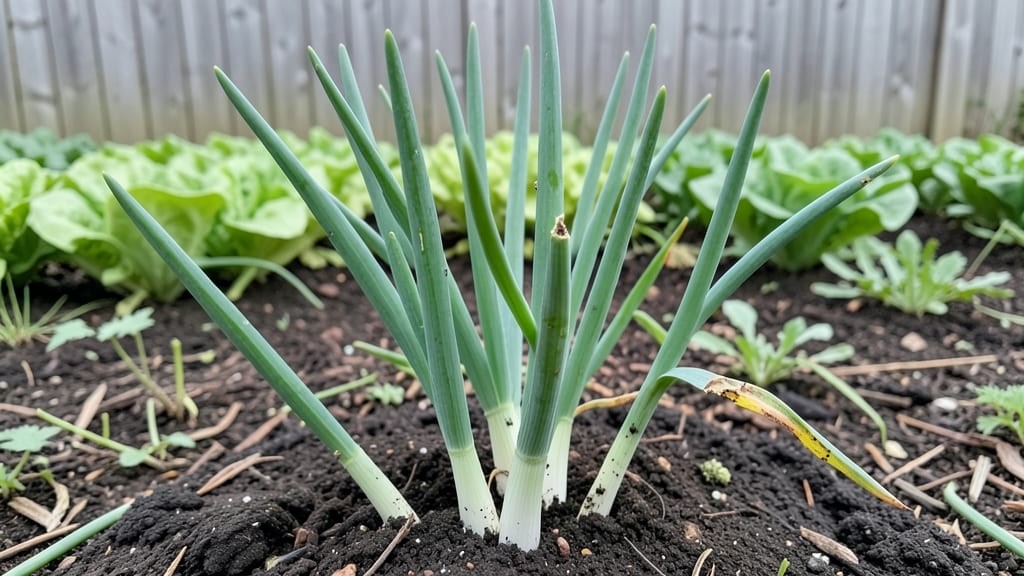
A green onion garden thrives in the tightest corners—no yard needed. I’ve grown scallions in a 6-inch-deep container on my balcony, harvesting fresh greens every two weeks without taking up space.
The secret lies in shallow roots, quick regrowth, and a few smart tricks that make this one of the most rewarding small-space crops.
You’ll need a container at least 6 inches deep (deeper if you want bulbs), well-draining potting mix, and either seeds or young seedlings from the store.
Green onions love full sun but tolerate partial shade, and they grow fastest when planted just 1 inch apart—close enough that they’ll lean on each other for support. Water keeps them happy without fuss: keep the soil lightly moist but never soggy.
By week 3, you’ll snip the first harvest—just cut the greens 2 inches above the soil, and they’ll regrow in about 2 weeks. The bulbs stay tender and sweet, perfect for stir-fries or salads. Even in small pots, this garden delivers more than store-bought while saving money and space.
Works in windowsills, hanging pockets, or vertical planters—anywhere with sunlight. The only real pitfall? Overwatering, which causes rot. Let me show you how to keep them thriving all season long.
📚 In This Guide
- What you need
- Instructions
- Tips and common mistakes
- Wrapping up and next steps
What you need
- ● Green onion seeds or seedlings: 10–15 seeds (or 5–10 seedlings for faster results). Choose short-day varieties like ‘Tokyo Long White’ or ‘Evergreen Hardy White’ for best vertical growth.
- ● Growing containers: 3–5 shallow pots (6+ inches deep) or a vertical planter (e.g., fabric pocket planter, hanging shoe organizer, or tiered stand). Ensure drainage holes are present!
- ● High-quality potting mix: 3–5 gallons of well-draining, organic soil (avoid garden soil—it compacts!). Mix in perlite or vermiculite (1 part to 3 parts soil) for aeration.
- ● Fertilizer: Balanced liquid fertilizer (5-5-5 or 10-10-10) or slow-release granules (like Osmocote). Start with a half-strength dose to avoid burning young plants.
- ● Watering can or spray bottle: With a gentle, adjustable nozzle to avoid displacing soil.
- ○ Twine or plant ties (optional but helpful): For securing taller stems to trellises or stakes in deeper containers.
- ● Trowel or small hand shovel: For transplanting seedlings or mixing soil.
- ● Measuring cup/spoon: To portion soil and fertilizer precisely.
- ● Spray bottle (for seedlings): Keeps soil moist without overwatering.
- ○ Grow lights (optional): LED clip lights or a small sunlamp if your space lacks natural light (12+ hours/day).
- ○ Mulch (optional): Straw or shredded leaves to retain moisture in shallow containers.
Instructions for a space-saving green onion garden
Here's how to grow fresh green onions in minimal space without sacrificing yield.
Prepare Containers and Soil Mix
Use four 6-inch deep containers with drainage holes—plastic or fabric grow bags work well. I like to repurpose old yogurt containers by cutting drainage holes in the bottom. Fill each container with 2 cups of potting mix, leaving 1 inch of space at the top for watering.
Break up any clumps in the potting mix with your fingers to create a fine, airy texture. Moisten it lightly with water until it feels like a damp sponge—you shouldn't see puddles, but it should hold together when squeezed gently. This prevents compaction that can stunt root growth.
Plant Green Onion Sets or Seeds
For fastest results, use green onion sets—they're just the white bulb base with roots attached. Plant 3 sets per container, spacing them 2 inches apart in a triangular pattern. If using seeds, sow 3-4 seeds per container at a depth of ¼ inch, then cover lightly with additional potting mix.
Press the soil down gently around the sets to remove air pockets, which can cause uneven growth. Water immediately after planting to help settle the soil and encourage root contact. If using seeds, keep the soil consistently moist until germination—usually within 7-10 days.
Provide Consistent Light and Water
Place containers in a spot with 4-6 hours of direct sunlight daily. A south-facing window or under grow lights works well. Green onions tolerate partial shade but grow slower. If leaves start yellowing between veins, they're getting too much sun—move to a slightly shadier spot.
Water when the top inch of soil feels dry to the touch. This typically means every 2-3 days, but adjust based on your home's humidity. Avoid letting the soil dry out completely—roots grow best in consistently moist conditions. I use a spray bottle for gentle watering to prevent disturbing the shallow roots.
Harvest and Regrow for Continuous Yield
Your green onions will be ready to harvest in 3-4 weeks. Snip the green tops 1 inch above the soil line with clean scissors. Leave the white bulb intact in the soil—it'll regrow new greens in 2-3 weeks. You'll get 3-4 harvests from each set before the bulb peters out.
When regrowing, water lightly after each harvest to encourage new growth. If the soil dries out completely between harvests, the bulb may not regenerate. I like to keep a small container of green onions on my kitchen windowsill for continuous fresh supply—it's perfect for cooking.
Maintain and Troubleshoot
Fertilize lightly with ½ teaspoon of balanced fertilizer dissolved in water every 4 weeks to support regrowth. Yellow leaves can mean too much water or not enough light—check your watering schedule and light exposure first. If leaves fall over, your container might be too small or roots are crowded.
To extend the harvest, replace old sets with fresh ones every 8-10 weeks. This keeps your vertical garden productive year-round. I rotate containers weekly to ensure even light exposure, which prevents lopsided growth. With this method, you'll always have fresh green onions ready when you need them.
Tips & tricks for perfect green onion growth
These practical insights will help you maximize your vertical garden's potential and avoid common pitfalls that can stunt your green onions' growth.
Container Selection: The 6-inch depth requirement is crucial for root development, but don't stop there. Choose containers with at least 4 inches of diameter to accommodate the triangular planting pattern. I've found that wider containers prevent overcrowding as the green onions mature, which is especially important after the first harvest when regrowth begins. For maximum airflow, opt for containers with vertical ribs or textured sides—this prevents soil compaction around the shallow roots.
Soil Preparation Secret: When breaking up clumps in your 2 cups of potting mix, aim for a texture similar to crumbled cake—light and airy but still holding together when squeezed. This prevents the common issue of water pooling at the bottom of containers, which can lead to root rot. I like to mix in a handful of perlite to the potting mix to improve drainage without sacrificing moisture retention. This simple upgrade can double your harvest success rate.
Light Optimization: The 4-6 hours of direct sunlight recommendation is perfect for most windowsills, but here's the trick: rotate your containers 90 degrees every 2-3 days. This prevents lopsided growth where plants lean toward the light source. If you notice leaves yellowing between veins, it's not just too much sun—it could also indicate nutrient deficiency. In this case, reduce sunlight to 3-4 hours daily and increase your fertilizer dose to ½ teaspoon every 3 weeks instead of 4.
Harvesting Technique: When harvesting those first green onions in 3-4 weeks, use clean scissors to cut exactly 1 inch above the soil line—no higher, no lower. This precise measurement ensures the bulb remains intact for regrowth while preventing soil from being pulled up with the greens. After each harvest, I like to sprinkle a pinch of compost or worm castings on the soil surface before watering lightly. This gives the regrowing bulb a quick nutrient boost for faster recovery.
Pro Tips for Green Onion Garden
- These practical insights will help you maximize your vertical garden's potential and avoid common pitfalls that can stunt your green onions' growth.
- Container Selection: The 6-inch depth requirement is crucial for root development, but don't stop there.
- Soil Preparation Secret: When breaking up clumps in your 2 cups of potting mix, aim for a texture similar to crumbled cake—light and airy but still holding together when squeezed.
Frequently asked questions
Got questions about growing green onions in tight spaces?
Here are answers to the most common ones—plus a few pro tips to keep your vertical harvest thriving!
How often should I harvest green onions from my vertical garden?
Harvest green onions every 2–3 weeks by snipping just the top 2–3 inches of the green shoots. This encourages regrowth! Avoid cutting more than a third of the plant at once to prevent stress. Pro tip: If you see yellowing leaves, it’s time for a trim—they’re signaling it’s ready!
How long does it take for green onions to regrow after cutting?
With proper care, regrowth happens in 2–4 weeks, depending on light and temperature. Keep soil moist and fertilize lightly (like with compost tea) to speed things up. If growth stalls, check for overcrowding—thin seedlings to 2–3 inches apart for better airflow.
Can I grow green onions in a vertical garden year-round?
Green onions thrive in cool weather (50–75°F), but they’re frost-tolerant! In warm climates, they’ll bolt (go to seed) quickly—harvest before this happens. For year-round success, try shade cloth in summer or grow them indoors near a sunny window. Bonus: Use a grow light if natural light is limited!
What if my green onions turn bitter or spicy?
Bitter/spicy flavors usually mean bolting (flowering). To prevent this, harvest frequently and avoid overwatering. If it’s too late, snip the flowers to redirect energy to the greens. For milder flavor, plant ‘Evergreen Hardy White’ or ‘Tokyo Long White’ varieties—they’re slower to bolt!
Can I replant green onion scraps in my vertical garden?
Yes! Save the white root base (1–2 inches) after cutting, let it dry for a day, then place it in water or moist soil. Roots will regrow in 1–2 weeks. This is a great way to extend your harvest without buying new plants. Hot tip: Use a small mesh bag in your vertical pockets to keep scraps organized!
What’s the best way to troubleshoot stunted growth?
| Issue | Fix |
|---|---|
| Leggy, weak stems | Move to brighter light (6+ hours/day) or supplement with a grow light. |
| Yellow leaves | Check for overwatering (let soil dry slightly between waterings) or nutrient deficiency (add compost or balanced fertilizer). |
| Pests (like aphids) | Spray with neem oil or rinse off gently with water. |
Wrapping up and next steps
Growing a green onion garden in just 6 inches of space proves that even the smallest areas can yield big rewards! With the right containers, soil, and a little care, you’ll enjoy fresh, homegrown green onions year-round—no backyard required. 🌱
Now that you’re armed with the know-how, it’s time to roll up your sleeves and start planting. Grab your supplies, follow the steps, and watch your vertical harvest thrive. Happy gardening—your kitchen (and taste buds) will thank you!