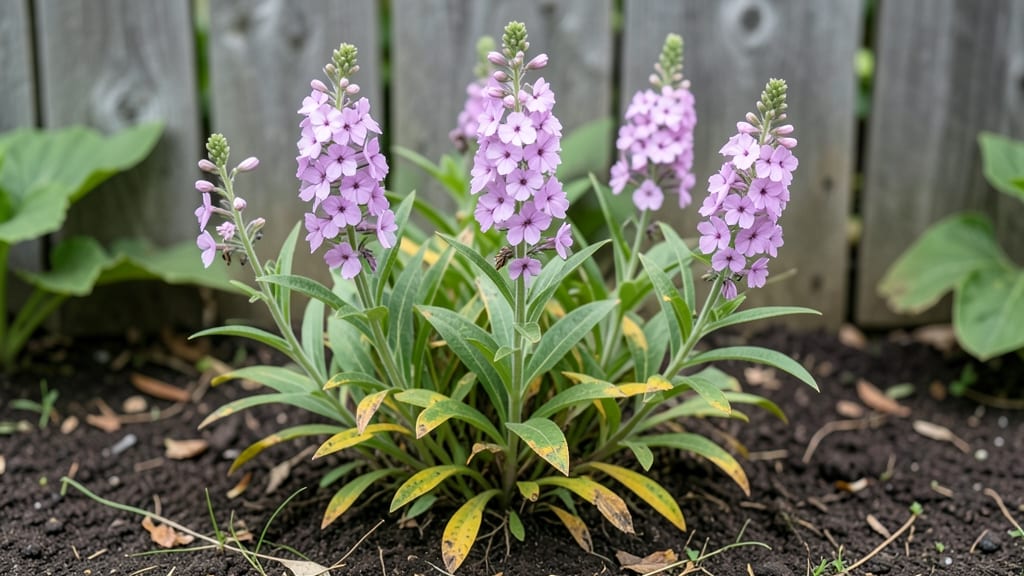
Garden phlox 🌸 can reach anywhere from 1 foot to over 5 feet tall, depending on the variety and growing conditions.
Wondering if garden phlox will tower over your flower beds or stay neatly contained? Their height varies dramatically by variety—from delicate dwarf types to towering giants—so knowing the right type for your space is key to a stunning, low-maintenance garden.
Most gardeners choose phlox for their vibrant blooms and long-lasting flowers, but their height plays a big role in where you plant them. Taller varieties make excellent backdrop plants, while shorter ones thrive in borders or containers.
In this guide, you’ll discover how to pick the perfect phlox height for your garden, tips for supporting tall varieties, and the best companion plants to pair with them for a cohesive look.
Dwarf
1-2 ft
Container friendly
Semi-Dwarf
2-3 ft
Most popular
Standard
3-5 ft
Full orchard size
Garden phlox height by variety: dwarf to giant types explained
Garden phlox (Phlox paniculata) is one of those versatile perennials that can be both a low-growing border star and a towering garden focal point—depending on the variety.
Whether you're designing a front-yard cottage garden or a backyard pollinator haven, choosing the right height ensures your phlox thrives without crowding other plants. Some varieties stay compact at just 12 inches tall, while others reach 5 feet, creating dramatic vertical interest.
Height isn’t the only factor to consider—growth habits also play a role. Compact varieties like 'David' form neat, bushy mounds, while tall types like 'Blue Paradise' develop sturdy spikes that need support.
Below, I’ve broken down 12+ popular phlox varieties by height, so you can pick the perfect fit for your space. Whether you need a dwarf border plant or a backdrop for your perennial beds, there’s a phlox for every garden zone.
🌱 Pro Tip: Most phlox varieties grow 1-2 feet taller in their second year, so plan accordingly if you're planting near pathways or windows.
| Variety |
Height Range |
Growth Habit |
Best For |
| 'David' |
12-18" |
Compact, bushy |
Front borders, containers |
| 'Blue Paradise' |
3-4 ft |
Tall spikes |
Backdrop, cut flowers |
| 'Starfire' |
2-3 ft |
Bushy, upright |
Mid-height borders |
| 'Jeana' |
24-30" |
Semi-dwarf, rounded |
Pollinator gardens |
| 'Lipstick' |
3-4 ft |
Tall, slender spikes |
Cut flower arrangements |
| 'Blue Moon' |
2-3 ft |
Bushy, dense |
Mass plantings |
| 'Nora Leigh' |
td style="padding: 10px; border-bottom: 1px solid #ddd;">18-24"
Compact, spreading |
Rock gardens, edges |
| 'David's White' |
18-24" |
Neat, upright |
Formal gardens |
| 'Jeana's Rose' |
2-3 ft |
Bushy, fragrant |
Perfume garden |
| 'Blue Giant' |
4-5 ft |
Very tall, sturdy |
Backyard focal point |
| 'Lavender Lace' |
2
How to choose phlox height for your garden layout
Selecting the right phlox height transforms your garden from chaotic to curated. Taller varieties like Phlox paniculata 'David' can reach 4-5 feet, while dwarf types like 'Lipstick' stay under 18 inches.
The key is matching their mature size to your garden zones—front borders, mid-height accents, or dramatic backdrops—to create visual harmony.
Your sunlight exposure also dictates height potential. Full sun (6+ hours daily) encourages taller growth, while partial shade keeps phlox more compact. For example, 'Blue Paradise' thrives in sun and hits 3-4 feet, while 'Nancy Lindig' (2-3 feet) adapts well to partial shade.
Let’s break down how to place each type for maximum impact.
- Front Border (12–18 inches): Use dwarf phlox like 'Lipstick' or 'Purple Dome' for edging. Their compact mounds spill over pathways beautifully and pair well with creeping thyme or ajuga.
- Mid-Height Accents (24–36 inches): Semi-dwarf varieties like 'Starfire' or 'Jeana' add colorful texture behind low shrubs or perennials. They thrive with daylilies or black-eyed Susans for layered interest.
- Backdrop (36+ inches): Tall phlox like 'David' or 'Blue Paradise' create stunning backdrop focal points. Plant them behind shrub roses or hydrangeas for a lush, romantic feel.
- Sunlight Adjustments: In partial shade, expect 10–20% shorter growth. For example, a 3-foot variety may only reach 2.5 feet. In full sun, add stakes for varieties over 3 feet to prevent flopping.
- Companion Planting: Pair tall phlox with grasses (like Miscanthus) to provide wind support. For shorter varieties, mix with salvias or catmint to fill gaps and attract pollinators.
When planning your layout, consider mature spacing. Taller phlox need 18–24 inches apart to avoid crowding, while dwarf types can sit 12 inches apart. For example, a 4-foot phlox planted 2 feet apart will create a dense, romantic curtain of blooms by midsummer.
Pro tip: Use stakes or rings for varieties over 3 feet in windy areas. Even lightweight bamboo stakes can make the difference between a neat clump and a floppy mess. I stake my 'Blue Paradise' phlox every year—it’s worth the 5 minutes of effort for a polished look.
For a low-maintenance border, combine dwarf phlox with ground covers like heuchera or foamflower. This combo keeps weeds down while adding year-round interest. In sunny backyards, taller phlox paired with clematis on a trellis creates a vertical garden that blooms from summer to fall.
Remember, phlox height isn’t set in stone—pruning and soil fertility can adjust it slightly. Amend your soil with compost for healthier growth, and deadhead spent blooms to encourage longer stems. With the right placement, your phlox will be the star of the show—no matter the size! 🌸
★★★★★5.0(3 reviews)
|