
Watering
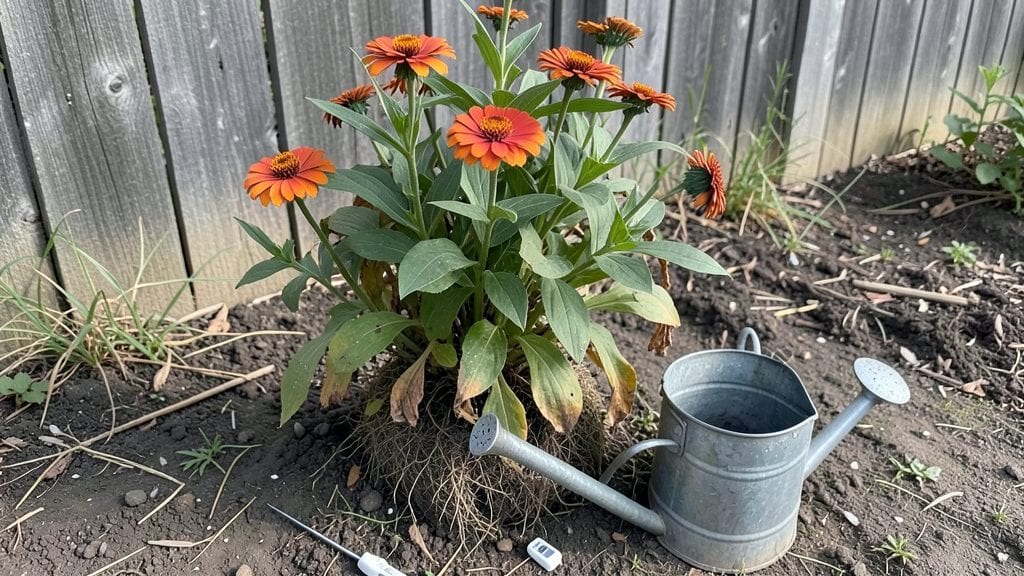
A garden needs about 1 to 2 inches of water per day—but that number changes more than you’d think based on what’s growing and where you live.
Overwatering or underwatering your garden can destroy months of hard work—yet most gardeners guess their watering schedule instead of using science-backed methods. That’s why I dug into the data to give you the exact daily water needs for your plants, so you can maximize growth and minimize waste.
From leafy greens that hate soggy roots to sun-loving tomatoes that beg for hydration, every plant has its own rhythm. In USDA Zone 6a, spring showers might mean less watering, while summer heat demands a morning deep-soak routine. Here’s how to get it right, plant by plant.
You’ll learn how to read your soil, spot overwatering before it’s too late, and adjust your schedule for droughts, rain, or even a sudden heatwave. No more guesswork—just thriving gardens.
Daily water requirements by plant type: a science-backed breakdown
Watering your garden isn’t a one-size-fits-all task—each plant type has unique needs based on its root depth, leaf structure, and growth stage. For example, a tomato plant with deep roots needs 1-2 inches of water weekly, while a marigold thrives with just ½ inch daily.
Understanding these differences prevents both root rot and wilting, ensuring your garden flourishes. Let’s break down the science-backed watering needs for your most common plants.
Soil type plays a critical role in how often you water. Sandy soil drains quickly, requiring frequent light watering, while clay soil holds moisture longer, allowing for deep but less frequent watering.
Even the time of day matters—watering in the early morning reduces evaporation and fungal risks. Below, I’ve organized watering needs by plant category, including depth measurements and frequency adjustments for optimal growth.
📊 Key Insight: Most gardeners overwater by 30-50%, leading to wasted water and plant stress. The secret? Deep, infrequent watering encourages strong root systems. For instance, vegetables like peppers need water up to 12 inches deep, while herbs like thyme only require 2-3 inches. Let’s dive into the specifics.
🔍 Pro Tip: Use a soil moisture meter or the finger test—stick your finger 1-2 inches deep into the soil. If it’s dry, water; if damp, wait. This simple check saves time and prevents overwatering.
| Plant Type | Daily Water Need (inches) | Root Depth (inches) | Frequency (Days/Week) | Best Time to Water |
|---|---|---|---|---|
| Vegetables (Tomato, Pepper, Cucumber) | 1-2 | 12-18 | 4-5 | Early morning |
| Herbs (Basil, Mint, Parsley) | ½-1 | 2-4 | 3-4 | Morning or evening |
| Flowers (Marigold, Petunia, Rose) | ½-1 | 4-8 | 3-5 | Early morning |
| Trees (Fruit, Ornamental) | 1-3 | 18-36 | 2-3 (deep soak) | Deep watering at base |
| Lawn (Grass) | ½-1 | 2-4 | 2-3 (1-2 inches total) | Early morning |
| Succulents (Aloe, Cactus) | ¼ | 1-2 | 7-10 | Deep watering (rare) |
Vegetables like tomatoes and peppers are heavy drinkers, requiring 1-2 inches of water weekly to prevent blossom end rot. Their deep root systems (12-18 inches) mean you should water until moisture reaches that depth.
Use a soaker hose or drip irrigation to deliver water directly to the roots, reducing waste and fungal diseases. Avoid wetting the foliage, especially in the evening, to prevent powdery mildew.
Herbs like basil and parsley are more drought-tolerant but still need consistent moisture
How to adjust watering based on weather, soil, and season
Adjusting your watering schedule isn't just about following a rigid calendar—it's about reading your garden like a book. Soil type, seasonal shifts, and weather patterns all demand flexibility.
For example, clay soil holds moisture longer than sandy soil, while summer heatwaves can dry out roots in just 24 hours. Ignoring these factors leads to wasted water or stressed plants.
Start by understanding your local climate zone and plant-specific needs. A tomato plant in full sun may need 1-2 inches of water daily during peak summer, while a lavender bush thrives on half that amount.
Even the same plant behaves differently in spring (establishing roots) versus fall (preparing for dormancy).
⚠️
1 inch per week is the general rule for most gardens—but this varies wildly. Sandy soil drains fast and may need daily watering in summer, while clay soil can go 5-7 days between deep waterings. Overwatering (especially at night) causes root rot, while underwatering stresses plants, making them vulnerable to pests. Always check soil 2 inches deep—if it's dry, water; if damp, wait.
Use the finger test to avoid guesswork. Stick your finger 1-2 inches into the soil—if it feels dry, water thoroughly until moisture reaches 6 inches deep.
For container gardens, lift the pot: if it's lightweight, it's time to water. Drip irrigation or soaker hoses deliver water directly to roots, reducing waste by up to 30% compared to overhead sprinklers.
Seasonal adjustments are critical. In spring, focus on deep, infrequent watering to encourage root growth, while summer demands early-morning watering to prevent evaporation. Fall slows watering as plants prepare for dormancy, and winter often requires minimal watering unless you're growing winter greens or evergreens.
Always mulch—2-3 inches of organic mulch retains moisture and regulates soil temperature.
Extreme weather throws schedules out the window. After heavy rain, skip watering for 2-3 days and check for puddles or runoff, which signal overwatering. During droughts, group plants by water needs and prioritize deep watering over frequent shallow sessions.
Even lawns need adjustments: tall grass (3-4 inches) stays healthier with less frequent, deeper watering than short turf.
Pro tip: Keep a watering journal to track what works. Note the date, weather, soil type, and plant response after each watering session.
Over time, you'll spot patterns—like how your tomatoes wilt by 2 PM in 90°F heat or how roses thrive on bi-weekly deep soaks in clay soil. Your garden will thank you with vibrant blooms and bountiful harvests.