
Light Requirements
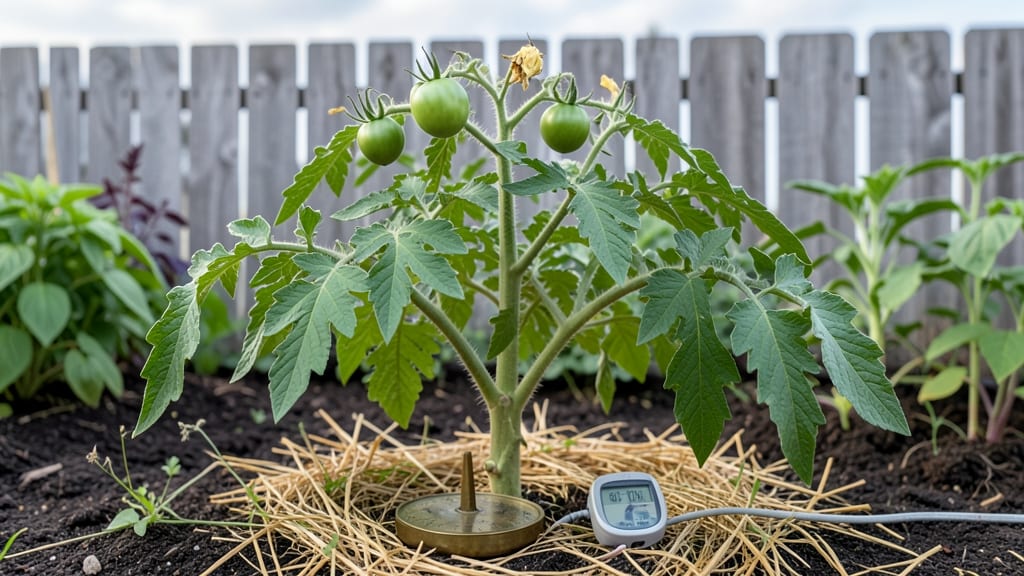
Determining how much sun for vegetable garden success is key—most gardeners guess wrong about their yard’s actual light.
Struggling to decide where to plant your tomatoes or lettuce? The right amount of sunlight can mean the difference between a thriving harvest and wilted disappointment—yet most gardeners get this critical factor wrong.
Too little sun stunts growth, while too much scorches leaves, leaving you wondering why your hard work isn’t paying off.
Here’s the good news: with a few simple adjustments, you can map your garden’s sunlight patterns and place every crop exactly where it belongs. Whether you’re growing sun-loving peppers or shade-tolerant greens, knowing the exact hours each plant needs will transform your harvest.
Below, I’ll break down the sunlight requirements for your most common vegetables, show you how to measure your garden’s light, and share the one mistake that kills more plants than anything else.

Sunlight requirements for vegetable gardens by crop type
Understanding sunlight requirements for your vegetable garden is like reading a recipe—get the ingredients wrong, and your harvest suffers. Most vegetables thrive with 6-8 hours of direct sunlight, but some tolerate less while others demand more.
I’ve grown everything from sun-loving tomatoes to shade-friendly spinach, and the difference in yield is staggering when you match plants to their ideal light conditions.
For example, peppers and cucumbers wilt in partial shade, while lettuce and radishes bolt (go to seed prematurely) if baked in full sun. The key is knowing your garden’s microclimates—some spots may get only 4 hours of sun, while others bask for 10+ hours.
Below, I’ve broken down the exact sunlight needs for 20+ common vegetables, so you can plan your layout like a pro.
| Vegetable | Sunlight Needs | Optimal Hours | Notes |
|---|---|---|---|
| Tomatoes | Full Sun | 8+ hours | Needs afternoon shade in hot climates to prevent sunscald. |
| Peppers | Full Sun | 6-8 hours | Bolts in heat if under stress; mulch to retain moisture. |
| Cucumbers | Full Sun | 6-8 hours | Train vines on trellis to maximize sun exposure and air flow. |
| Zucchini | Full Sun | 6-8 hours | Leafy varieties tolerate slight shade but yield less. |
| Beans (Bush) | Full Sun | 6-8 hours | Drought-tolerant once established; avoid overwatering. |
| Carrots | Partial Sun | 4-6 hours | Too much sun causes bitter flavor; mulch to keep cool. |
| Lettuce | Partial Shade | 3-5 hours | Bolts in heat; plant in late summer for fall harvest. |
| Spinach | Partial Shade | 3-4 hours | Cool-season crop; grows well in spring/fall. |
| Radishes | Partial Sun | 3-5 hours | Fast-growing; harvest in 3-4 weeks to avoid bitterness. |
| Onions | Full Sun | 6 hours | Bulb formation requires consistent sun; avoid partial shade. |
| Garlic | Full Sun | 6-8 hours |
How to measure sunlight in your garden for perfect plant placementSunlight is the lifeblood of your vegetable garden, but not all plants crave the same amount. Tomatoes need 6-8 hours of direct sun, while lettuce thrives with just 3-4 hours. The key to success? Measuring sunlight accurately before planting. Many gardeners assume their yard gets consistent sun, but shadows from trees, fences, or neighboring buildings can drastically change exposure throughout the day and seasons. Start by observing your garden for at least one full week—preferably during the growing season—to account for seasonal shifts. Mornings and evenings often offer cooler light, while midday sun is most intense. Without precise measurements, you risk planting sun-loving peppers in shady spots or shade-tolerant greens where they’ll bolt from too much heat. Let’s fix that with a foolproof method.
How Much Sun for Your Vegetable Garden?
Pro Tip: Use a sunlight map to sketch your garden’s exposure zones—label each area with its sun duration!
Grab a simple sunlight meter (or even a phone app like Sun Surveyor) to track light intensity. Place it in your garden at planting height—typically 6 inches above soil for veggies—and record the hours of direct sunlight. If you’re without tools, use a white board or chalk: mark shadows every hour for a week to map your yard’s patterns. Remember, spring and fall sunlight is less intense than summer, so adjust your layout accordingly. Seasonal changes can shift sunlight by up to 2 hours between winter and summer. For example, a spot that gets 6 hours of sun in July might only receive 4 hours in December. Plan your winter crops (like spinach or kale) in sunnier areas, and save summer-loving tomatoes for the brightest beds. Rotate containers or use reflective mulch to boost light in tricky spots. A little planning now saves hours of frustration later! Don’t overlook vertical space—trellises can turn shady corners into productive zones for vining plants like cucumbers or pole beans. Train them to climb upward where sunlight reaches, and suddenly, you’ve doubled your garden’s efficiency. Even a 5-foot trellis can add 2-3 extra hours of light to a plant’s daily exposure. It’s a game-changer for small spaces or urban gardens! Once you’ve mapped your sunlight, group plants with similar needs together. Full-sun lovers near the south side of your yard, partial-shade crops under dappled trees, and shade-tolerant greens in the north. This zonal planting method maximizes your harvest while minimizing stress on your plants. With this system, you’ll know exactly where every seed belongs—no more guesswork, just growth! |