
Light Requirements
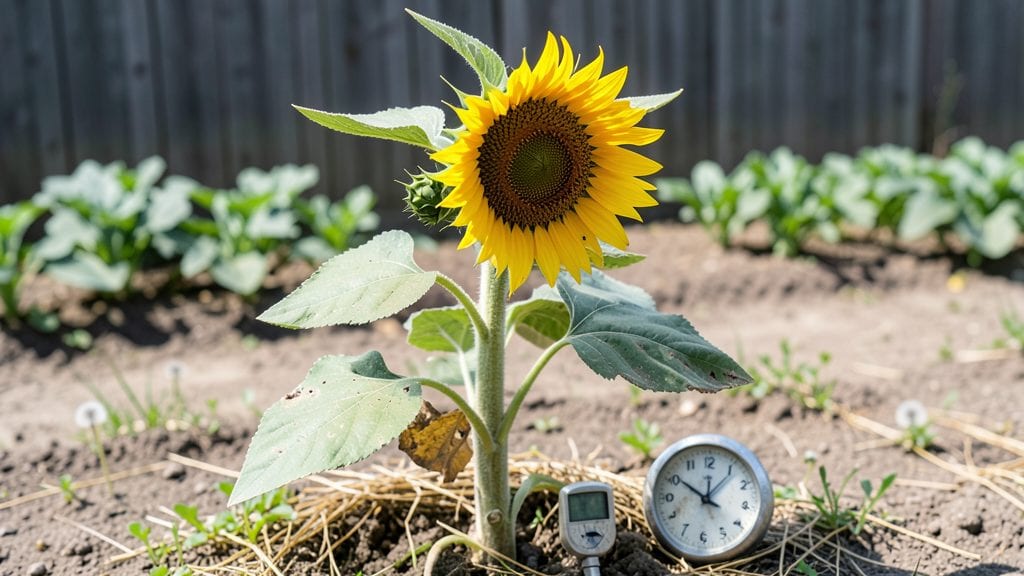
Determining how many hours count as full sun in gardening depends on plant type, but the standard is 6 to 8 hours of direct sunlight daily. Some hardy plants thrive with just 5–6 hours, while sun-lovers need 8+ hours. Your location and seasonal changes also play a key role in meeting these requirements.
Understanding full sun exposure isn't just about hitting a number—it's about matching your plants' needs to the actual light they receive. 🔥 For example, a desert-dwelling cactus might need 8+ hours of unfiltered sun, while a shade-tolerant fern could struggle with even 6 hours.
The key is observing how your plants react: yellowing leaves or stunted growth often signal too much or too little light. I always recommend testing your garden's sunlight with a simple sunlight tracker for a few weeks to get an accurate baseline before planting.
Seasonal shifts complicate things further. A spring day might deliver 6 hours of sun, but summer could push that to 10+ hours—meaning your "full sun" plants might suddenly need afternoon shade.
Urban gardens with tall buildings or trees can also create microclimates where sunlight varies dramatically across just a few feet. Adjusting based on these factors ensures your plants thrive year-round, not just during peak growing seasons.
💡 In This Article
- How Sunlight Intensity Affects Plant Growth by Type
- Adjusting Sunlight Hours for Different Climates and Seasons
How sunlight intensity affects plant growth by type
Photosynthesis is where the magic happens, but plants hit their own light limits. The process peaks at 1,000-2,000 foot-candles of light (about what you'd get on a bright sunny day), but beyond 8 hours of this intensity, many plants experience photoinhibition—where excess light damages chlorophyll.
This is why desert plants like yucca need 8+ hours but still survive with their waxy leaves reflecting excess light, while tropical plants often wilt under the same conditions. 🌵
Vegetables show dramatic differences: Tomatoes and peppers thrive with 8+ hours of direct sun, producing 20-30% more fruit when fully satisfied, but lettuce and spinach max out at 4-6 hours—too much sun causes them to bolt prematurely.
Flowers follow similar patterns: Sunflowers need 6-8 hours to reach their full 12-inch diameter, while impatiens and ferns struggle above 4 hours. Shrubs like rosemary and lavender can handle 10+ hours thanks to their drought-adapted physiology, but hydrangeas prefer 4-6 hours to prevent leaf scorch.
Latitude creates major variations in sunlight intensity. At 30° North (like Phoenix), summer sun delivers 12+ hours of 90° angle sunlight—ideal for cacti but lethal to shade plants.
At 45° North (like Portland), summer days only provide 15 hours of daylight, but the sun stays lower in the sky, reducing intensity. This is why the same 6-hour rule might mean full sun in one climate but only partial sun in another.
Humidity also plays a role: Coastal areas with 70%+ humidity can make 6 hours feel like 4 hours due to diffused light from clouds.
Here's what happens when you get it wrong: Too little light causes etiolation—long, leggy stems with pale leaves as plants stretch for sunlight. Too much triggers oxidative stress, where excess photons create harmful free radicals. You'll see this as crispy leaf edges or white patches on foliage.
The solution? Observe your plants' canopy behavior: If leaves face east-west (perpendicular to sun), they're getting ideal light; if they lean toward the sun, they need more.
For precise planning, use the 80/20 rule: 80% of your garden should get 6-8 hours, while 20% can be dedicated to shade-lovers. Group plants by their needs—place sun-worshippers like marigolds together and shade-tolerant hostas near trees.
This creates microclimates where each plant gets its ideal light dose without competition. 🌿
Pro tip: Use a light meter or smartphone app to measure actual light levels. I've found that 6 hours of 90° summer sun delivers more energy than 8 hours of 45° spring sun—the angle matters just as much as duration.
Adjust your expectations based on these real-world measurements rather than just hours.