
Light Requirements
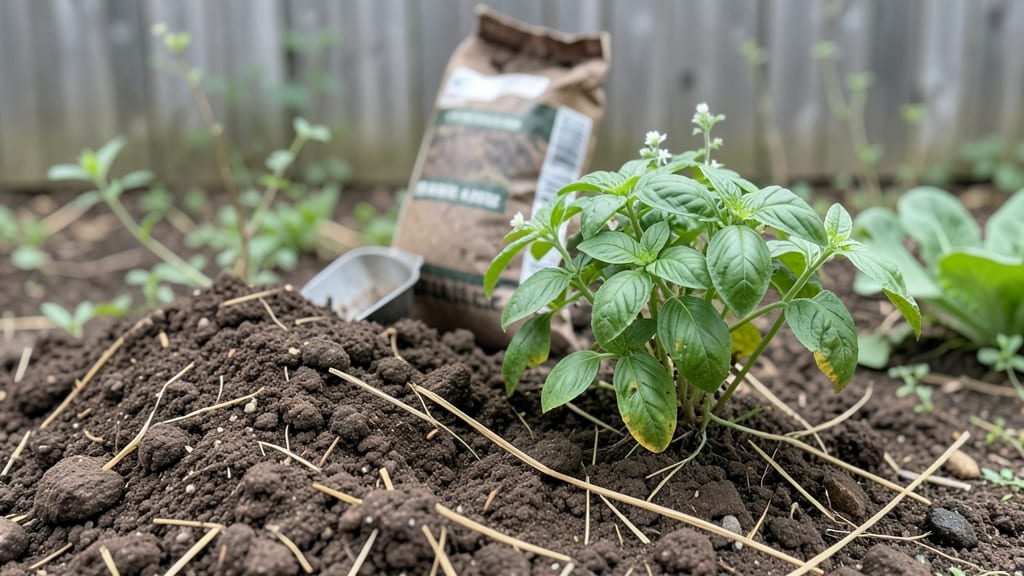
How much garden soil costs depends on type and quantity, with bagged options like potting mix or topsoil priced between $2–$6 per cubic foot, while bulk delivery runs $15–$50 per cubic yard. Organic blends cost more ($8–$12 per cubic foot) due to nutrient density, and specialty soils (cactus, raised-bed) often exceed $10 per bag.
The price you pay for garden soil depends heavily on whether you buy it in small bags or bulk. 🌱 For home gardeners working with raised beds or container plants, pre-mixed bags are convenient and affordable, while larger projects like vegetable gardens or landscaping benefit from bulk purchases.
I always recommend checking local suppliers first—many offer discounts for larger volumes or seasonal promotions that can cut costs significantly. Plus, mixing your own soil with compost or sand can reduce expenses while improving drainage and nutrient retention.
💡 In This Article
- Factors Affecting Garden Soil Pricing
- Cost-Saving Tips for Buying Garden Soil
Factors affecting garden soil pricing
The composition of garden soil directly impacts its price because different ingredients require varying levels of processing and sourcing. Organic soils, like those enriched with compost or worm castings, cost more because they undergo controlled decomposition processes that require time and energy.
For example, a bag of peat-based potting mix might cost around $4 per cubic foot, while a compost-amended blend can reach $12 per cubic foot due to the added microbial activity and nutrient density.
The key factor here is nutrient availability—organic matter breaks down slowly, releasing nutrients over time, which is why growers pay a premium for these blends.
Synthetic components like perlite or vermiculite also influence pricing. These minerals improve drainage and aeration but are mined and processed, adding to costs.
A bag of cactus or succulent soil, which contains 30-50% perlite for optimal drainage, can cost $10–$15 per cubic foot—nearly double the price of standard topsoil.
The science behind this is simple: perlite expands when heated, creating lightweight, porous particles that prevent root rot, but this expansion process requires industrial equipment and energy, driving up the price. 💫
Regional availability plays a massive role too. Locally sourced topsoil is often cheaper because it avoids transportation costs and carbon footprints. For instance, a cubic yard of topsoil might cost $15 in rural areas but jump to $30–$50 in urban centers due to delivery fees.
Imported specialty soils, like those from volcanic regions (e.g., Hawaiian lava rock), can exceed $20 per cubic foot because of shipping and rarity. The pH balance of the soil also affects pricing—acid-loving plants (like blueberries) require low-pH mixes, which need sulfur amendments, adding another layer to the cost.
Supplier type creates another pricing tier. Retail bags from garden centers are convenient but mark up costs for packaging and labor.
A 40-pound bag of potting mix (about 0.75 cubic feet) typically sells for $3–$5, while bulk delivery from a landscape supplier can drop the per-unit cost by 40–60%.
For example, buying 10 cubic yards of topsoil from a bulk supplier might cost $250 total ($25 per cubic yard), compared to $500 if purchased in 10 individual bags at $50 each).
Moisture retention is another hidden cost driver. Soils with high organic content (like coconut coir or sphagnum peat) hold water longer, reducing irrigation needs—but they’re pricier. A peat moss blend might cost $8–$10 per cubic foot because peat is slow to regenerate and must be harvested sustainably.
In contrast, sandier soils (like those for vegetable gardens) are cheaper ($2–$4 per cubic foot) but require more frequent watering. The trade-off is clear: higher upfront costs can mean lower long-term water bills and healthier plants. ✨
Finally, specialty soils cater to niche gardening needs. For instance, hydroponic clay pellets (used in soilless growing) can cost $15–$25 per cubic foot because they’re engineered for precise moisture control. Meanwhile, raised-bed soil mixes often include slow-release fertilizers, adding another $2–$4 per cubic foot to the base cost.
The lesson here? If you’re growing a single type of plant (like tomatoes or herbs), a custom blend might be worth the investment—but for general landscaping, standard topsoil offers the best value.