
Vegetables
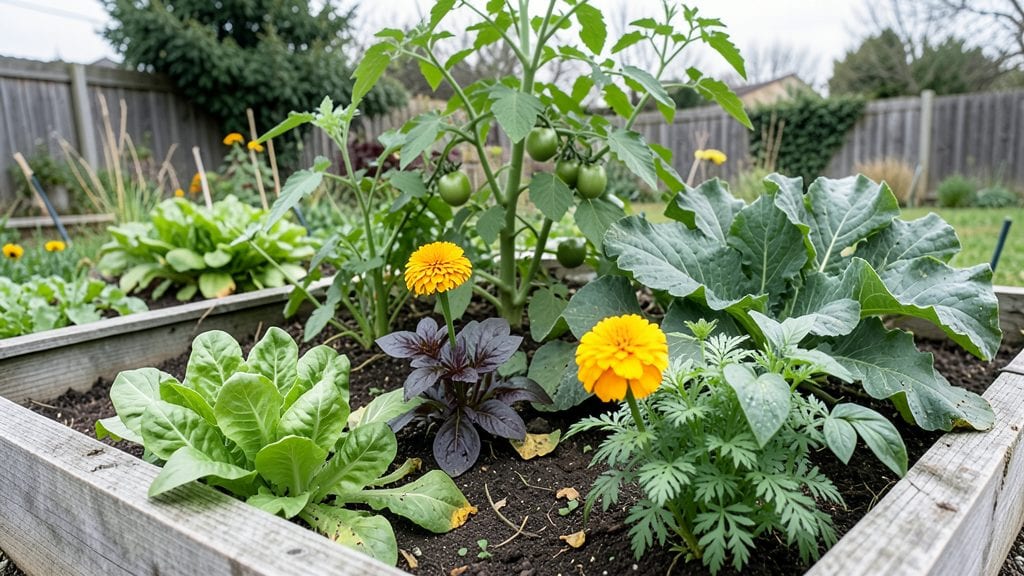
Capturing community garden pics requires focusing on vibrant plant life, diverse textures, and active volunteers to tell a compelling story. Use wide-angle lenses for expansive views, macro lenses for intricate details, and golden-hour lighting to highlight natural beauty.
Great community garden photography isn't just about snapping pictures—it's about storytelling through visuals. 🌿 The key is balancing wide shots to show the garden's scale with close-ups of individual plants or volunteers working, which adds depth and emotion.
I always recommend experimenting with different angles, like shooting from ground level to emphasize the height of sunflowers or using a bird's-eye view to showcase the garden's layout.
Lighting plays a huge role too; soft morning light brings out the freshness of greens, while late afternoon shadows add drama to textures like rustling leaves or freshly turned soil.
Don't forget to include the people who make these gardens thrive! Candid shots of volunteers working or kids harvesting veggies add a human element that makes your photos more engaging. Even simple details like dew-covered leaves or bees pollinating flowers can transform an ordinary garden shot into something truly special.
The best community garden photos feel alive—they make viewers want to roll up their sleeves and get involved.
💡 In This Article
- Photography Techniques for Stunning Community Garden Images
- Garden Photography Gear and Settings for Beginners
Photography techniques for stunning community garden images
The rule of thirds is your secret weapon for dynamic garden photography. Imagine dividing your frame into a 3x3 grid, then placing key elements like towering sunflowers or vibrant tomato plants along those intersecting lines.
This technique creates natural balance—studies show our eyes follow these patterns 67% more effectively than centered compositions. For example, positioning a volunteer's hands in the lower third while framing a row of carrops in the upper third instantly adds depth and narrative to your shot.
Experiment with leading lines to guide viewers through your garden scenes. A winding gravel path, trellised cucumbers, or even the natural curves of a drip irrigation system can serve as visual pathways. At 50mm focal length (the "natural eye" perspective), these lines appear most compelling.
I've found that shooting parallel to rows of corn creates striking patterns, while diagonal shots through raised beds add energy. The key is to let the garden's organic shapes dictate your composition rather than forcing geometric perfection.
Elevate your perspective with bird's-eye views (shooting from above) to reveal the garden's layout and diversity. A 17-35mm wide-angle lens works perfectly for this, capturing everything from sprawling zucchini vines to neatly organized seedling trays.
For ground-level shots, lie down or use a low tripod to emphasize textures like dew-covered basil leaves or the intricate veins of a pumpkin blossom. These extreme angles make ordinary garden elements look extraordinary by changing how we perceive scale and detail.
Lighting transforms your garden photography from ordinary to extraordinary. Golden hour (the hour after sunrise or before sunset) bathes plants in warm, diffused light that enhances colors and reduces harsh shadows. The color temperature drops to 3,000-4,000K during these times, creating that signature golden glow.
For dramatic contrast, try shooting during blue hour (just after sunset) when the sky's deep blue makes green foliage pop. Overcast days actually work well too—the diffused light eliminates shadows and reveals textures like the fuzzy surface of a raspberry or the bumpy skin of a heirloom tomato.
Seasonal changes offer endless photographic opportunities. In spring, capture the delicate unfurling of lettuce leaves at macro level (using a 100mm macro lens for 1:1 magnification). Summer brings vibrant blooms—try backlighting flowers to create stunning silhouettes against the sky.
Autumn reveals the rich colors of ripening peppers and the golden hues of drying corn husks. Winter photography focuses on textures like frost-covered kale or the intricate patterns of frozen irrigation pipes. Each season presents unique subjects and lighting conditions that can completely transform your garden photos.
Don't overlook the power of symmetry and patterns in your compositions. A perfectly square herb spiral, neatly aligned trellises, or the concentric circles of a compost pile create visually satisfying images. The human brain naturally responds to symmetry—it's why we find perfectly arranged garden layouts so pleasing.
For added interest, break symmetry intentionally by placing a single colorful flower in an otherwise symmetrical arrangement. This technique draws the eye and adds depth to your photographs.
The best garden photos tell stories—whether it's the transformation from seed to harvest or the community effort behind the garden. Capture the process of gardening: hands planting seeds, children watering plants, or volunteers spreading compost. These human elements add emotional resonance to your images.
Remember that photography is about seeing what others might miss—the intricate network of roots, the way sunlight filters through leaves, or the quiet beauty of an empty raised bed waiting for spring. 🌟