
Watering
Leaving a soaker hose on a vegetable garden typically requires 1 to 4 hours, depending on soil type, plant needs, and water pressure—sandy soil needs shorter sessions (30-60 minutes), while clay or heavy soil may require up to 4 hours. Monitor moisture levels to avoid overwatering or runoff.
Timing your soaker hose isn’t just about the clock—it’s about understanding how your garden breathes. 🌱 For instance, leafy greens like lettuce or spinach absorb water quickly, so 30-60 minutes is often enough to keep them hydrated without drowning their roots.
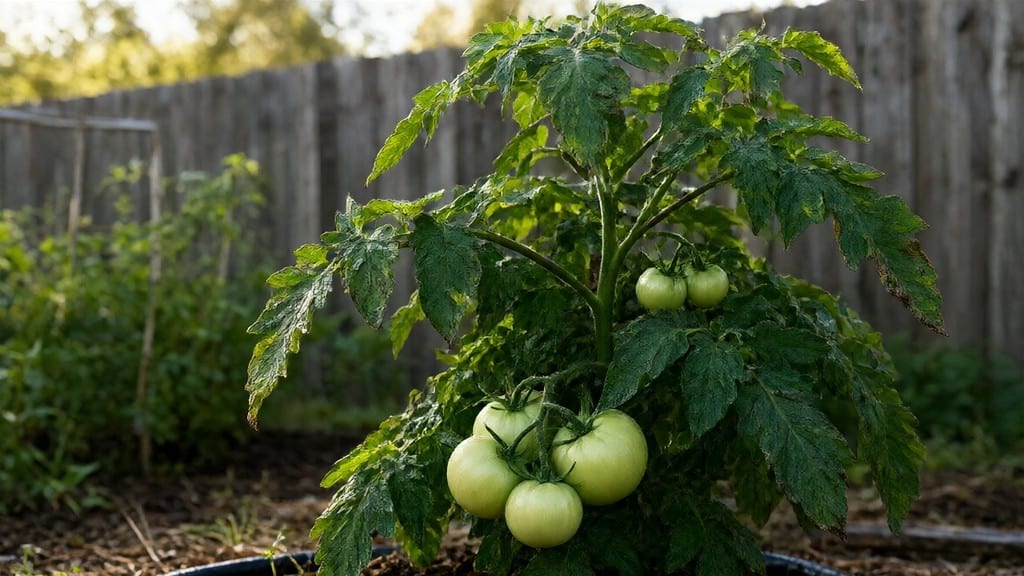
Meanwhile, heavy feeders like tomatoes or peppers may need 2-4 hours during peak summer heat, especially if your soil drains slowly. I’ve learned to check the top inch of soil first: if it’s damp, pause the hose; if it’s bone-dry, extend the session by 30 minutes and reassess.
Seasonal shifts also play a huge role—drought conditions demand longer runs, while rainy spells might mean you only need 15-20 minutes to top off moisture. Pro tip: Use a moisture meter or the old "squeeze test" (grab a handful of soil—if it crumbles, it’s thirsty) to fine-tune your schedule.
Overwatering here can leach nutrients just as much as underwatering stunts growth, so consistency beats guesswork every time.
💡 In This Article
- Soil and Plant Factors Affecting Soaker Hose Duration
- Adjusting Watering Time by Vegetable Type
Soil and plant factors affecting soaker hose duration
Soil composition dramatically alters how long you should run your soaker hose. Sandy soils drain water at a rate of about 1 inch per hour, meaning moisture disappears faster than clay soils, which can hold 2-3 times more water due to their tightly packed particles.
This difference forces shorter watering sessions—30-60 minutes for sandy gardens—while clay-heavy areas may need 2-4 hours to penetrate deeply enough. The key factor is the soil's hydraulic conductivity, which describes how quickly water moves through it.
Root depth plays a surprising role too. Shallow-rooted plants like lettuce or radishes only need water to reach 4-6 inches down, while deep-rooted crops such as carrots or tomatoes require saturation at 12-18 inches.
A soaker hose's water pressure (typically 15-30 psi) pushes moisture downward, but coarse soils resist this flow.
For example, tomato plants in clay soil might need 3-4 hours of soaker hose time to hydrate their full root zone, whereas the same plants in sandy soil could max out at 1 hour before water runs straight through.
Seasonal evaporation rates also dictate runtime adjustments. During summer, temperatures above 85°F can cause water loss at 0.25 inches per hour from evaporation alone, meaning you’ll need 50% longer soaker hose sessions compared to spring.
Humidity matters too—dry air in desert climates demands 1.5-2 times the watering duration of coastal gardens with higher moisture retention. Even rainfall patterns shift the equation: after 0.5 inches of rain, most vegetables only need 15-30 minutes of supplemental watering.
Plant maturity changes the equation dramatically. Seedlings with tiny root systems absorb water in 10-20 minutes, while established plants with extensive root networks may need 2-3 times longer.
For instance, a 4-week-old basil plant might thrive on 30 minutes daily, but a 3-month-old tomato plant could require 2 hours during peak heat. The rule of thumb? Younger plants need frequent, shallow watering, while mature plants benefit from deeper, less frequent soaker hose sessions to encourage root growth.
Here’s what’s actually happening underground: Water moves through soil via capillary action, where tiny pores create pathways for moisture. Clay soils have finer pores that hold water like a sponge, while sandy soils have larger pores that drain quickly.
This is why adding organic matter (compost or mulch) improves water retention—it creates a balance between drainage and moisture storage. For example, amending sandy soil with 2-3 inches of compost can reduce soaker hose time by 20-30% by slowing water loss.
Don’t overlook the role of mulch either. A 3-inch layer of straw or wood chips can reduce evaporation by 50-70%10-15% longer watering sessions in extreme heat. The bottom line? Test your soil’s moisture at 2-4 inches deep before deciding on runtime—this is where most plant roots actively seek water.