
Companion Plants
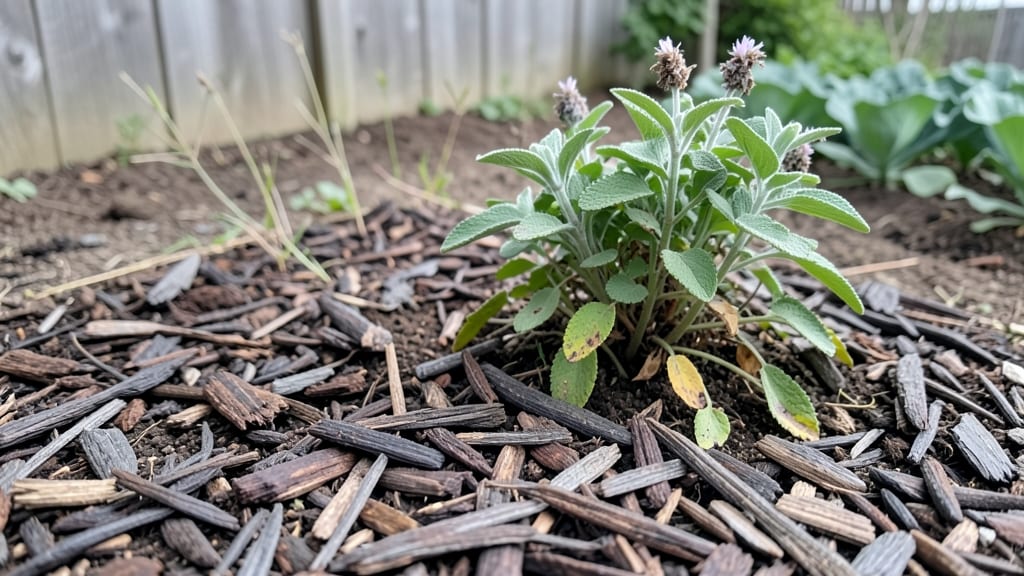
When you're picking mulch, the biggest red flags are chemically treated or preserved wood chips. 🔥 Creosote, used in railroad ties, releases toxic fumes that can linger in the soil for years, while CCA-treated wood leaches arsenic and copper, which are especially harmful to root systems.
Even natural woods like oak or cedar can be problematic if they're high in tannins, which lower soil pH and stunt plant growth over time.
If you're unsure about a wood chip's safety, look for certifications like UL GreenGuard or FSC-labeled options, which guarantee minimal chemical processing. Hardwood chips from untreated sources—like maple or birch—are generally safer, but always check for discoloration or chemical smells before using them in your garden beds.
💡 In This Article
- Toxic Wood Chips: Chemicals and Compounds to Avoid
- Safe Wood Chip Alternatives for Garden Mulch
Toxic wood chips: chemicals and compounds to avoid
Creosote, a coal-tar derivative used to treat railroad ties and utility poles, contains polycyclic aromatic hydrocarbons (PAHs) that persist in soil for decades. These compounds don't just sit idle—they slowly leach into groundwater, where they can contaminate drinking water sources.
Studies show PAHs from creosote-treated wood can reduce beneficial soil microbes by up to 40%, disrupting nitrogen cycles that plants rely on for growth.
The real danger lies in how creosote's toxic fumes linger even after the wood chips decompose. When freshly applied, they release volatile organic compounds (VOCs) that can irritate plant leaves, causing chlorosis (yellowing) in broadleaf plants like tomatoes and peppers.
The EPA classifies creosote as a Group 2B carcinogen, meaning prolonged exposure poses serious health risks—not just to plants but to gardeners working with the soil.
Chromated copper arsenate (CCA), once widely used in pressure-treated wood, contains arsenic—a metalloid that accumulates in plant tissues. Just 1 gram of CCA-treated wood chips can release enough arsenic to exceed safe soil limits for vegetable gardens.
The copper component further disrupts microbial activity, creating a double-edged problem: stunted root growth from arsenic toxicity and poor soil structure from copper buildup.
Even "natural" woods like oak and cedar pose risks when their tannin content exceeds 5-8% dry weight. Tannins act as natural preservatives, but in high concentrations, they acidify soil (dropping pH below 6.0), which locks out essential nutrients like phosphorus and calcium.
Cedar chips, while aromatic, contain thujone, a compound that can inhibit seed germination in sensitive plants like lettuce and carrots.
Here's what happens when these compounds interact with your garden ecosystem: creosote disrupts mycorrhizal fungi (critical for root health), CCA poisons earthworms (which aerate soil), and tannins create a hostile environment for beneficial bacteria.
The result? Plants struggle to uptake water and nutrients, leading to stunted growth or complete crop failure in severe cases.
The leaching process is insidious—it doesn't happen overnight. Arsenic from CCA-treated wood, for example, can persist in soil for 20+ years, while tannins may take 3-5 years to fully decompose. This means even if you remove the offending mulch, your soil's health could remain compromised for years.