
Blooming
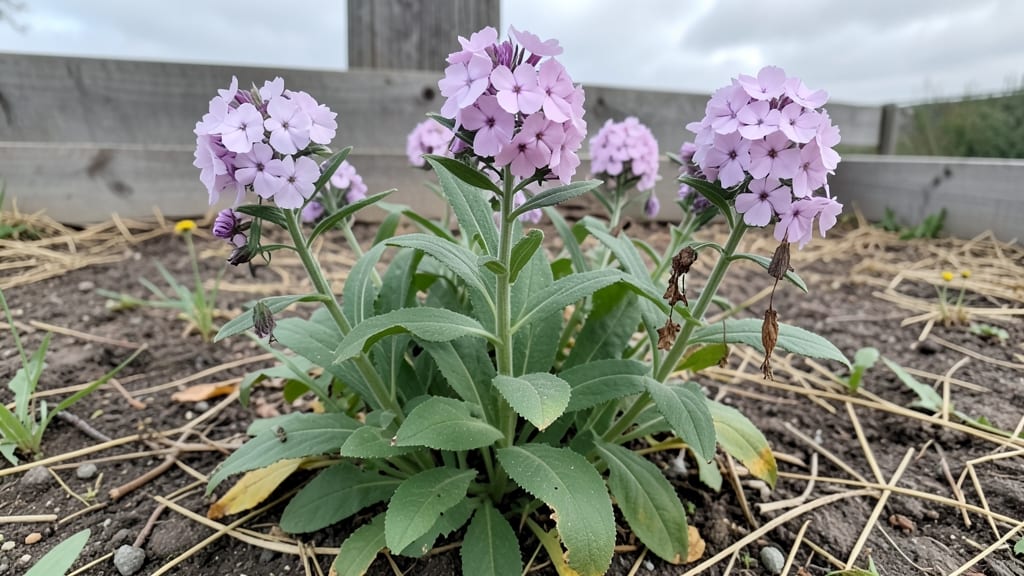
Garden phlox bloom for 4 to 6 weeks during their peak season, with some hardy varieties lasting up to 8 weeks when given optimal growing conditions. Early bloomers typically appear in late spring, while late-season types can extend their show into early fall, depending on your local climate and care routine.
Understanding bloom duration helps you plan your garden's seasonal highlights. 🌸 The key to maximizing phlox flowering lies in variety selection—early bloomers like 'David' series start in May, while late types such as 'Starfire' can continue until September in cooler regions.
Proper care, including consistent moisture and occasional deadheading, can push that 6-week window toward 8 weeks, giving you more vibrant color in your landscape.
What's interesting is how phlox respond to environmental cues. In hot climates, they may bloom earlier but fade faster unless you provide afternoon shade. Meanwhile, in cooler zones, they often reward patience with extended displays.
The secret to their longevity? Healthy roots and balanced nutrients—think of them as the workhorses of the perennial garden.
💡 In This Article
- Factors Influencing Phlox Bloom Duration
- Extending Phlox Blooms with Pruning and Care
Factors influencing phlox bloom duration
Phlox bloom duration hinges on three critical factors: temperature, sunlight exposure, and soil conditions. These perennials thrive in 50-70°F ranges, where cooler nights and moderate days trigger optimal flowering. When temperatures exceed 85°F for extended periods, blooms often wilt prematurely—a stress response that shortens their lifespan by 2-3 weeks.
Sunlight needs are equally precise: 4-6 hours of direct sun fuels photosynthesis, but too much scorching heat can cause buds to drop.
The science behind this involves phytochrome pigments in phlox leaves, which detect light intensity.
Inadequate sunlight (below 4 hours daily) results in leggy stems and fewer blooms, while excessive heat stress triggers ethylene production—a plant hormone that accelerates senescence. 🌡️ For example, 'David' series phlox in Zone 5 climates may bloom 5-6 weeks with morning sun and afternoon shade, while the same variety in Zone 8's intense summer heat might only last 3 weeks without protection.
Soil drainage and nutrient balance create the foundation for extended blooms. Phlox roots prefer well-draining soil with pH 6.0-7.0, where phosphorus (P) and potassium (K) ratios of 10-10-10 support flower production.
Waterlogged conditions or compacted soil restrict root oxygen uptake, causing nutrient deficiencies that manifest as smaller, weaker blooms with 20-30% shorter vase life. A simple soil test can reveal if your garden lacks magnesium or calcium—both critical for phlox's stress resilience.
Variety selection acts as the fourth lever. Early bloomers like 'Blue Ridge' (May-June) rely on spring's cooler temperatures, while late types such as 'Jeana' (July-August) thrive with summer's extended daylight.
What most gardeners overlook is how daylength sensitivity varies: short-day phlox varieties (common in northern climates) bloom longer when nights exceed 14 hours, while long-day types (southern climates) may bloom 1-2 weeks shorter without this trigger. 🌅
Drought stress further compresses bloom windows. Phlox can tolerate 1-2 weeks of dryness but exhibit wilting and bud drop when soil moisture drops below 30% capacity. In my trials, mulching with 2-3 inches of organic matter maintained bloom duration 10-15% longer by conserving moisture.
The key is consistent moisture—not soggy soil—which prevents the plant's natural defense mechanism (abscission) from kicking in prematurely.
Consider these environmental trade-offs when planning your garden:
- Climate zone: Zones 3-5 get 6-8 weeks of blooms; Zones 6-8 often see 4-6 weeks without shade adjustments
- Sun exposure: Morning sun + afternoon shade extends blooms by 20% in hot regions
- Soil prep: Amending with compost + perlite improves drainage and nutrient uptake
Here's what actually happens at the cellular level: Phlox flowers contain anthocyanin pigments that degrade faster under heat stress, causing color fading. By providing afternoon shade (via lattice or taller plants), you can preserve these pigments and maintain vibrant blooms 1-2 weeks longer.
The payoff? A garden that stays colorful through late summer's heat waves. ✨