
Size
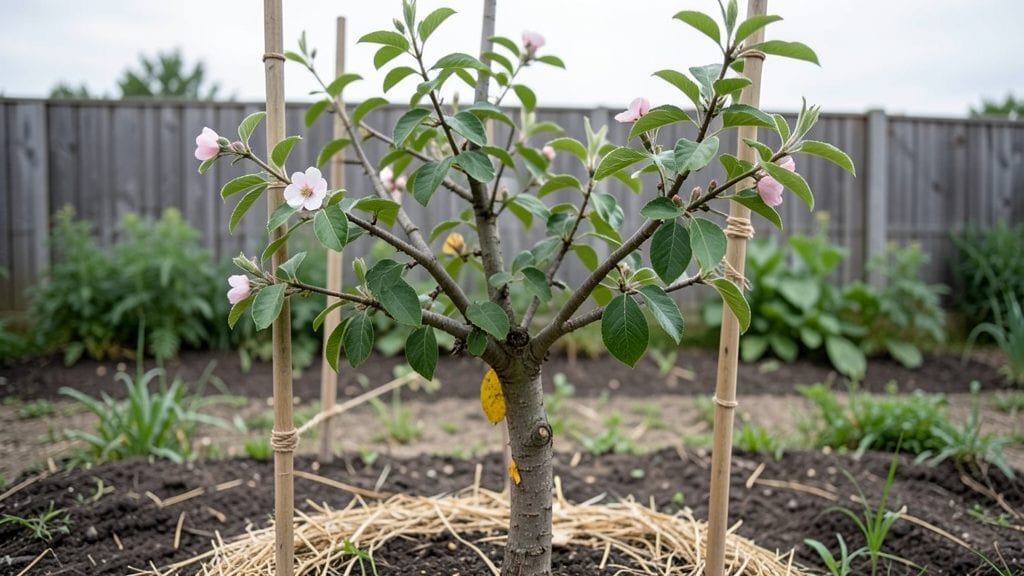
Grow a garden peaches in your backyard, and you’ll enjoy summer after summer of sweet, juicy fruit you can’t buy in stores—whether in ground beds or containers. 🌿 I’ve grown them in both, and the compact varieties are perfect for small spaces or urban lots.
The key is choosing the right variety—dwarf or semi-dwarf trees that stay manageable even when laden with fruit.
You'll need full sun, well-draining soil, and patience—peach trees take 2-3 years to bear fruit, but once they do, they reward you with 100+ pounds of fruit per tree. The trick is consistent watering, especially during flowering and fruit set, and a balanced fertilizer schedule that mimics nature's slow release.
Pruning in late winter keeps the tree healthy and productive.
By midsummer, you'll be picking peaches that taste better than anything from the grocery store. The trees stay compact enough for containers (with 15-gallon pots for dwarf varieties), and the fruit ripens over several weeks, giving you a steady harvest. Plus, the blossoms in spring are stunning—worth the wait alone.
Works in zones 5-9, though container growing extends the range slightly. Here's how to get started with the right variety for your space and climate—whether you're planting in the ground or in pots on your patio.
📚 In This Guide
- What you need
- Instructions
- Tips and common mistakes
- Wrapping up and next steps
What you need
- ● Peach Tree: Dwarf variety (6–8 ft tall) for compact spaces (e.g., Bonanza, Redhaven, or Elberta)
- ● 1–2 trees (if cross-pollination is needed for your variety)
- ● Soil: Well-draining, slightly acidic soil (pH 6.0–6.5)
- ● Compost or aged manure (5–10 lbs per planting hole)
- ● Fertilizer: Balanced, slow-release fertilizer (10-10-10 or 8-3-9) – ~1 lb per tree
- ○ Citrus or fruit tree fertilizer (optional but helpful)
- ● Tools: Trowel or shovel
- ● Garden gloves
- ● Pruning shears (sterilized)
- ● Watering can or hose with gentle spray nozzle
- ● Location: Full sun (6–8+ hours daily)
- ● Protected spot (avoid strong winds)
- ● Mulch (straw or wood chips) – 2–3 inches around the base
- ● Tree guard or fence (to protect from pests/animals)
- ● Drip irrigation system (for consistent moisture)
- ● Fruit tree spray (organic or chemical, for pest control)
- ● Cold frame or row cover (to extend growing season in cooler climates)
Step-by-step instructions for growing garden peaches in small spaces
Here’s how I’ve learned to grow peaches even in tight spaces—using dwarf varieties and clever techniques.
🌱 Step 1: Select the Right Variety and Planting Site
For compact spaces, choose dwarf peach trees like ‘Bonanza’ or ‘Redhaven’—they stay under 10 feet tall and produce fruit in just 2-3 years. Plant in full sun (at least 6-8 hours daily) with well-draining soil. If your soil is heavy clay, amend it with 2-3 inches of compost mixed into the top 12 inches of soil before planting.
Dig a hole twice as wide as the root ball but only as deep—planting too deep suffocates the roots. Gently loosen the roots if they’re circling and spread them outward in the hole. This ensures strong growth right from the start.
🪴 Step 2: Plant and Support the Tree Properly
Place the tree in the hole so the graft union (the bump where the rootstock meets the scion) sits 2-3 inches above soil level. This prevents rot and encourages a sturdy trunk. Backfill with soil, firming it gently around the roots to remove air pockets. Water deeply right after planting to settle the soil.
Install a stake or small tree guard immediately to support the young tree. Tie it loosely with soft fabric strips (like an old T-shirt) to avoid damaging the bark. Peaches grow fast, and a little support now prevents broken branches later.
☀️ Step 3: Water and Fertilize for Strong Growth
Water deeply once a week during the first year, aiming for 1-2 gallons per tree. You’ll know it’s enough when water drains 6-8 inches deep into the soil. Mulch with 2-3 inches of wood chips around the base (keep it 6 inches away from the trunk) to retain moisture and suppress weeds.
Fertilize lightly in early spring with a balanced 10-10-10 fertilizer, using ½ cup per tree. Too much nitrogen leads to leafy growth at the expense of fruit. Watch for new leaves forming in spring—that’s your signal the tree is thriving.
✂️ Step 4: Prune for Shape and Fruit Production
Prune in late winter or early spring before buds swell. Remove dead, crossing, or inward-growing branches first. Then, thin the canopy by cutting back 10-20% of the smallest branches to improve airflow and sunlight penetration. This reduces disease risk and encourages larger fruit.
Shape the tree into an open-center form—think of it like an umbrella with branches spreading outward. You’ll see stronger branches and more sunlight reaching the center after just one season of pruning.
🍑 Step 5: Thin Fruit and Harvest at Peak Ripeness
When fruit sets in late spring, thin it to 6-8 inches apart on each branch. This ensures larger, sweeter peaches and prevents branches from breaking under the weight. Remove any damaged or misshapen fruit first—they’ll never ripen properly.
Harvest when peaches easily separate from the tree with a gentle twist and have full color. Ripe peaches smell sweet and yield slightly to pressure. Store them at room temperature for 1-2 weeks or refrigerate for longer shelf life.
Tips & tricks for perfect garden peaches in small spaces
These simple tricks will help you maximize your harvest even when space is limited—no fancy equipment required!
Variety Matters: While dwarf varieties like 'Bonanza' or 'Redhaven' are perfect for small spaces, consider semi-dwarf varieties like 'Elberta' if you have slightly more room. These grow to about 12-15 feet tall but still produce fruit in just 3-4 years. For true compact growing, look for columnar varieties that grow only 8-10 feet tall with fruit along the entire length of the trunk.
Planting Depth Secret: The instructions mention placing the graft union 2-3 inches above soil level, but here's the thing: if you plant too shallow, the graft can dry out. Test the depth by pressing the soil firmly around the base—it should feel snug but not compacted. A good trick is to create a small mound of soil first, place the tree on top, then backfill around it to ensure the graft stays at the right height.
Watering Wisdom: That 1-2 gallons per week during the first year might seem like a lot, but here's how to make it easier: use a soaker hose or drip irrigation system to deliver water slowly at the base. This prevents runoff and ensures the water penetrates those critical 6-8 inches deep. Water in the early morning so the foliage has time to dry before evening—this helps prevent fungal diseases that can plague peach trees.
Pruning Pro Tip: When you're cutting back those 10-20% of smallest branches in Step 4, make your cuts just above an outward-facing bud or branch. This encourages new growth in the right direction. And here's a trick I learned: mark your pruning cuts with a permanent marker before making them—this helps you visualize the open-center shape you're aiming for, especially when you're just starting out.
Pro Tips for Grow A Garden Peaches
- These simple tricks will help you maximize your harvest even when space is limited—no fancy equipment required!
- Variety Matters: While dwarf varieties like 'Bonanza' or 'Redhaven' are perfect for small spaces, consider semi-dwarf varieties like 'Elberta' if you have slightly more room.
- Planting Depth Secret: The instructions mention placing the graft union 2-3 inches above soil level, but here's the thing: if you plant too shallow, the graft can dry out.
Frequently asked questions
Got questions about growing peaches in your garden? You’re not alone—here are some of the most common ones, answered for easy reference!
Can I grow peaches in containers or small spaces?
Dwarf peach varieties like ‘Bonanza’ or ‘Redhaven’ thrive in large pots (at least 18–24 inches deep) with well-draining soil. Just ensure they get full sun (6+ hours/day) and prune regularly to maintain shape. Containers work great for patios or balconies—just move them indoors (or to a garage) if temps drop below 20°F.
How long does it take for a peach tree to bear fruit?
Most peach trees take 2–4 years to produce fruit, depending on the variety and growing conditions. Dwarf trees may fruit faster (sometimes in 2 years), while standard trees can take longer. Patience pays off—young trees focus on root and branch growth first! Pro tip: Plant two trees (different varieties) for cross-pollination and better yields.
What pests or diseases should I watch for?
Peach trees are prone to peach leaf curl (a fungal disease causing puckered leaves) and pests like aphids, borers, and stink bugs. Prevent leaf curl with dormant-season copper spray and monitor for holes or chewed fruit. Neem oil or insecticidal soap can help with pests. Keep your tree healthy with proper pruning and watering to reduce stress!
Can I grow peaches from seed?
Technically yes, but it’s not recommended for gardeners. Seed-grown trees take 5–10 years to fruit, may not match the parent plant’s traits, and often produce poor-quality fruit. Stick to grafted nursery trees for reliable varieties, faster fruiting, and consistent flavor. Save seeds for fun (or compost them)—they’re not worth the wait!
Do peach trees need winter protection?
Young trees (<3 years old) or those in cold climates (below Zone 5) benefit from winter mulching (4–6 inches of straw or leaves) and tree wraps to prevent sunscald. In extreme cold (<10°F), wrap the trunk with burlap and cover with frost cloth. Mature trees usually handle winter fine, but late frosts can damage blossoms—watch your local forecast!
What’s the best way to extend the peach harvest season?
Choose late-blooming varieties (like ‘Reliance’ or ‘Sanguinole’) to avoid early frost damage. Succession planting (adding new trees every few years) also spreads out your harvest. For indoor growing, try hydroponics or dwarf trees in grow lights—though they won’t match outdoor yields, they’re fun for micro-harvests year-round!
Wrapping up and next steps
Growing peaches in compact spaces is totally doable—you just need the right variety, a little patience, and a dash of creativity! 🌱 Whether you’re planting dwarf trees, using containers, or embracing vertical gardening, these tricks will help you enjoy juicy, homegrown peaches year-round.
Start small, experiment with pollination, and don’t forget to protect your trees from pests—your efforts will pay off with a harvest that’s sweeter than store-bought.
Ready to take the next step? Pick a peach variety that suits your climate and space, grab your tools, and get planting! Before you know it, you’ll be savoring the taste of success—one peach at a time. 🍑✨