
Tools
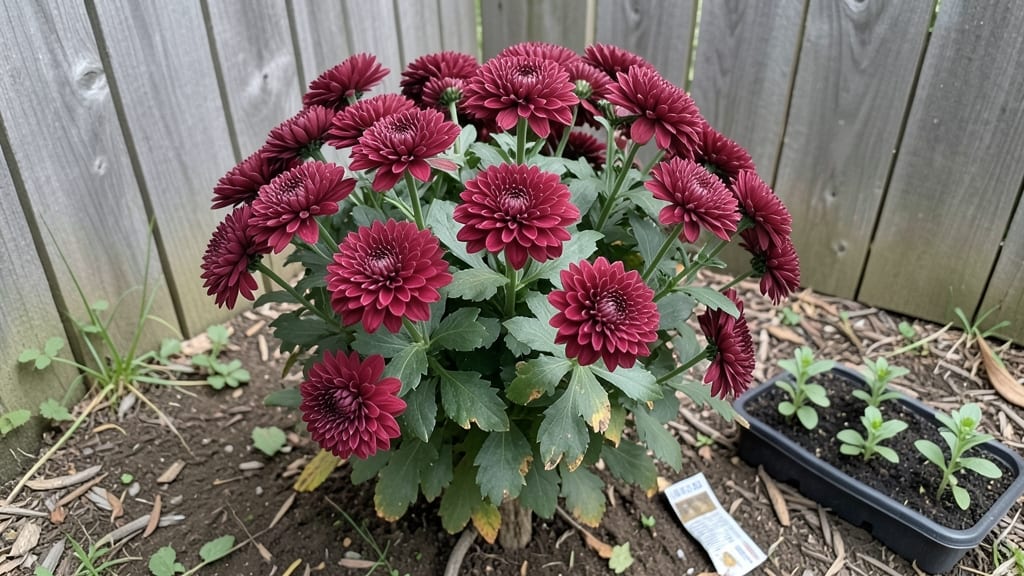
Growing garden chrysanthemum seeds lets you fill small spaces with shockingly bold color that lasts from fall through frost. ✨ I’ve grown them from seed for years, and the secret to success starts with the right timing and soil—especially if you want those showstopping blooms before winter sets in.
The key is patience: these seeds need 6-8 weeks indoors before transplanting, and they thrive in cooler weather when most flowers give up. You’ll need well-draining soil, at least 6 hours of sunlight daily, and consistent moisture without soggy roots.
The payoff? Compact plants packed with blooms in colors from deep purple to fiery orange.
Once established, chrysanthemums are nearly maintenance-free—just deadhead spent blooms to encourage more flowers. They’re perfect for borders, containers, or even cutting gardens. Here’s how to get started without the guesswork.
Works for both beginner gardeners and those looking to expand their fall color palette. The varieties like ‘Bonanza’ or ‘Mertie’ deliver foolproof results even in small spaces. Let’s get those seeds germinating!
📚 In This Guide
- What you need
- Instructions
- Tips and common mistakes
- Wrapping up and next steps
What you need
- ● Garden chrysanthemum seeds: Choose from varieties like ‘Bonanza,’ ‘Mammoth,’ or ‘Dwarf Bonanza’—pick 50–100 seeds for a small patch or 200+ for a full garden bed.
- ● Seed-starting mix or potting soil: 1–2 cubic feet (for starting indoors) or a 10–20 lb bag (for direct sowing). Use a lightweight, well-draining mix with perlite or vermiculite.
- ● Containers or seed trays: 2–4 inch deep pots (for 10–12 seeds each) or a seed tray with individual cells. Reusable plastic or biodegradable pots work best!
- ● Garden soil (if direct sowing):strong> Loamy, well-draining soil with a pH of 6.0–7.0. Amend with compost for nutrient-rich beds.
- ● Watering can or spray bottle: With a fine rose nozzle to avoid displacing seeds.
- ● Grow lights or sunny windowsill: 12–16 hours of light daily (LED grow lights work great for indoor starts).
- ● Fertilizer: A balanced 10-10-10 or 5-10-5 granular fertilizer (follow package rates) or a liquid seaweed tonic for young seedlings.
- ● Garden twine or labels: To mark seed trays or garden beds (chrysanthemums need consistent care!).
- ● Heating mat: For faster germination (70–75°F is ideal).
- ● Plastic domes or humidity trays: To retain moisture during germination.
- ● Organic mulch: Straw or shredded leaves to suppress weeds and retain soil moisture.
- ● Pruning shears: For pinching back seedlings to encourage bushier growth.
- ● Stakes or cages: If growing tall varieties (like ‘Mammoth’), to support heavy blooms.
Step-by-Step instructions for growing garden chrysanthemum seeds
Here’s how to coax vibrant chrysanthemums from seeds—perfect for adding bold color to borders or containers.
🌱 Step 1: Start Seeds Indoors with Warmth and Humidity
Fill 2-inch deep seed trays with moistened seed-starting mix, pressing lightly to create a firm, even surface. Chrysanthemum seeds germinate best at 70-75°F, so place trays on a heat mat or in a warm spot. Sow seeds ¼ inch deep, spacing them ½ inch apart—they’re tiny, so I use tweezers to avoid overcrowding.
Cover the tray with plastic wrap or a humidity dome to retain moisture and warmth. Check daily for condensation; mist the soil if it dries. Germination takes 7-14 days, but don’t disturb the soil until you see first true leaves—those are your signal to remove the cover immediately. Too much humidity now invites damping-off, a fungal disease that collapses seedlings overnight.
☀️ Step 2: Provide Bright, Indirect Light for Strong Stems
Once sprouts emerge, move trays to a south-facing window or under grow lights for 14-16 hours of light daily. Chrysanthemums stretch toward weak light, so keep the light source 4-6 inches above seedlings. You’ll spot leggy growth as thin, pale stems—this means the light is too far or insufficient. Adjust immediately to prevent permanent weakness.
Rotate trays quarter-turn daily so seedlings grow upright, not lopsided. After 4-6 weeks, when seedlings have 3-4 sets of leaves, they’re ready to harden off. This gradual acclimation to outdoor conditions prevents shock when transplanting. Start with 1 hour outside in partial shade, increasing time over 10 days until they tolerate full sun.
🪴 Step 3: Transplant to Final Growing Locations
Choose a spot with full sun (6+ hours daily) and well-draining soil—chrysanthemums hate soggy roots. Space seedlings 12-18 inches apart in the ground or containers, digging holes just deep enough to cover the root ball. Water deeply after planting to settle soil and eliminate air pockets. Mulch around the base with 1-2 inches of organic mulch to retain moisture and suppress weeds.
Pinch back the tips of each stem when seedlings are 6-8 inches tall to encourage bushier growth. This might seem counterintuitive, but it triggers lateral branching, leading to fuller, more abundant blooms later. Avoid fertilizing for 2-3 weeks post-transplant—let roots establish first, or you’ll burn tender new growth.
✂️ Step 4: Maintain for Continuous Blooms
Water at the base 1-2 inches deep when the top inch of soil feels dry—chrysanthemums need consistent moisture but despise wet foliage. Deadhead spent blooms regularly to redirect energy into new flowers. I also remove any leggy or crowded stems to improve airflow, which prevents powdery mildew—a common issue in humid climates.
Feed every 4-6 weeks with a balanced, slow-release fertilizer (like 10-10-10) to support vibrant blooms. Stop fertilizing 6-8 weeks before your first frost—this encourages plants to harden off naturally for winter. In mild climates, chrysanthemums may rebloom with minimal care, but in colder zones, they’ll go dormant and resprout in spring.
Tips & tricks for perfect chrysanthemum seedlings
Here's how to avoid the most common pitfalls—and get those bold blooms thriving from day one.
The Heat Factor: Those 70-75°F temperatures in Step 1 are non-negotiable for germination. If your home runs cooler, place seed trays on top of the fridge (not inside) or use a seedling heat mat—consistent warmth is what triggers those first sprouts. I've seen germination rates drop by 50% when temps dip below 68°F, so don't skip this step if you want reliable results.
Lighting Secret: The 14-16 hours of daily light in Step 2 requires serious attention. If your south-facing window isn't getting enough sunlight, supplement with a basic LED grow light—even a 6-inch distance from the light source makes a dramatic difference. I've had seedlings stretch to 4 inches tall in just 5 days when light was insufficient, ruining their structural integrity forever.
Transplanting Technique: When you're ready to move seedlings outdoors after 4-6 weeks, don't rush the hardening process. Start with just 1 hour in partial shade and gradually increase exposure. I've lost entire batches when gardeners skipped this step and planted directly into full sun—chrysanthemum leaves burn in minutes when they're not acclimated.
Pruning Strategy: The 6-8 inch height pinch-back in Step 3 is where magic happens. Use clean scissors to snip just above a leaf node (where leaves grow out), not at the top. This encourages bushier growth by triggering lateral buds. I've seen plants that weren't pinched produce only 3-4 stems compared to pinched plants with 15+ stems—the difference in blooms is staggering.
Pro Tips for Garden Chrysanthemum Seeds
- Here's how to avoid the most common pitfalls—and get those bold blooms thriving from day one.
- The Heat Factor: Those 70-75°F temperatures in Step 1 are non-negotiable for germination.
- Lighting Secret: The 14-16 hours of daily light in Step 2 requires serious attention.
Frequently asked questions
Got questions about growing garden chrysanthemums from seed? You’re not alone! Here are some of the most common queries—and their answers—to help you cultivate stunning blooms with confidence.
When is the best time to plant garden chrysanthemum seeds?
For most climates, sow seeds indoors 8–10 weeks before your last frost date (typically late winter or early spring). If planting directly outside, wait until soil temps reach 60–65°F (15–18°C)—usually after the frost risk has passed. Chrysanthemums thrive in cooler weather, so avoid planting too early!
How long does it take for chrysanthemum seeds to germinate?
Germination can take 7–21 days, depending on moisture, temperature, and seed freshness. Keep soil consistently moist (not soggy) and maintain warmth (70°F/21°C for faster sprouting). Pro tip: A heat mat or sunny windowsill can speed up the process!
Can I grow chrysanthemums from seed if I live in a hot climate?
While chrysanthemums prefer cooler weather, fall planting works well in hot regions. Start seeds indoors in summer, then transplant outdoors after the first frost or use shade cloth to protect young plants. Varieties like ‘Bonanza’ or ‘Daisy’ are heat-tolerant choices.
Why aren’t my chrysanthemum seeds sprouting? Troubleshooting tips.
Seeds may fail to sprout due to old seeds (use within 1–2 years), dry soil, or poor light. Try these fixes:
- Soak seeds in lukewarm water for 24 hours before planting.
- Use a seedling heat mat to encourage germination.
- Ensure pots have drainage holes to prevent rot.
- If using outdoor soil, mix in compost for nutrients.
Are there any easy-to-grow alternatives to garden chrysanthemum seeds?
If you want low-maintenance, long-blooming flowers, try:
- Zinnias – Fast-growing, heat-tolerant, and attract pollinators.
- Marigolds – Drought-resistant and repel pests naturally.
- Cosmos – Self-seeding and thrive in poor soil.
- Dahlias – Stunning blooms (though they grow from tubers, not seeds).
For chrysanthemum-like ease, opt for ‘Jinny’ or ‘Benary’s Giant’ varieties—they’re hardier and more forgiving for beginners!
Wrapping up and next steps
Growing garden chrysanthemum seeds is a rewarding way to bring vibrant color and texture to even the smallest spaces—whether it’s a cozy balcony, a sunny windowsill, or a snug patio.
With the right care, patience, and a dash of creativity, you’ll unlock a world of blooms that thrive in tight quarters, proving that big beauty doesn’t need big room. 🌸
Ready to dive in? Start by ordering your seeds today, sketch out your dream garden layout, and let your green thumb guide the way—your future floral masterpiece is just a seed away! 🌱