
Pests
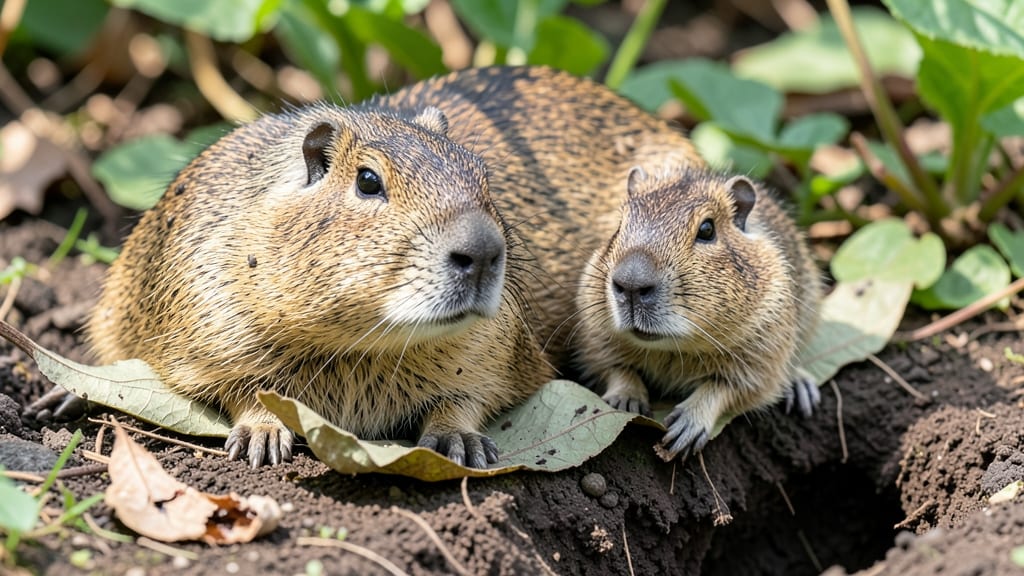
Groundhogs in the garden mean half-eaten plants and vanished seedlings before they even sprout. 🌱 I learned the hard way—after losing my entire tomato patch to a burrow system last spring, I swapped frustration for a humane plan that actually works.
These furry engineers don’t just dig tunnels; they turn gardens into their personal salad bars overnight.
The good news? You don’t need poison or traps that harm them—just smart deterrents. Heavy-duty fencing (at least 3 feet deep), habitat tweaks like removing brush piles, and natural repellents (like castor oil-based sprays) send them packing without cruelty.
Even my black thumb’s garden stayed intact after implementing these steps last season.
You’ll reclaim your garden without guilt, watching your plants thrive instead of getting munched. The key is consistency—groundhogs learn fast, so combine physical barriers with scents they hate (like predator urine or strong-smelling herbs). Once they realize your yard isn’t a buffet, they’ll move on.
For stubborn cases, professional relocation services exist—but first try these methods. The goal is harmony, not war. Your garden (and the groundhog’s next-door neighbor) will thank you.
What Draws Them In
Groundhogs—also known as woodchucks—don’t randomly invade your garden. Their presence is almost always the result of a mix of natural instincts, habitat needs, and human activity. Understanding these triggers is the first step to preventing future visits. Let’s break down the key reasons these burrowing rodents seek out your yard.
Groundhogs are primarily herbivores, and your garden is essentially an all-you-can-eat buffet for them.
Their diet includes: - Tender shoots and young plants (like beans, peas, and lettuce) - Fruits and vegetables (especially berries, tomatoes, and corn) - Grasses and clover (which provide fiber and moisture) - Tree bark and roots (if other food sources are scarce)
Why it matters: A well-maintained garden with lush, edible plants sends a clear invitation. Groundhogs have excellent senses of smell and taste, and they’ll dig where the food is plentiful. Even a single unprotected tomato plant can lure them in.
Actionable tip: 💡 If you’ve noticed groundhog activity, inspect your garden for signs of nibbling (ragged edges on leaves, missing plants) and remove or protect vulnerable crops.
Groundhogs prefer open fields with easy access to food but also need secure dens to hide from predators (like coyotes, foxes, and hawks).
Your garden may offer: - Undisturbed soil (loose, easy-to-dig ground near fences, sheds, or woodpiles) - Overgrown vegetation (brush piles, thick grass, or untrimmed shrubs) - Existing burrows (from previous groundhogs or other animals like rabbits)
Why it matters: A female groundhog will dig a deep burrow system (up to 30 feet long!) for her young, often near a food source. If your yard has soft soil and few predators, it becomes an ideal real estate opportunity.
Actionable tip: 🔥 Scan your property for fresh mounds of dirt (a sure sign of digging) or tunnels near structures. If you find one, consider humane relocation before they expand their territory.
In urban and suburban areas, groundhogs face fewer threats than in the wild. Without natural checks like:
- Coyotes (their primary predator)
- Bobcats or foxes (which hunt young groundhogs)
- Owls and hawks (which may take eggs or juveniles)
Why it matters: Groundhogs become bolder in areas where they don’t fear being eaten. If they’ve claimed your garden without consequence, they’re more likely to stick around—and even expand their family.
Actionable tip: 🌡️ If you’ve had groundhogs for years, introducing a livestock guardian dog (like a Great Pyrenees) or installing motion-activated sprinklers can deter them without harm.
Ironically, humans often accidentally encourage groundhogs by:
- Clearing forests (removing their natural cover)
- Building fences (which they use as digging guides)
- Planting monoculture gardens (easy pickings with no competition)
Why it matters: Groundhogs are opportunistic. When their wild habitat shrinks, they adapt by moving into gardens, farmland, and even suburban backyards. Your well-manicured lawn might seem like a paradise to them.
Actionable tip: ✨ If you’re in a groundhog hotspot, plant native, less palatable vegetation (like marigolds or lavender) around the perimeter of your garden to create a natural barrier.
Groundhogs are most active in spring and early summer when:
- Food is abundant (new shoots and tender plants)
- Weather is mild (encouraging digging and foraging)
- Mating season (March–April) triggers territorial behavior
Why it matters: If you’ve never seen groundhogs in winter, don’t assume they’re gone—they’re hibernating in their burrows. But as temperatures rise, they emerge hungry and ready to reclaim their favorite digging spots.
Actionable tip: ⏰ Spring is the best time to act—set up humane traps or deterrents before they establish burrows. Waiting until you see damage means they’re already settled in.
Humane Ways to Remove Garden Invaders
Groundhogs—also called woodchucks—can wreak havoc on your garden, but removing them doesn’t have to mean cruelty. With the right approach, you can safely relocate them while protecting your plants.
Below are practical, step-by-step solutions tailored to the most common causes of groundhog activity, along with prevention tips to keep them out long-term.
If you’ve already spotted tunnels, chewed plants, or fresh dig sites, act fast to minimize further destruction.
🔧 Step 1: Confirm the Presence
Before trapping, ensure groundhogs are the culprits:
- Look for fresh dirt mounds (often near garden edges or fences).
- Check for gnawed plants (they love beans, lettuce, and young trees).
- Listen for scraping or thumping sounds at dawn/dusk.
💡 Pro Tip: Set up a trail camera (or even a phone on a tripod) to confirm activity before trapping.
🦊 Step 2: Use Humane Traps
Groundhogs are strong but can be caught with live traps designed for their size (typically 30–36 inches long).
Here’s how: - Bait the trap with fresh apples, carrots, or lettuce (place it near burrow entrances). - Check traps every 4–6 hours—never leave them unattended. - Release them at least 5 miles away in a wooded area (check local laws first!).
🔥 Warning: Never use poison or steel traps—they’re inhumane and often illegal.
🚜 Step 3: Seal Off Entry Points
Once the groundhog is gone, block access to prevent return visits:
- Fill burrows with rocks or hardware cloth (not soil—it compacts and they’ll dig again).
- Install 18–24-inch tall fencing buried 12 inches deep (groundhogs can climb!).
- Use wire mesh around young trees or garden beds.
✨ Bonus Tip: Sprinkle coffee grounds or predator urine (fox/coyote) around the garden—groundhogs dislike the smell!
An ounce of prevention is worth a pound of cure. Keep groundhogs from moving in with these low-effort strategies:
🌿 Remove Attractants
Groundhogs are herbivores—eliminate their favorite snacks:
- Pick ripe fruits/veggies from trees and plants.
- Avoid compost piles near your garden (they’re a buffet!).
- Keep grass short—tall grass hides burrows and attracts them.
🏡 Secure Your Property
- Trim bushes and overgrowth near your home (they use them for cover).
- Install motion-activated lights—groundhogs prefer darkness.
- Use raised garden beds (harder for them to dig under).
🐾 Natural Deterrents (Non-Lethal)
- Plant garlic or marigolds—their strong scent repels groundhogs.
- Spread cayenne pepper or hot sauce around garden edges (reapply after rain).
- Use ultrasonic repellents (some gardeners swear by them, though results vary).
- Check local wildlife laws—some states require permits for relocation.
- Release groundhogs in rural areas, not suburban neighborhoods (they’ll just return).
- Avoid trapping during breeding season (March–May in most regions).
By combining trapping, exclusion, and deterrents, you can safely remove groundhogs while keeping your garden thriving. 🌱💪
Frequently asked questions
What are the first signs of groundhog activity in my garden?
Look for fresh dirt mounds near garden edges or fences, and check for chewed plants—especially beans, lettuce, or young trees. Listen for scraping sounds at dawn/dusk, or set up a trail camera to catch them in action. These clues appear before visible damage spreads.
Can I use predator urine to scare groundhogs away?
Yes! Sprinkle fox or coyote urine around garden edges—groundhogs have a strong instinct to avoid predators. Reapply after rain, and combine it with other deterrents like fencing for best results. Fresh urine works better than synthetic sprays.
How deep should I bury fencing to keep groundhogs out?
Burrow fencing 12 inches deep and extend it 18–24 inches above ground. Groundhogs can climb, so add an outward angle at the top. Hardware cloth (not chicken wire) is best—it’s durable and won’t rust.
What’s the most humane way to relocate a trapped groundhog?
Release them at least 5 miles away in a wooded area with natural cover, far from farms or gardens. Avoid suburban areas—they’ll return! Check local wildlife laws first, as some states require permits for relocation.
Will coffee grounds really repel groundhogs?
Groundhogs dislike the strong smell—sprinkle used coffee grounds around garden edges. Reapply after rain, and combine with other deterrents like predator urine for stronger results. Fresh grounds work best.