
Pests and Diseases
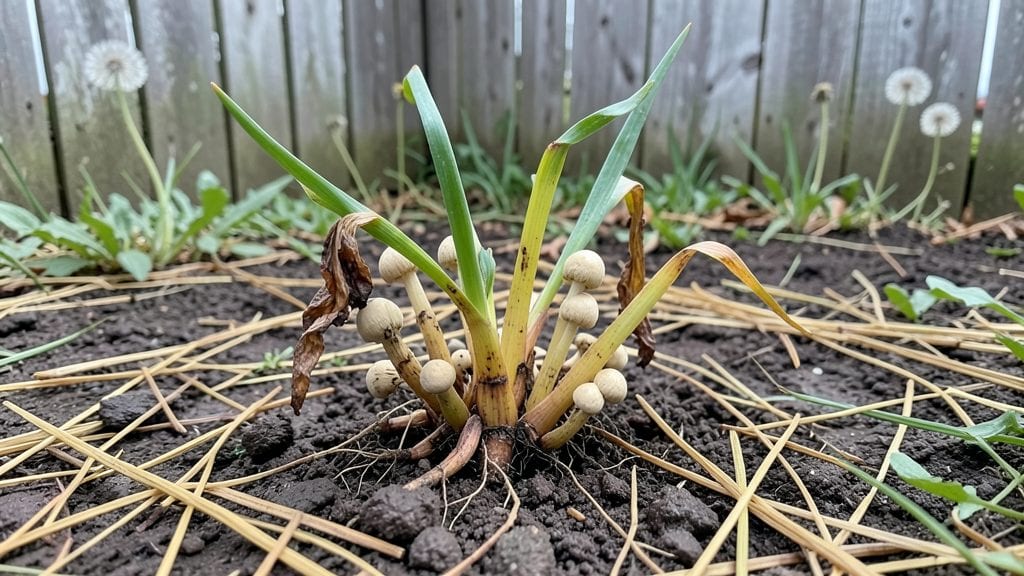
Mastering ground fungus garden fungus identification is like solving a mystery—except the clues are slimy caps, fuzzy spots, or plants that look like they’ve been dusted with flour. 🌿 I’ve spent years tracking down what’s harmless (like those weird mushrooms after a rain). and what’s wrecking my garden (like powdery mildew turning leaves into lace).
The difference often comes down to color, texture, and where it’s growing.
Most gardeners panic when they see fungus, but not all of it is a threat. Harmless varieties—like the bright orange Jack-o’-lantern mushrooms or the delicate morels—are actually beneficial, breaking down organic matter.
The dangerous ones, though, leave telltale signs: black spots on leaves, white powdery coatings, or plants that wilt despite plenty of water. Learning these visual cues saves you from overreacting—or worse, missing a problem until it’s too late.
Once you know what you’re dealing with, the fixes are simple: remove infected plants, improve airflow, and use the right treatments (like neem oil for powdery mildew or copper spray for rust).
The key is acting fast—before the fungus spreads to your entire garden. With this guide, you’ll spot the difference in seconds and keep your plants thriving.
Whether you’re dealing with mushrooms popping up after a downpour or a sudden outbreak of fuzzy mold, this visual guide breaks it down. No more guessing—just clear steps to identify, contain, and prevent fungal threats before they take over your garden.
Root Causes Behind Fungal Growth
Fungal outbreaks in gardens aren’t random—they thrive when specific conditions align like a perfect storm. Understanding these triggers helps you prevent (not just treat) ground fungus before it takes over.
Below, we break down the science behind why fungi like mycelium networks, mold colonies, and pathogenic spores decide your garden is their next buffet. 🍄⚠️
Fungi are water-loving opportunists. When soil stays soggy for more than 24–48 hours, fungal spores activate, germinate, and spread. Here’s why:
- Oxygen Deprivation: Waterlogged soil cuts off oxygen, creating anaerobic conditions where aerobic fungi (like Rhizoctonia) switch to anaerobic metabolism, producing toxins that weaken plant roots.
- Spore Germination: Most fungal spores need film of water to germinate. Overhead watering (especially at night) or compacted clay soil traps moisture, turning your garden into a fungal incubator.
- Root Stress: Saturated roots release sugars and nutrients into the soil, which fungi consume like candy. This is why Phytophthora (a water mold) loves soggy gardens—it feeds on stressed plant exudates.
Actionable Fix: Test your soil’s drainage with the bucket test (fill a bucket with water, time how long it drains). Amend heavy clay with compost, perlite, or sand to improve aeration. Water deeply but infrequently (early morning is best).
Fungi aren’t picky—they just need the right temperature + humidity combo. Most garden fungi thrive in:
| Fungal Type | Optimal Temp (°F) | Humidity Threshold | Common Victims |
|---|---|---|---|
| Powdery Mildew | 60–85°F | >70% RH | Zucchini, roses, grapes |
| Black Spot (Fungus) | 65–75°F | >80% RH | Rhododendrons, tomatoes |
| Root Rot (Phytophthora) | 68–86°F | Soil moisture >40% | Peppers, citrus, lawns |
💡 Pro Tip: Use a hygrometer to monitor humidity. If levels creep above 75% for days, improve airflow with pruning or fans. Mulch strategically—too much organic mulch (like wood chips) can trap moisture and fuel fungal growth.
Leaves, plant clippings, and old mulch aren’t just “garden waste”—they’re fungal condos. Here’s how:
- Food Source: Decaying matter releases simple sugars and cellulose, which fungi digest using enzymes like cellulase and amylase.
- Shelter: Thick layers of debris create microclimates with high humidity and low light—perfect for saprophytic fungi (like Armillaria or “honey fungus”) to spread via rhizomorphs (fungal “roots”).
- Spore Banks: Old plant material can harbor dormant spores for years. When new plants are added, these spores reawaken.
Actionable Fix:
- Remove all plant debris from the garden bed (don’t compost it on-site!).
- Use straw mulch (instead of wood chips) for better airflow.
- Solarize soil in summer by covering it with clear plastic for 4–6 weeks to kill fungal spores.
Healthy plants resist fungi; stressed ones are fungal magnets. Common stress factors:
- Nutrient Deficiencies: Low nitrogen or phosphorus weakens cell walls, making plants vulnerable to invasion. Fungi like Fusarium exploit these gaps.
- Physical Damage: Pruning wounds or insect bites create entry points for fungal pathogens. Botrytis cinerea (gray mold) often infects through broken stems.
- Competition for Resources: Overcrowded plants compete for water and light, leading to shaded, wet foliage—a fungal paradise.
Actionable Fix:
- Space plants 3–5 feet apart (depending on variety) for airflow.
- Fertilize with balanced NPK (10-10-10) + micronutrients to boost plant immunity.
- Use copper fungicides on pruning cuts to prevent infections.
Some pests don’t just damage plants—they spread fungi. For example:
- Slugs and Snails: Their slime trails create a high-humidity microclimate on leaves, perfect for gray mold (Botrytis).
- Aphids: Their honeydew (sugary waste) feeds sooty mold fungi, which coat leaves in black, powdery growth.
- Root-Knot Nematodes: They wound roots, creating entry points for root rot fungi like Pythium.
Actionable Fix:
- Control pests with neem oil or beneficial nematodes (like Steinernema) before they spread fungi.
- Use row covers to block aphids and slugs from reaching plants.
- Rotate crops annually to break fungal-pest cycles.
Quick Fixes for Fungal Overgrowth
Fungal issues in your garden can feel like an uphill battle, but with the right approach, you can restore balance and protect your plants. Below are practical, step-by-step solutions tailored to common causes of ground and garden fungus—plus prevention tips to keep problems at bay.
Cause: Decaying leaves, stems, or mulch create a damp, nutrient-rich breeding ground for fungi.
How to Fix It: 🔥 Clear the area – Rake up fallen leaves, dead plants, and diseased foliage. Dispose of them in the trash (not compost) to prevent reinfection. 🍳 Sanitize tools – After pruning, wipe blades with a 1:10 bleach-water solution to avoid spreading spores. 👨🍳 Aerate the soil – Loosen compacted soil with a fork or tiller to improve airflow and reduce moisture buildup.
Prevention Tip: 💡 Mulch wisely – Use straw or wood chips (not thick layers of leaves) and keep mulch 2–3 inches away from plant stems.
Cause: Overwatering or poor drainage creates soggy conditions fungi love.
How to Fix It: 🥘 Water deeply but less often – Aim for 1–1.5 inches per week (including rain) and water early in the day so foliage dries quickly. 🔪 Improve drainage – Amend clay soil with compost or sand. For containers, ensure pots have drainage holes. ⏰ Avoid overhead watering – Use drip irrigation or soaker hoses to keep leaves dry.
Prevention Tip: 🌡️ Test your soil – A simple moisture meter helps track when to water. Sandy soil drains fast; clay holds moisture longer.
Cause: Weak or stressed plants are easier targets for fungal invaders.
How to Fix It: 📊 Fertilize properly – Use a balanced, slow-release fertilizer (like 10-10-10) to avoid nitrogen overload, which weakens plants. 💪 Strengthen roots – Apply compost or worm castings to improve soil biology and plant resilience. 🍎 Prune for airflow – Thin crowded plants to reduce humidity and let sunlight reach the soil.
Prevention Tip: ✨ Rotate crops – Avoid planting the same family (e.g., tomatoes, peppers) in the same spot yearly to break fungal cycles.
Cause: Fungal spores persist even after cleanup, needing proactive treatment.
How to Fix It: 🍄 Baking soda spray – Mix 1 tbsp baking soda + 1 tsp dish soap + 1 gallon water. Spray on leaves (test on a small area first). 🌿 Neem oil or copper fungicide – Apply every 7–10 days during wet seasons for preventive care. 🔥 Beneficial microbes – Add mycorrhizal fungi or Trichoderma to soil to outcompete harmful pathogens.
Prevention Tip: 🎯 Monitor weekly – Walk your garden after rain to spot early signs (e.g., powdery mildew, rust spots) and act fast.
Final Note: Fungal issues often return if conditions aren’t addressed long-term. Combine cleanup, moisture control, and plant care for lasting results. 🌱✨
Frequently asked questions about garden fungi
How do I tell if a mushroom in my yard is safe to touch?
Never eat wild mushrooms unless you're an expert! Look for bright red caps, white gills, or yellow stains—these are often toxic. Safe mushrooms usually have smooth caps, no milky sap, and grow in clusters. When in doubt, avoid contact, especially with children or pets, as some species can cause serious illness.
What does white fuzz on my plants mean?
That’s likely powdery mildew, a common fungal disease. It appears as white or gray powder on leaves and stems, often in humid conditions. Remove infected leaves immediately, space plants for better airflow, and spray with a mix of 1 tbsp baking soda + 1 tsp dish soap + 1 gallon water every 7 days.
Can I still grow vegetables if my soil has fungus?
Yes, but take action first! Many soil fungi are harmless or even beneficial (like mycorrhizae). If you see black spots, rot, or wilting, improve drainage, remove infected plants, and add compost or beneficial microbes to restore balance. Avoid planting susceptible crops (like tomatoes) in infected areas for at least 1 year.
Why do mushrooms keep coming back after I remove them?
Mushrooms often return because their mycelium network (like underground roots) spreads widely. To stop them, improve soil drainage, reduce organic mulch near plant bases, and consider solarizing the soil (covering it with clear plastic for 4–6 weeks in summer) to kill spores.
Is it safe to compost fungal-infected plant material?
No—composting infected material can spread spores. Instead, bag it in a sealed trash bin or burn it (if allowed). Only compost healthy plant debris, and turn your compost pile frequently to heat it up and kill pathogens.