
Pests and Diseases
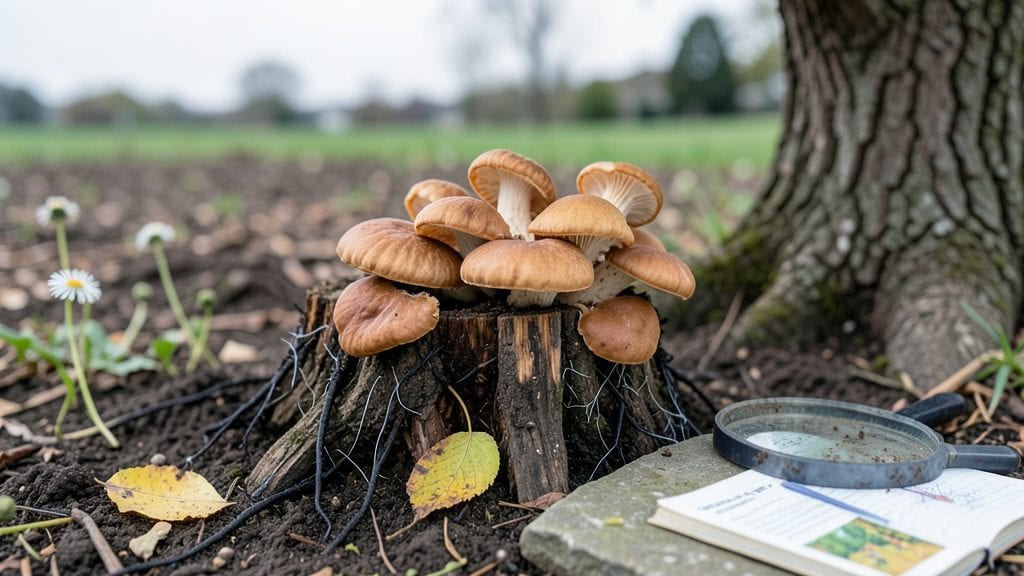
Mastering garden fungus identification is your first line of defense—whether you’re protecting your prized roses or dodging a dangerous lookalike in the backyard. 🌱 I’ve spent years sorting through mushroom clusters in my yard, learning which ones belong in the compost pile and which ones demand gloves and caution.
The key difference often comes down to color, texture, and where they grow—not just whether they look "mushroom-y."
Most harmful fungi appear on decaying wood, mulch, or plant stems, forming slimy caps or cottony growths. Edible look-alikes tend to pop up in grassy areas or near trees, with firm, dry caps and no foul smell.
A quick rule: if it’s white, fuzzy, and spreading fast, it’s probably a plant pathogen like powdery mildew—not something for your stir-fry. I’ve seen gardeners mistake common morels for deadly false morels, so always double-check.
You’ll learn to spot the warning signs: discolored leaves, wilting stems, or mushrooms sprouting in odd places. The goal isn’t just to avoid toxic varieties but to protect your garden’s health.
Once you recognize these patterns, you’ll catch problems early—before they spread. Prevention starts with proper spacing, clean tools, and avoiding overwatering, but identification is your first line of defense.
This guide covers the most common look-alikes in North American gardens, from chicken-of-the-woods to deadly galerina. By the end, you’ll know exactly what to do when you spot something suspicious—whether it’s time to pull it, report it, or harvest it (safely).
Let’s get started with the visual clues that make all the difference.
Root Causes Of Fungal Growth
Fungi thrive in gardens not by accident but because specific conditions create the perfect environment for their growth. Understanding these triggers helps you take proactive steps to prevent or manage outbreaks. Here’s why your garden might be a fungal buffet—and how to address it.
Fungi love water—too much of it, that is. Most garden fungi require high humidity (above 70%) and prolonged moisture to germinate and spread. Here’s why this happens:
- Overwatering: While plants need hydration, soggy soil suffocates roots and creates ideal conditions for fungal spores to germinate. Example: Slime molds (like Physarum polycephalum) thrive in damp, shaded areas where water lingers.
- Poor drainage: Compacted or clay-heavy soil traps water, preventing it from draining away. Fungi like Phytophthora (a water mold) exploit this by infecting roots in waterlogged conditions.
- Morning dew or evening mist: Prolonged leaf wetness (12+ hours) encourages fungal diseases like powdery mildew (Erysiphe spp.) or rust (Puccinia spp.), which spread via airborne spores.
Actionable fix: Improve drainage with organic matter (compost or perlite), water deeply but infrequently, and avoid overhead irrigation in the evening.
Fungi feast on decaying matter, and gardens full of dead leaves, mulch, or plant waste are like all-you-can-eat buffets for them. Here’s how it plays out:
- Leaf litter and mulch buildup: Decomposing plant material provides food and shelter for fungal spores. Example: Armillaria mellea (honey fungus) grows from buried wood or old stumps, spreading to healthy plants.
- Infected plant material: Pruned branches or pulled weeds left in the garden can harbor dormant spores. Example: Botrytis cinerea (gray mold) overwinters in dead tissue and reinfects plants when conditions are right.
- Compost piles: While composting is great, improperly managed piles (too wet or not turned) can become breeding grounds for pathogenic fungi like Fusarium.
Actionable fix: Remove debris promptly, compost with proper aeration, and sterilize tools between uses to avoid spreading spores.
Fungi are opportunistic and often exploit moderate temperatures (50–85°F / 10–30°C) combined with high humidity. Here’s how climate shifts invite fungal guests:
- Warm, humid weather: Many fungi (e.g., powdery mildew) thrive in 60–80°F (15–27°C) with high moisture. Example: Southern blight (Sclerotium rolfsii) spreads rapidly in hot, humid summers.
- Cool, damp springs/falls: Fungi like rust and downy mildew (Peronospora spp.) flourish when nights are cool and days are humid.
- Sudden temperature drops: Stress weakens plants, making them more susceptible. Example: Verticillium wilt exploits stressed plants in fluctuating climates.
Actionable fix: Space plants for airflow, mulch to moderate soil temps, and avoid planting susceptible species in high-risk microclimates.
Healthy plants resist fungi better, but stress—whether from nutrient deficiencies, physical damage, or pests—opens the door. Here’s how it happens:
- Nutrient imbalances: Lack of nitrogen, phosphorus, or micronutrients (like calcium) weakens cell walls, making plants vulnerable. Example: Blight (Phytophthora infestans) targets potassium-deficient tomatoes.
- Injuries from pests or tools: Wounds create entry points for fungi. Example: Silver leaf fungus (Chondrostereum purpureum) invades through pruning cuts.
- Overcrowding: Poor airflow traps moisture and blocks sunlight, stressing plants. Example: Botrytis spreads faster in dense basil or petunia beds.
Actionable fix: Test soil annually, prune correctly (sterilize tools!), and rotate crops to prevent pathogen buildup.
💡 Pro Tip: Monitor your garden’s microclimate with a hygrometer (humidity meter) and soil moisture sensor to catch fungal-friendly conditions early.
Fixing Fungal Foes in Your Garden
Identifying garden fungus is the first step—but knowing how to remove and prevent it keeps your plants thriving. Below, we break down solutions by common causes, from overwatering to poor airflow, with actionable fixes and proactive tips to keep your garden fungus-free.
Too much moisture creates the perfect breeding ground for fungi like Phytophthora or powdery mildew. If your soil feels soggy or mushrooms pop up after rain, it’s time to adjust your watering habits.
How to Fix It:- 💧 Adjust your watering schedule: Water deeply but infrequently—aim for 1–1.5 inches per week (including rain). Use a moisture meter to check soil dampness before watering.
- 🌱 Improve drainage: Amend heavy clay soil with compost or perlite. Raise beds or use containers with drainage holes for problem plants.
- 🌿 Mulch strategically: Use organic mulch (straw, wood chips) to retain moisture, but keep it 2–3 inches away from stems to prevent fungal buildup.
Fungi like Botrytis (gray mold) and Rhizoctonia thrive in stagnant, humid air. Crowded plants or dense foliage trap moisture, inviting fungal infections.
How to Fix It:- 🌿 Prune for airflow: Thin out overgrown branches or leaves to create gaps between plants. Aim for 12–24 inches of space between mature plants.
- 🪓 Remove infected debris: Clip and discard (don’t compost!) diseased leaves or stems. Sterilize pruners with rubbing alcohol between cuts.
- 🌬️ Use fans: Place a small oscillating fan on low near susceptible plants (like tomatoes or peppers) to increase airflow without damaging foliage.
Fungi love humidity—think powdery mildew on roses or rust on beans. If your garden feels like a sauna, it’s time to dry things out.
How to Fix It:- 🌿 Space plants for ventilation: Avoid planting shade-loving plants too closely together. Opt for dwarf varieties if space is limited.
- 💨 Increase airflow: Open greenhouse vents or use shade cloth (which also reduces heat buildup). In containers, elevate pots to improve airflow at the base.
- 🌧️ Reduce evening watering: Water before 10 AM so plants dry by nightfall. Use a hose with a fine mist nozzle to avoid wetting leaves.
Old compost, diseased plant debris, or compacted soil can harbor fungal spores. If your garden keeps getting reinfected, it’s time for a reset.
How to Fix It:- 🔥 Solarize the soil: Cover infected beds with clear plastic for 4–6 weeks in hot sun to kill pathogens. (Best in summer.)
- 🌱 Replace topsoil: Remove the top 6–12 inches of soil and replace with sterilized potting mix or fresh compost.
- 🍄 Add beneficial microbes: Mix in mycorrhizal fungi or trichoderma (a natural fungus-fighter) to outcompete pathogens.
If you’ve spotted mushrooms in your garden, don’t panic—some are edible (like morels or oyster mushrooms), while others are deadly (e.g., Amanita species). Here’s how to tell—and act—safely.
How to Handle It:- 🔍 Identify first: Use a field guide or app (like iNaturalist) to confirm the type. Never eat wild mushrooms unless 100% certain.
- 🧹 Remove safely: Dig up mushrooms with roots to prevent regrowth. Wear gloves—some fungi release spores that irritate skin.
- 🚫 Avoid contaminated harvests: If edible mushrooms appear near toxic look-alikes, skip the patch to prevent accidental ingestion.
With these targeted fixes, you’ll starve out fungi before they starve your plants. Consistency is key—monitor, adjust, and prevent before problems resurface. Happy (and fungus-free) gardening! 🌱💚
Frequently asked questions about garden fungi
How can I tell if a mushroom in my yard is safe to eat?
Never eat wild mushrooms unless you’re 100% certain of the species. Start by checking the cap shape (convex vs. flat), gill color, and stem texture. Toxic look-alikes like Amanita (death cap) have white gills and a bulbous base, while edible morels have honeycomb caps. Use a field guide or app like iNaturalist to confirm—when in doubt, toss it out!
What’s the fastest way to remove fungal growth from my plants?
For mild cases, prune infected leaves with sterilized shears and discard them (don’t compost!). Spray affected areas with a 1:10 baking soda-water mix (add a drop of dish soap) or a copper fungicide for severe infections. Always improve airflow by thinning plants and watering at the base—not overhead.
Can I still grow food in soil where mushrooms keep appearing?
It depends on the type. If they’re harmless (like oyster mushrooms), they won’t harm crops—but they may compete for nutrients. For toxic or disease-causing fungi (e.g., Armillaria), solarize the soil with clear plastic for 4–6 weeks or replace the top 6 inches of soil. Test soil health first to rule out nutrient deficiencies.
Why do some fungi appear only after rain?
Fungal spores need moisture to activate and spread. High humidity (above 70%) triggers germination, which is why you’ll see powdery mildew or slime molds after prolonged dampness. To prevent this, water early in the day, improve drainage, and avoid overcrowding plants to reduce trapped moisture.
Are all white, fuzzy growths harmful to plants?
Not always! Some white fuzz is harmless (like mold on mulch), but others signal trouble. Powdery mildew (white powdery coating) or Botrytis (gray fuzzy patches) are plant pathogens. Check for yellowing leaves or wilting—if the fuzz spreads quickly and affects living tissue, treat it immediately with neem oil or sulfur-based fungicides.