
Tools
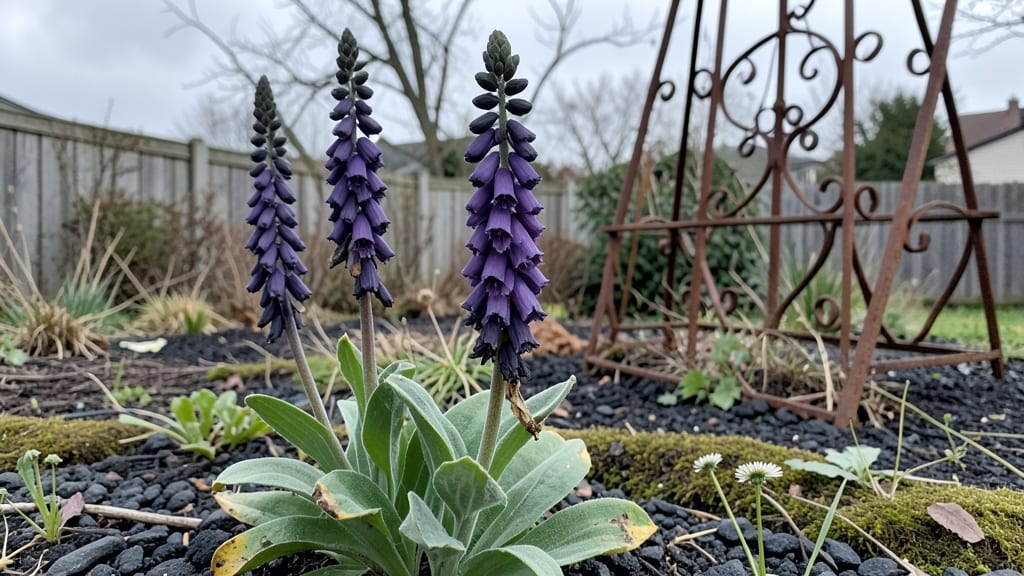
Creating a gothic flower garden transforms your yard into a hauntingly beautiful sanctuary where dark romance blooms. ✨ I stumbled upon this aesthetic after falling for the dramatic contrast of black roses against silver foliage—it’s like a living poem for those who love mystery over manicured perfection.
The key lies in layering textures and colors that feel timeless yet dramatic: deep purples, velvety blacks, and the occasional splash of blood-red.
Thorny climbers like morning glory or roses on wrought-iron arches add that signature gothic edge, while low-maintenance shrubs like heuchera or ebony spleenwort keep the drama without the fuss. Even in small spaces, you can create this moody atmosphere with just a few strategic plants.
Imagine winding paths lined with candles flickering at dusk, their glow illuminating glossy leaves and velvety blooms. The garden becomes a twilight retreat—perfect for quiet reflection or hosting intimate gatherings under the stars.
Seasonal adaptations are simple: swap out summer blooms for evergreens in winter, and add dried flowers for texture when fresh ones fade.
This isn’t just a garden; it’s a statement. Whether you’re reclaiming a neglected corner or designing from scratch, the gothic style thrives on bold choices—so don’t be afraid to let your darkest (and most beautiful) side shine. Let’s bring this vision to life, one dramatic plant at a time.
📚 In This Guide
- What you need
- Instructions
- Tips and common mistakes
- Wrapping up and next steps
What you need
- ● Plants: Black Baccara roses (3-5 bushes)
- ● Bleeding heart vine (1-2 plants)
- ● Thorny Rosa rugosa (2-3 bushes)
- ● Dark red Hellebores (5-7 bulbs)
- ● Deep purple Lilies (3-4 bulbs)
- ● Moonflower vine (1 plant, for nocturnal blooms)
- ● Statice (dried, for everlasting arrangements—1 bunch)
- ● Soil & Amendments: Peat moss (2-3 bags, for acidity)
- ● Compost (1 cubic yard, well-aged)
- ● Iron sulfate (1 lb, for dark foliage)
- ● Structures & Decor: Wrought-iron trellis (1-2, for climbing vines)
- ● Antique-style urns or black pots (3-5)
- ○ Weathered stone statues or busts (1-2, optional focal points)
- ● Tools: Pruning shears (sharp, for clean cuts)
- ● Garden trowel (for planting)
- ● Wheelbarrow (1, for hauling soil)
- ● Gloves (heavy-duty, thorn-resistant)
- ● Spray bottle (for misting delicate blooms)
- ● Dried lavender or rosemary (for scent and texture)
- ● Glass orbs (to catch morning dew and sunlight)
- ● Black or deep red mulch (for a cohesive look)
- ● LED string lights (for a hauntingly romantic evening glow)
- ● Antique mirrors or framed botanical prints (for garden decor)
Step-by-Step instructions for designing a gothic flower garden
Here's how to craft a moody, dramatic garden that thrives with dark elegance and architectural intrigue.
🌿 Step 1: Select Your Dark Romantic Plant Palette
Start with thorny vines like roses (Rosa 'Black Baccara'), clematis (Clematis montana 'Rubens'), and honeysuckle (Lonicera periclymenum 'Graham Thomas')—their dramatic foliage and fragrance create instant gothic atmosphere. Add moody blooms such as black calla lilies (Zantedeschia 'Black Star'), deep purple irises (Iris germanica 'Black Game'), and blood-red poppies (Papaver 'Black Spanish'). These plants thrive in partial shade to full sun, so choose a location that gets at least 4-6 hours of sunlight daily.
For texture contrast, incorporate silver foliage like lamb’s ear (Stachys byzantina) and dusty miller (Jacobaea maritima), which stand out against the dark blooms. I like to sketch a rough layout first—grouping plants by height and color to create natural layers. This ensures your garden feels intentional, not chaotic.
🪴 Step 2: Design with Structural Elements
Gothic gardens rely on architectural drama, so incorporate ironwork trellises, wrought-iron gates, or stone arches as focal points. These elements frame the vines and add vertical interest. I recommend placing a central iron obelisk (like those used in Victorian gardens) as the anchor—it draws the eye upward and creates a natural climbing structure for roses or clematis.
Use dark, weathered materials like aged wood, slate, or black-painted metal for borders and edging. These contrast sharply with the lush greens and deep blooms, enhancing the moody aesthetic. Avoid bright colors in hardscaping—stick to charcoal, slate gray, or deep bronze to maintain the gothic tone.
☀️ Step 3: Layer Light and Shadow for Dramatic Effect
Gothic gardens thrive in dappled light and shade, so position taller plants (like tree roses or hollyhocks) to cast intricate shadows on the ground. I like to plant black mondo grass (Ophiopogon planiscapus 'Nigrescens') as a low-lying ground cover—its deep purple-black leaves create striking contrast underfoot. Add ornamental grasses like Miscanthus 'Malepartus' for movement and texture, especially near pathways where their seed heads sway dramatically.
Place statues or urns in shaded spots to add mystery. A black ceramic urn filled with black calla lilies or deep purple sweet potatoes (Ipomoea batatas 'Blackie') becomes a focal point that feels like it belongs in a Victorian graveyard. Avoid overcrowding—leave space for plants to grow into their mature forms without competing for light.
💧 Step 4: Maintain Moisture and Soil for Dramatic Blooms
Gothic plants often have deep roots and lush foliage, so amend your soil with 3-4 inches of compost and a slow-release organic fertilizer (like fish emulsion) to encourage vigorous growth. Mulch with black bark mulch or cypress mulch to suppress weeds and retain moisture—this keeps the garden looking polished while protecting roots in summer heat.
Water deeply 2-3 times per week, especially during the first growing season, to establish strong root systems. I like to water in the early morning so foliage dries quickly, reducing fungal risks. Avoid overhead sprinklers—drip irrigation or soaker hoses keep leaves dry and prevent mildew, which can ruin the dramatic effect of your dark blooms.
✂️ Step 5: Prune and Deadhead for Year-Round Drama
Prune thorny vines in late winter or early spring to encourage new growth and maintain their structural form. For roses, I cut back one-third of the previous year’s growth to promote bushier, healthier blooms. Deadhead spent flowers regularly to redirect energy into new growth—this keeps your garden looking lush and intentional, not neglected.
In fall, leave seed heads and dried foliage on plants like grasses and poppies for winter interest. A few blackened stems or frost-kissed leaves add to the gothic aesthetic. I also plant winter aconite (Eranthis hyemalis) and heliconia (Heliconia 'Black Heat') for late-season color—these bridge the gap between autumn and spring beautifully.
Tips & tricks for perfect gothic flower garden design
Creating a gothic garden isn't just about planting dark flowers—it's about crafting an atmosphere where every element tells a story. Here are the secrets to achieving that moody elegance without the common pitfalls.
Plant Placement is Everything: In Step 1, when selecting your dark romantic palette, remember that height matters just as much as color. Position your Clematis montana 'Rubens' and Lonicera periclymenum 'Graham Thomas' vines near your central iron obelisk (Step 2) to create natural vertical lines that draw the eye upward. I've learned the hard way that placing taller plants like tree roses too close to pathways can create awkward shadows—always leave at least 3 feet of clearance. The interplay between light and shadow in Step 3 is what creates that signature gothic drama, so plan your layout like you're composing a painting.
Soil Preparation Makes All the Difference: The 3-4 inches of compost and slow-release fertilizer mentioned in Step 4 aren't just suggestions—they're essential for supporting the deep roots of your gothic plants. I recommend testing your soil pH first (aim for 6.0-7.0) and amending with sulfur if needed. The dark foliage and blooms you're planting will show every deficiency, so don't skimp on this foundation. For extra insurance, I mix in a handful of mycorrhizal fungi at planting time—it helps roots establish faster in that critical first growing season.
Material Selection for Atmosphere: When choosing your dark, weathered materials in Step 2, think beyond just color. The texture of aged wood or slate can completely transform your garden's mood. I've found that black-painted metal fades quickly in sunlight, so opt for weathered steel or wrought iron instead. For borders, consider using broken slate tiles—each unique piece adds character and prevents that sterile, manicured look. And here's a pro tip: Place your dark materials on the north side of plants to create natural contrast against their foliage.
Seasonal Layering for Year-Round Interest: The gothic aesthetic shouldn't disappear with the seasons, which is why Step 5 emphasizes leaving seed heads and dried foliage. But don't stop there—consider adding optional winter interest plants like Helleborus niger (Christmas rose) or Mahonia aquifolium (Oregon grape) to bridge the gap between your fall grasses and spring blooms. These evergreens provide structure when everything else is dormant, maintaining that moody atmosphere even in winter's bleakest months.
Pro Tips for Gothic Flower Garden
- Creating a gothic garden isn't just about planting dark flowers—it's about crafting an atmosphere where every element tells a story.
- Plant Placement is Everything: In Step 1, when selecting your dark romantic palette, remember that height matters just as much as color.
- Soil Preparation Makes All the Difference: The 3-4 inches of compost and slow-release fertilizer mentioned in Step 4 aren't just suggestions—they're essential for supporting the deep roots of your gothic plants.
Frequently asked questions
Got questions about crafting your own gothic flower garden? You’re not alone—this darkly enchanting style blends drama with nature, and details matter! Here’s what readers ask most often:
What are the easiest dark flowers to start with for beginners?
Begin with hardy, low-maintenance blooms like black calla lilies, deep burgundy dahlias, or thorny roses (e.g., ‘Souvenir de la Malmaison’). These thrive in partial shade and add instant gothic flair. Pair them with silver foliage (like heuchera) for contrast.
When is the best time to plant a gothic-themed garden?
Plant perennials in early spring (after frost risk) or fall (6 weeks before first frost) for established roots. Annuals (like black nemesia) can go in after soil warms. Thorny climbers (e.g., clematis) need spring planting—give them trellises or obelisks to sprawl dramatically!
How do I keep pests away from my dark, moody plants?
Gothic gardens attract pests like slugs and aphids—use copper barriers around beds and introduce ladybugs for natural control. Spray neem oil on leaves weekly, and avoid overwatering (damp soil = pest paradise). Thorny roses deter deer too!
Can I create a gothic garden in a small space, like a balcony?
Use hanging baskets for black velvet petunias or thorny ivy, and opt for dwarf varieties like miniature black roses. Add wrought-iron planters or cast-iron statues for a mini gothic vibe. Even a single dark purple fuchsia in a gothic-style pot works!
What’s the trick to making vines look intentionally wild and overgrown?
Let thorny vines (like honeysuckle or passionflower) climb weathered trellises or abandoned-looking structures. Prune selectively to create dramatic gaps—think tangled, romantic chaos! Add dried flowers woven into branches for extra texture.
Wrapping up and next steps
A gothic flower garden isn’t just a space—it’s a mood, a story, and a bold artistic statement. By blending moody blooms, textured foliage, and dramatic lighting, you’ve unlocked a sanctuary where dark romance thrives.
Whether you’re starting small with a single wrought-iron trellis or transforming an entire yard, the key is to embrace the drama and let your creativity bloom.
Ready to dive deeper? Sketch your design on paper first—then gather materials and start planting! 🌹✨ For extra inspiration, explore gothic garden books or visit local botanical gardens with a dark twist. Your garden’s dark elegance awaits!