
Pests
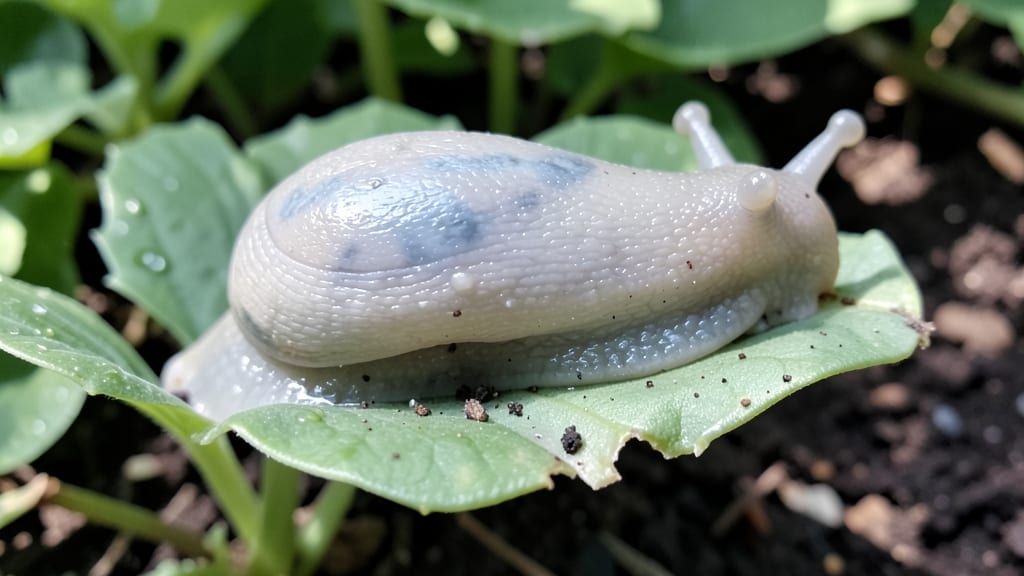
Giant garden slugs are the silent destroyers of my hosta leaves and tender seedlings. 🌱 I’ve lost count of the nights I’ve woken to find my prized plants reduced to lace-like skeletons, but these humane removal tricks have finally given me the upper hand.
The key isn’t just trapping them—it’s understanding their behavior so you can outsmart them before they out-eat you.
These slimy invaders thrive in damp, shady spots, especially after rain, and they’re partial to hostas, lettuce, and young tomato plants. The damage tells the story: jagged holes in leaves, slimy trails on surfaces, and plants that look like they’ve been nibbled by a tiny, nocturnal army.
The good news? You don’t need harsh chemicals to stop them—just a few strategic tricks that work with nature, not against it.
With the right barriers, traps, and predators, you’ll see fewer slimy trails within a week. Copper tape sends electric shocks through their bodies, beer traps lure them in for a one-way trip, and ducks or chickens will happily snack on them for you.
The secret is consistency—slugs are persistent, but so are these solutions when applied together.
Works for any garden, from shady woodland edges to sunny vegetable patches. Here’s how to turn the tide without harming your plants—or your conscience.
Why Slugs Invade Gardens
Giant garden slugs don’t just wander into your yard by accident—they’re drawn in by a mix of environmental factors, food availability, and even human habits. Understanding these triggers is the first step to keeping them away.
Here’s why these slimy visitors show up uninvited and how to stop them before they become a feast for your plants.
Slugs thrive in moist conditions because their slimy bodies lose water quickly when exposed to dry air. If your garden retains too much moisture—whether from overwatering, poor drainage, or heavy rainfall—you’re essentially rolling out the welcome mat for these pests.
- Why it happens: Slugs need hydration to survive, and damp soil provides both moisture and shelter. A garden with thick mulch or shaded areas (where soil stays wet longer) becomes a slug hotel.
- Actionable fix: Water deeply but less frequently, especially in the evening, to allow soil to dry slightly between waterings. Improve drainage with organic matter like compost or sand, and avoid mulching heavily in slug-prone areas.
Giant slugs are omnivorous opportunists, feasting on anything from decaying leaves to fresh vegetables. If your garden offers a buffet—especially tender, young plants—they’ll stick around.
- Why it happens: Slugs are attracted to soft, nutrient-rich plants like lettuce, hostas, and marigolds. Even fallen fruit or compost piles can lure them in.
- Actionable fix: Remove plant debris, fallen leaves, and overripe produce promptly. Choose slug-resistant plants (e.g., lavender, geraniums, or rosemary) and harvest crops before they ripen to reduce temptation.
In a balanced ecosystem, birds, frogs, ground beetles, and even hedgehogs keep slug populations in check. But if these predators are missing—due to pesticides, habitat loss, or urbanization—slugs multiply unchecked.
- Why it happens: Chemical pesticides can kill beneficial insects that eat slugs, while urban gardens often lack the biodiversity to support a healthy predator-prey dynamic.
- Actionable fix: Encourage natural predators by adding birdhouses, shallow water sources for frogs, and log piles for ground beetles. Avoid broad-spectrum pesticides and opt for organic slug controls like copper tape or diatomaceous earth.
Slugs are nocturnal creatures, emerging after dark to avoid predators and heat. If your garden provides hiding spots like dense foliage, rocks, or thick mulch, they’ll use them as daytime shelters.
- Why it happens: Slugs need shade and moisture to survive daylight hours. Gardens with low-lying plants, woodpiles, or dense ground cover create perfect hiding spots.
- Actionable fix: Clear away dense mulch, stack firewood away from garden edges, and trim back overgrown plants to reduce hiding places. Use slug barriers like crushed eggshells or sharp gravel around vulnerable plants.
By addressing these key factors—moisture, food, predators, and shelter—you can make your garden far less appealing to giant slugs. The good news? Small changes can lead to big results, and your plants will thank you! 🌿
Humane Removal Tricks That Work
Got an unwanted giant visitor munching on your prized garden? Don’t panic—there are plenty of effective, cruelty-free ways to evict them without harming your plants (or the slugs!).
Below, we’ve mapped out targeted solutions based on the most common causes of slug invasions, plus prevention tips to keep your garden slug-free long-term.
Cause: Slugs thrive in damp, shady spots where moisture lingers. Fix:
- 🔥 Reduce watering in the evening—slugs are nocturnal and attracted to wet soil.
- 🍳 Add coarse sand or grit to soil surfaces to improve drainage (they hate rough textures!).
- 👨🍳 Use mulch alternatives like straw or pine needles (avoid wood chips, which hold moisture).
Prevention Tip: 💡 Water in the morning so soil dries faster—slugs won’t stick around!
Cause: Slugs love hiding under rotting leaves, logs, or dense ground cover. Fix:
- 🔪 Remove organic debris (fallen leaves, compost piles) from garden beds.
- ⏰ Rake up leaf litter regularly—especially after rain.
- 🌡️ Turn over pots and plant saucers to eliminate hiding spots.
Prevention Tip: ✨ Keep grass short under plants—slugs avoid open, dry areas!
Cause: Slugs emerge at night to feast on tender leaves. Fix:
- 🍺 Beer traps (yes, really!):
- Bury a shallow dish filled with beer near plants.
- Slugs crawl in but can’t escape—humane and effective.
- 🥗 Plate traps:
- Place a board or flat stone on the ground—slugs gather underneath by morning.
- Shake them into a bucket of soapy water (or release them far from your garden).
- 🎯 Copper tape barriers:
- Wrap copper tape around pots or raised beds—slugs get a mild shock and avoid it.
Prevention Tip: 🌡️ Use diatomaceous earth (food-grade) around plants—it’s non-toxic but deadly to slugs!
Cause: Slugs target young, soft plants (like lettuce, hostas, or marigolds). Fix:
- 💪 Choose slug-resistant plants:
- Opt for lavender, geraniums, or thyme—slugs dislike their scent.
- Grow traps like radishes or lettuce in a separate area to lure them away.
- 🥗 Apply slug repellents:
- Crushed eggshells around plants create a barrier.
- Garlic or chili spray (blend garlic/chili with water, strain, and spray leaves).
Prevention Tip: 🎯 Handpick slugs at dusk with a flashlight—drop them in soapy water or relocate them!
Want to keep slugs from returning?
Try these low-effort strategies: - 🌡️ Install slug fences (metal or plastic barriers) around garden beds. - 💡 Use nematodes (Phasmarhabditis hermaphrodita)—microscopic worms that naturally kill slugs without chemicals. - 🌿 Encourage predators like ground beetles, birds, or frogs by adding a small pond or diverse plantings.
Final Thought: Slugs aren’t all bad—they help decompose organic matter! But when they’re giant, hungry, and overstaying their welcome, these humane tricks will save your garden without the guilt. Try one (or all!) of these methods and watch your plants thrive—slug-free!
Frequently asked questions
What plants do giant slugs target most?
Giant slugs love feasting on tender, moist plants like hostas, lettuce, marigolds, and young tomato seedlings. They also munch on calendula, radishes, and strawberries. Look for jagged holes in leaves or slimy trails at dawn—those are their calling cards!
Are giant slugs harmful to my garden?
Yes, they can cause significant damage by devouring leaves, stems, and even young plants overnight. While they help decompose organic matter, their appetite for vegetables and ornamental plants can leave your garden looking ragged. Left unchecked, they’ll strip plants down to the skeleton in a few nights!
How do I tell if slugs are eating my plants?
Check for irregular holes in leaves (not clean cuts like insects) and slimy trails on surfaces or plants. You’ll also spot chewed seedlings or ragged edges on leaves. Slugs leave a telltale silver slime trail—a dead giveaway!
Can I use salt to kill slugs?
While salt is lethal to slugs, it’s not the best option for your garden. It can harm soil microbes and nearby plants. Instead, use crushed eggshells or copper tape—both are humane and effective. For a quick fix, sprinkle salt on individual slugs (but avoid spreading it widely).
What’s the best time of day to check for slugs?
Early morning or late evening are the best times. Slugs are nocturnal, so they’ll be active after dark or hiding in damp spots during the day. Use a flashlight at dusk to spot them before they start munching!