Pests
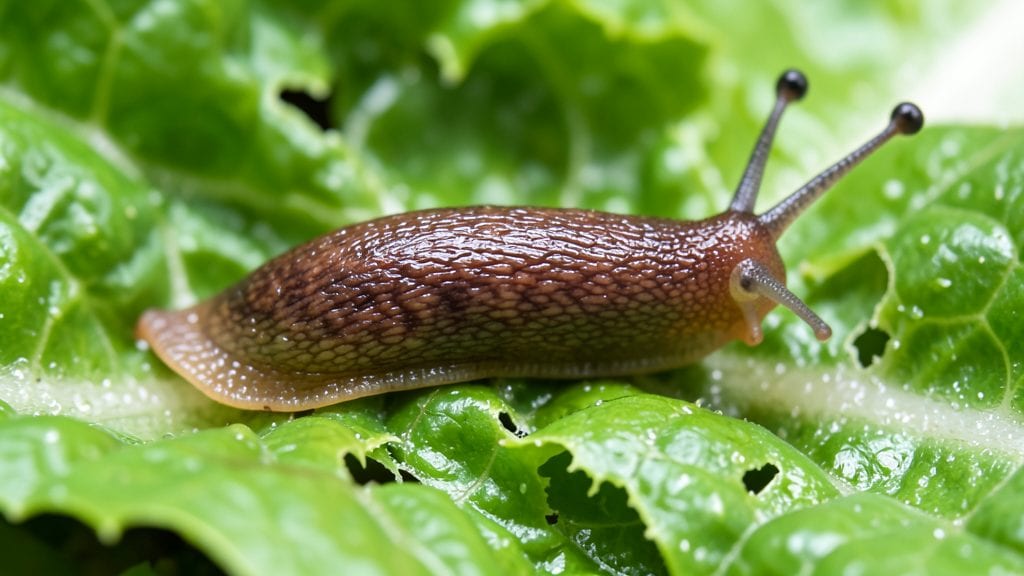
Garden slug control starts with understanding their nighttime raid patterns. 🌿 I’ve lost count of the slimy trails I’ve found on my hostas and lettuce—until I learned how to outsmart them with simple, effective methods that don’t harm the ecosystem.
The key is combining barriers, traps, and habitat tweaks to make your garden less inviting than the damp, mulch-filled paradise they crave.
Copper tape is my go-to barrier because it’s invisible to humans but sends a mild electric shock that slugs avoid. Pair it with beer traps (yes, really) for a two-pronged attack—slugs drown in the brew while copper keeps them from reaching plants.
For organic gardeners, diatomaceous earth works like a fine powder barrier, but reapply after rain. The best part? These methods are humane and won’t poison birds or bees.
You’ll see results within days—fewer slime trails, fewer chewed leaves, and plants that stay lush instead of ragged. The secret is consistency: check traps weekly, reapply barriers after heavy rain, and keep mulch dry where possible.
Slugs thrive in moisture, so a little prevention goes a long way toward keeping your garden thriving.
Works for vegetable gardens, flower beds, and even container plants. Whether you’re dealing with a sudden outbreak or want to prevent future invasions, these slug-busting strategies adapt to any garden size or season. Let’s get those slimy pests under control for good.
Root Causes of Slug Overpopulation
Slugs may seem like a nuisance, but their rapid spread in gardens isn’t random—it’s the result of specific conditions they thrive in. Understanding these factors is the first step to effective control. Let’s break down the key reasons why slugs take over your garden and how they exploit your landscape.
Slugs are over 90% water by weight, making them highly dependent on humidity. Here’s why excess moisture turns your garden into a slug buffet:
- Poor Drainage – Compacted soil or heavy clay retains water, creating ideal slug habitats. They hide under damp mulch, leaf litter, or even in shallow water puddles. - Overwatering – While plants need hydration, slugs thrive in soggy conditions.
Drip irrigation or sprinklers that wet foliage at night (when slugs are active) signal them to move in. - Rainy Seasons – After heavy downpours, slugs emerge from hiding to feed. Gardens with shaded, low-lying areas stay wet longer, becoming slug hotspots.
Actionable Fix: Improve drainage with organic matter (like compost or sand) and water deeply but less frequently to discourage slug activity.
Slugs are detritivores—they feast on decomposing plant material, which provides both food and shelter. Here’s how your garden becomes their restaurant:
- Compost Piles – Uncovered compost is a slug magnet. They don’t just eat the scraps; they lay eggs in the moist, nutrient-rich environment. - Leaf Litter & Mulch – Thick layers of fallen leaves or wood chips create hiding spots and moisture traps.
Slugs use these as daytime shelters before venturing out to feed. - Fallen Fruits & Vegetables – Overripe produce on the ground (like tomatoes or melons) attracts slugs for an easy meal.
Actionable Fix: Use wire mesh or a tight-fitting lid on compost bins, and keep mulch 2–3 inches away from plant stems to deter slugs.
Slugs are nocturnal, meaning they’re most active under the cover of darkness. This behavior explains why you might not see them during the day but wake up to chewed leaves:
- Low Predator Activity – Birds, frogs, and ground beetles (natural slug predators) are less active at night, giving slugs free rein. - Cooler Temperatures – Slugs prefer 50–70°F (10–21°C).
They avoid dry, sunny days but thrive in cooler evenings with high humidity. - Artificial Light – Outdoor lights can disorient predators, making it easier for slugs to move undetected.
Actionable Fix: Install motion-activated lights or solar-powered path lights to deter slugs and attract their predators.
Not all plants are equally appealing to slugs. They target tender, moisture-rich vegetation, especially:
- Young Seedlings – Delicate stems are easy prey, and slugs can decimate a seedling overnight.
- Leafy Greens – Lettuce, kale, and cabbage are slug favorites because they’re soft and hydrated.
- Fruiting Plants – Tomatoes, strawberries, and squash attract slugs with their sweet, juicy flesh.
Actionable Fix: Choose slug-resistant plants like lavender, thyme, or marigolds as borders. For vulnerable crops, use row covers or copper tape barriers (which repel slugs with a mild electric shock).
Sometimes, well-meaning gardening practices accidentally create slug paradises:
- Overly Shaded Gardens – Slugs avoid direct sunlight. Dense foliage or tall plants create humid microclimates they love. - Unkempt Garden Edges – Piles of rocks, bricks, or wood near plants provide hiding spots.
Slugs use these as daytime retreats. - Importing Infested Soil – New plants or topsoil can introduce slug eggs or adults into your garden.
Actionable Fix: Keep garden beds neat and well-spaced, and avoid over-shading plants. If you must add mulch, use gravel or coarse bark instead of fine organic matter.
Slug populations explode in temperate, humid climates (like the Pacific Northwest or Southeast U.S.), but even drier regions can see outbreaks after rain. Key factors:
- Mild Winters – Slugs survive freezing temperatures by burrowing deep or producing antifreeze-like proteins.
Regions with short freezes (below 20°F/-7°C for <24 hours) allow slugs to persist year-round. - High Humidity – Areas with 60%+ humidity keep slugs active longer, even in summer. - Urban Heat Islands – Cities with concrete and pavement retain moisture longer, creating slug-friendly microclimates in gardens.
Actionable Fix: In slug-prone climates, combine multiple control methods (barriers, traps, and natural predators) for the best results.
Effective Ways to Stop Slug Damage
Now that you understand why slugs invade your garden, let’s tackle the solutions—practical, humane, and long-lasting—to reclaim your plants. Below, we’ve mapped common slug-related problems to the best fixes, including prevention tips to keep them away for good.
Slugs love soft, moist leaves and mulch. If they’re already feasting, block their access with these easy barriers:
🔥 Build a Beer Trap (Classic & Effective)
- Why it works: Slugs are attracted to fermented liquids but drown in them.
- How to do it:
- Bury a shallow container (like a yogurt cup) in the soil.
- Fill it with beer, wine, or even milk (avoid vinegar—it repels slugs but won’t trap them).
- Refresh every 2–3 days for maximum effectiveness.
- Pro tip: 💡 Place traps near high-risk plants (like lettuce or hostas) at dusk when slugs are most active.
🍳 Copper Tape or Wire (Electric Shock Prevention)
- Why it works: Slugs hate the slight electric charge copper gives off when they touch it.
- How to do it:
- Wrap copper tape around pots, raised beds, or vulnerable stems.
- Secure it with staples or garden clips (avoid sharp edges that could harm plants).
- Works best on flat surfaces—less effective on rough bark or thick leaves.
- Pro tip: 🌡️ For extra protection, combine copper with diatomaceous earth (a natural powder that dehydrates slugs).
👨🍳 Mulch Alternatives (Slug-Proof Ground Cover)
- Why it works: Traditional mulch (straw, wood chips) attracts slugs.
Swap it for dry, gritty materials they avoid. - Best options: - Gravel or pebbles (especially around hostas and roses). - Crushed eggshells (sharp edges deter slugs; refresh yearly). - Straw vs. hay? Use straw (less moisture-retaining than hay). - Pro tip: ✨ Avoid thick layers of organic mulch—keep it under 2 inches to discourage slug hiding spots.
If you’ve spotted small, jelly-like eggs (usually in damp, shaded areas), you’re dealing with slug reproduction. Break their cycle with these steps:
⏰ Handpick Eggs at Dawn (Best Time to Strike)
- Why it works: Slugs lay eggs at night, but they’re most vulnerable in the early morning when they’re sluggish.
- How to do it:
- Wear gloves and inspect under leaves, pots, and mulch.
- Look for tiny, translucent eggs (about the size of a pinhead).
- Drop them into soapy water or crush them (but avoid chemical sprays—they can harm soil).
- Pro tip: 🎯 Check weekly during spring and fall (peak egg-laying seasons).
🔪 Introduce Natural Predators (Eco-Friendly Control)
- Why it works: Many garden creatures love eating slugs—encourage them to move in!
- Best slug hunters:
- Ground beetles (plant dill or fennel to attract them).
- Frogs & toads (leave a shallow dish of water for them).
- Chickens or ducks (if you have a coop, let them forage in the garden).
- Pro tip: 💡 Avoid pesticides—they kill slug predators too!
If slugs keep returning despite barriers, combine methods for a multi-layered defense:
| Method | How to Use | When to Apply |
|---|---|---|
| Iron phosphate bait | Sprinkle organic pellets near slug hotspots (they’re toxic only to slugs). | Evening (slugs are active). |
| Diatomaceous earth | Dust food-grade DE around plants (reapply after rain). | Dry conditions only (loses effectiveness when wet). |
| Nematodes (Phasmarhabditis) | Mix beneficial nematodes with water and spray on soil (kills slugs internally). | Spring or fall (best in moist soil). |
- Pro tip: 🔥 Rotate methods—slugs can build resistance to one type of bait, so mix barriers + traps + predators for best results.
Once you’ve dealt with the current infestation, lock it down with these habits: ✅ Water in the morning (slugs hide during the day—wet soil at night attracts them). ✅ Remove hiding spots (piles of boards, thick mulch, or dense foliage). ✅ Plant slug-resistant crops (try rosemary, thyme, lavender, or geraniums—slugs avoid their strong scents). ✅ Keep grass short (tall grass gives slugs shelter). ✅ Inspect new plants before bringing them home (slugs can hitch a ride on leaves).
Final thought: Slug control is a marathon, not a sprint—consistency is key! Start with one or two methods, monitor progress, and adjust as needed. Your garden will thank you with lush, slug-free foliage in no time. 🚀
Frequently asked questions
How do I know if slugs are damaging my plants?
Look for irregular holes along leaf edges or silver slime trails on surfaces at dawn. Slugs leave behind smooth, jagged tears (unlike sharp insect bites), and their trails glow faintly under UV light. Check under boards, pots, and dense foliage where they hide during the day.
Is copper tape safe for pets and children?
Yes, copper tape is completely safe—it only delivers a mild electric shock to slugs when they touch it. The current is harmless to humans, pets, and wildlife. Just ensure the tape is securely fastened (no loose edges) and keep it away from areas where pets might chew on it.
Why do beer traps sometimes fail?
Beer traps work best when placed in shaded, damp areas where slugs gather. If they’re empty after 24 hours, try adding a dish soap drop to break the surface tension (helps slugs drown faster). Also, refresh the beer every 2 days—old beer loses its effectiveness.
Can I use salt to kill slugs?
While salt does dehydrate slugs, it’s not recommended. It can harm soil microbes and nearby plants by altering soil chemistry. Instead, use food-grade diatomaceous earth (DE) or iron phosphate bait—both are slug-specific and eco-friendly.
How long does it take to see results from slug control?
With consistent methods like copper barriers or beer traps, you’ll notice fewer slime trails within 3–5 days. For severe infestations, combine barriers with natural predators (like nematodes) and expect 2–3 weeks for full control. Monitor and reapply after rain.