
Pests
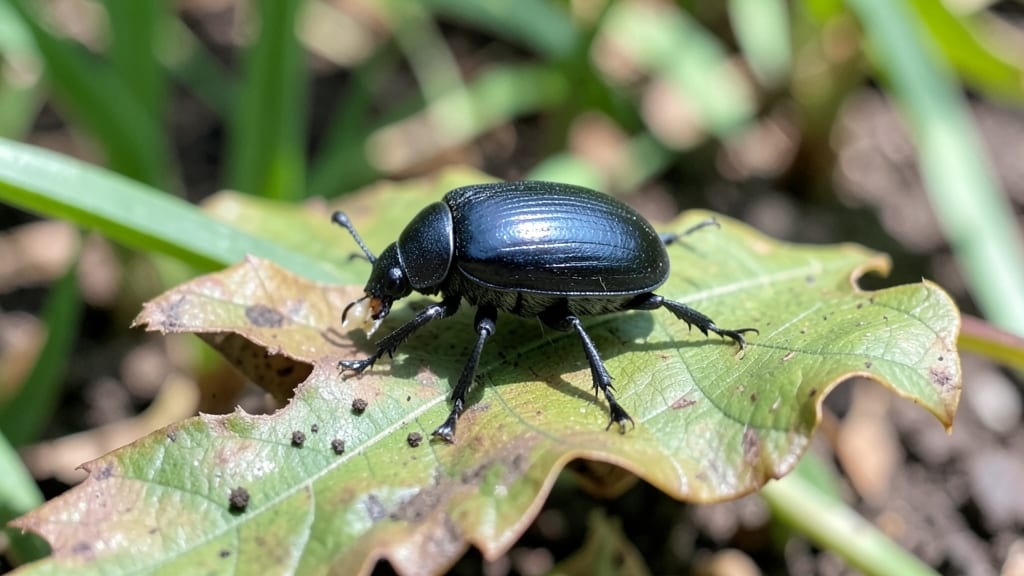
Getting rid of slugs in the garden starts with understanding their sneaky habits—because those slimy trails after rain aren’t just gross, they’re a sign your plants are under siege. 🌱 I’ve lost count of how many tender seedlings I’ve seen turn to slime-covered skeletons overnight, and I refuse to let that happen again.
The good news? You don’t need harsh chemicals to win this battle—just a few clever, plant-safe tricks that actually work.
My go-to method is a simple beer trap: bury a shallow container filled with beer at ground level, and slugs crawl in for a drink but can’t crawl out.
Copper tape wrapped around pots creates an invisible electric fence they avoid, while crushed eggshells scattered around beds act like tiny razors to their soft bodies. The best part? These solutions work fast—within 24-48 hours—and keep coming back for more slugs night after night.
You’ll see the difference in just a few days: no more ragged leaves, no more mystery holes in your lettuce, and no more waking up to a garden that looks like it’s been through a sluggy warzone.
The key is consistency—combine traps with prevention, like removing hiding spots and watering in the morning so slugs dry out faster. Your garden will thank you.
Works for vegetable patches, flower beds, and even container gardens—no matter how many slugs you’re dealing with, these methods scale up without harming your plants or the critters that pollinate them. Here’s how to set up your slug-free defense system today.
What Draws Slugs to Your Garden
Slugs don’t just wander into your garden by accident—they’re lured by specific conditions and resources that make your space an all-you-can-eat buffet. Understanding these triggers is the first step to outsmarting them. Here’s why your garden might be a slug magnet:
Slugs thrive in environments that mimic their natural habitat: damp, dark, and sheltered. Your garden could be a perfect match if:
- 💧 High Humidity & Poor Drainage: Slugs need moisture to survive—their slimy bodies lose water quickly in dry conditions. Gardens with thick mulch, overwatered soil, or shaded areas (especially under dense foliage or decking) create ideal humidity pockets.
Even morning dew or evening watering can signal: "Free hydration station here!" - 🍃 Dense Ground Cover: Leaf litter, thick grass, or low-lying plants (like hostas or ferns) provide hiding spots during the day.
Slugs emerge at night to feed, but they retreat to these cozy nooks when the sun rises. - 🪵 Wood and Debris: Piles of logs, bark, or cardboard offer shelter and a food source (decaying wood attracts fungi, which slugs love).
Actionable Insight: Reduce mulch thickness, improve drainage, and clear debris to make your garden less inviting. 🌡️ Pro Tip: Use gravel or sharp-edged mulch (like pine needles) to deter slugs—they hate crawling over rough surfaces!
Slugs are opportunistic eaters, but they have a top-tier menu of garden favorites. If your plants are on this list, slugs will see your garden as a 5-star restaurant:
| Plant Type | Why Slugs Love It | Slug-Friendly Examples |
|---|---|---|
| Tender Leaves | Soft, juicy leaves are easy to devour. | Lettuce, basil, spinach, hostas |
| Decaying Matter | Fungi and rotting organic material = protein. | Compost piles, mushroom logs |
| Night-Blooming Plants | Less competition when slugs forage. | Petunias, snapdragons, some roses |
| Succulents (if stressed) | Unusual, but slugs eat wilted or damaged plants. | Overwatered succulents, stressed herbs |
🔍 Watch for: Slugs leave silver trails and irregular holes in leaves—signs they’ve dined recently. 💡 Quick Fix: Replace high-risk plants with slug-resistant options like lavender, geraniums, or marigolds, which slugs avoid due to strong scents.
Slugs are nocturnal—they come out when it’s dark, damp, and cool. Your garden’s evening behavior might be unknowingly inviting them:
- 🌑 Artificial Light: Outdoor lights (especially warm-toned bulbs) attract insects, which in turn attract slugs hunting for an easy meal. - 🌧️ Rainy or Overcast Nights: Slugs are most active after rain when the ground is soft and moist.
A single downpour can trigger a slug feast for days. - 🌿 Lack of Predators: Birds, frogs, and ground beetles naturally keep slug populations in check. If your garden lacks these helpers (due to pesticides or habitat loss), slugs multiply unchecked.
⏰ Timing Matters: Slugs peak activity is 1–3 hours after sunset and before dawn. 🎯 Strategy: Set traps or barriers evening and check them morning for maximum effectiveness.
Slugs reproduce exponentially when conditions are right. If your garden has: - 🌤️ Warm, Wet Springs/Falls: The perfect slug breeding season.
A single egg mass can contain 20–40 eggs, hatching in 2–3 weeks. - 🍂 Fallen Leaves & Decay: A thick layer of leaves insulates the soil, keeping it moist and ideal for egg-laying. - 🌿 Unchecked Spread: One slug can lay hundreds of eggs in a season.
Without intervention, their numbers grow like a slug snowball.
🚨 Warning Signs: Glossy, shiny trails on leaves or soil mean adults are active. 💡 Early Action: Remove egg masses (small, jelly-like clusters) by hand in spring to break the cycle.
Natural Slug Control Methods
Slugs may feel like an unstoppable force, but with the right strategies, you can reclaim your garden without resorting to harsh chemicals. Below, we’ve mapped common causes to effective, humane solutions—plus prevention tips to keep these slimy invaders at bay for good.
Slugs thrive in damp, dark conditions, so adjusting your garden’s environment can deter them naturally.
🔥 Solution:
- Improve drainage by amending soil with compost or sand to reduce moisture retention.
- Add mulch (gravel, straw, or pine needles) to create a drier surface—slugs avoid dry, gritty areas.
- Prune dense plants to allow sunlight and airflow, making the garden less slug-friendly.
💡 Pro Tip: Water plants early in the day so soil dries faster, leaving slugs with fewer hiding spots.
Slugs are attracted to tender young leaves, decaying matter, and fallen fruit. Cut off their food supply to discourage visits.
🍳 Solution:
- Pick up fallen fruit, veggies, and debris daily—slugs feast on organic waste.
- Avoid over-fertilizing with nitrogen-rich compost, which encourages lush, slug-loved growth.
- Plant slug-resistant crops like lavender, geraniums, or marigolds as natural repellents.
🎯 Prevention Hack: Surround vulnerable plants (like lettuce or hostas) with copper tape—the mild electric charge deters slugs.
Slugs are most active after dark. Use non-lethal traps to catch and relocate them safely.
👨🍳 Solution:
- Beer traps: Bury a shallow container filled with beer (slugs crawl in but can’t escape). Empty and reset every few days.
- Garden centers: Place a board or flat stone in the garden—slugs hide underneath during the day. Check and release them far from your garden.
- Diatomaceous earth (food-grade): Sprinkle lightly around plants. It dehydrates slugs but is safe for pets and wildlife.
⏰ Timing Matters: Set traps at dusk when slugs emerge for their nightly grazing.
Slugs love hiding under leaves, rocks, and dense foliage. A tidy garden makes it harder for them to sneak in.
🔪 Solution:
- Remove weeds and leaf litter regularly—these provide perfect slug hideaways.
- Use raised beds or elevated planters to limit ground contact (slugs struggle to climb smooth surfaces).
- Create barriers with crushed eggshells, wood ash, or coffee grounds around garden edges.
🌡️ Heat Trick: Place black plastic sheeting over soil during the day—slugs will retreat into the shade, making them easier to spot and remove.
Final Thought: Slug control is about disrupting their habitat while keeping your garden thriving. Combine environmental tweaks, traps, and preventive barriers for the best results. With consistency, your garden will become a slug’s least favorite neighborhood! 🚫🐌
Frequently asked questions about slug control
Why do slugs prefer my garden over others?
Slugs target gardens with moist, shaded areas, decaying matter, and their favorite plants like lettuce or hostas. They’re also drawn to evening dampness from watering or rain. Check for silver trails or ragged leaves—these are their calling cards!
How long does it take for beer traps to work?
Beer traps typically catch slugs within 24-48 hours of setup. For best results, place containers at ground level and refresh the beer every few days. Check traps at dawn when slugs are most active!
Are crushed eggshells really effective against slugs?
Yes! The sharp edges act like tiny razors to their soft bodies. Sprinkle them around vulnerable plants, but reapply after rain. For extra protection, combine with copper tape—this duo creates an impenetrable slug barrier!
Can I use salt to kill slugs?
While salt does dehydrate slugs, it’s not recommended—it can harm soil and nearby plants. Instead, opt for food-grade diatomaceous earth or wood ash, which are equally effective and safer for your garden ecosystem.
What’s the best time of day to check slug traps?
Morning is ideal! Slugs are most active at dusk and dawn, so traps filled overnight will be full by sunrise. Empty and reset traps daily for continuous protection during peak slug seasons (spring and fall).