
Tools
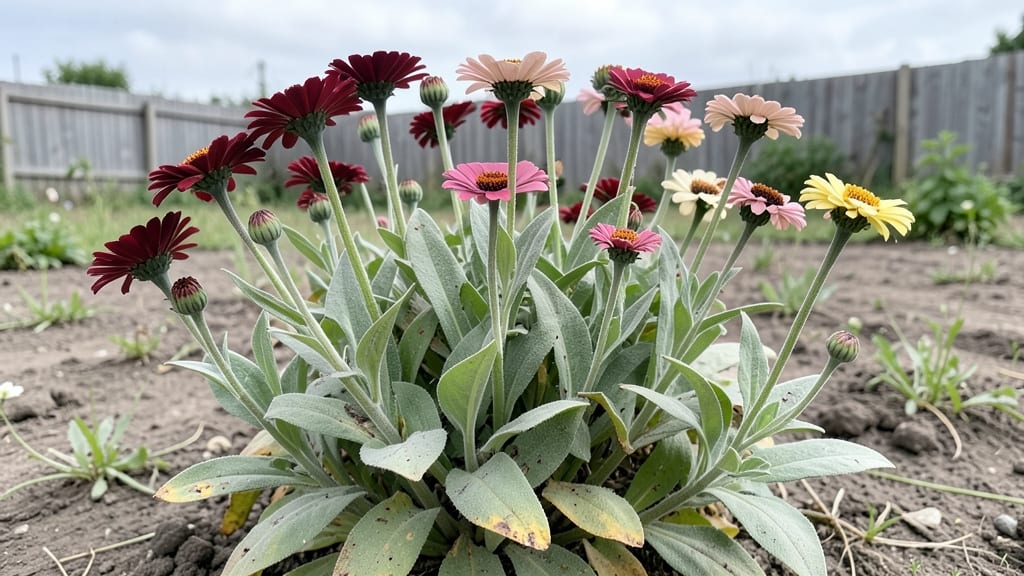
Gardening in Minnesota means choosing plants that laugh at frost and keep coming back every spring. I've learned the hard way—my first garden died back to the roots by October, but these cold-hardy perennials have survived winters with subzero temps and still bloom like they're on vacation.
The secret isn't just picking the right plants, though; it's knowing when to cut back, how to mulch, and which varieties actually make it through our brutal winters without complaining.
Think coneflowers that stand tall after snowmelt, catmint that comes back stronger each year, and hostas that grow bigger despite the cold. These plants thrive in zones 3-5, where our last frost can hit as late as May 15 and first frosts arrive by September 15.
The MN Extension even lists these as top performers for our climate, so you're not just guessing—you're following science-backed advice. Plus, they handle our heavy clay soil better than most annuals ever could.
By late summer, you'll have gardens that stay lush while neighbors are still fighting weeds. The right perennials mean less work for you—no replanting every year, no fussing over tender seedlings. Just cut back in early spring, add a thick layer of mulch, and watch them bounce back.
Even my black thumb can't kill these tough guys. The payoff? Four seasons of interest, from early spring foliage to late fall color.
For those first-time Minnesota gardeners, start with three proven plants: Russian sage for drought resistance, sedum for late-season blooms, and daylilies for their sheer stubbornness. Check with local nurseries like Baker Creek Heirloom Seeds or MN Landscape Arboretum for varieties that do best in your specific microclimate.
Here's how to make them work for you—no matter what Mother Nature throws at you.
📚 In This Guide
- What you need
- Instructions
- Tips and common mistakes
- Wrapping up and next steps
What you need
- ● Cold-hardy perennial plants: Choose from MN-friendly varieties like coneflowers (Echinacea), black-eyed Susans (Rudbeckia), hostas, lavender, and sedum. Aim for 3–5 plants per variety to ensure a full, vibrant look.
- ● High-quality soil: 50 lbs of compost (or organic matter) to amend native MN soil, which can be heavy clay or sandy.
- ● Mulch: 2–3 bags (2–3 cubic feet each) of wood chips or straw to insulate roots and retain moisture.
- ● Organic fertilizer: 10–20 lbs of a balanced, slow-release formula (e.g., 10-10-10 or compost tea).
- ● Basic gardening tools: Trowel (for transplanting)
- ● Pruners (sharp, bypass-style)
- ● Garden gloves (waterproof, for comfort)
- ● Hand fork (for breaking up soil)
- ● Measuring & prep: Measuring tape (10–25 ft)
- ● Garden hose with adjustable nozzle (for watering)
- ○ Wheelbarrow (optional but handy for hauling soil/mulch)
- ● Sunlight assessment: Test your yard’s sunlight exposure (full sun = 6+ hours/day; partial shade = 3–6 hours). Most MN perennials thrive in full sun to partial shade.
- ● Drainage check: Dig a small hole (6" deep) and fill it with water. If it drains slowly (sand or perlite.
- ● Local expertise: Visit a MN nursery (e.g., Eden Prairie Nursery) for region-specific recommendations!
Step-by-Step guide to planting cold-hardy perennials in Minnesota
Minnesota’s climate demands smart choices—here’s how to select and establish perennials that handle frost, snow, and rapid temperature swings.
Choose the Right Perennials for MN’s Zones
Minnesota spans USDA Zones 3-5, so pick perennials rated for at least Zone 3 to ensure survival through winter. My top cold-hardy picks include coneflowers, black-eyed Susans, Russian sage, and catmint—all of which rebound beautifully after snow melt. Check your specific zone (most of MN falls in Zone 4) and select plants labeled for that or colder zones.
Look for clumping perennials like daylilies or hostas over those that spread aggressively, like mint or creeping Charlie. These stay contained without taking over your garden. I always check the mature height too—tall varieties like Joe Pye weed need space at the back of borders, while shorter sedum or heuchera work well in front.
Prepare the Soil Before Planting
Minnesota’s soil can be dense and clay-heavy, so amend it with 2-3 inches of compost mixed into the top 6 inches of soil. This improves drainage and aeration, which is critical for roots surviving freeze-thaw cycles. I use a garden fork to loosen the soil before adding compost—this prevents compaction that can suffocate roots in winter.
Test your soil’s pH if possible. Most perennials prefer a slightly acidic to neutral range (6.0-7.0). If your soil is too alkaline, add sulfur or peat moss to adjust it gradually. Avoid fresh manure—it can burn roots and should be aged for at least 6 months before use. Work the amendments into the soil until it looks dark and crumbly, like a well-made cake batter.
Plant at the Right Time and Depth
In Minnesota, the best planting window is late summer to early fall (August-September). This gives roots time to establish before winter, so they’re less vulnerable to frost heave. If planting in spring, do it as soon as the ground is workable—after the last frost date (typically mid-May in most of MN).
Dig a hole twice as wide as the root ball but only as deep as the container it came in. Place the plant in so the top of the root ball sits level with the soil surface—burying too deep can suffocate stems, while planting too high leaves roots exposed. Gently firm the soil around the roots and water deeply to eliminate air pockets. You’ll know it’s right when the soil feels firm but not rock-hard.
Mulch Heavily for Winter Protection
After planting, apply 3-4 inches of mulch (straw, shredded leaves, or wood chips) around the base of each perennial. This insulates roots from freeze-thaw cycles, which can heave plants out of the ground. I avoid thick layers of wood chips near stems, as they can trap moisture and cause rot—keep mulch 2-3 inches away from plant centers.
Replenish mulch in early spring if it’s broken down over winter. This helps regulate soil temperature and retains moisture during MN’s unpredictable spring rains. Avoid synthetic mulches—they don’t break down and can suffocate soil over time. Organic mulch also feeds the soil as it decomposes, giving your perennials a nutrient boost for the next growing season.
Water and Fertilize Strategically
Water newly planted perennials deeply once a week during the first growing season, aiming for 1 inch of water per week. In Minnesota’s dry spells (even in summer), this keeps roots hydrated without overwatering. You’ll know you’ve watered enough when the soil feels moist 3 inches down—stick your finger in to check. Overwatering in winter can lead to rot, so reduce watering as temperatures drop below 40°F.
Fertilize lightly in early spring with a balanced, slow-release fertilizer (10-10-10). Avoid high-nitrogen feeds—they encourage leafy growth at the expense of root strength, which is critical for winter survival. I also side-dress with compost in late summer to build soil fertility naturally. Perennials established for a few years often need little extra fertilizer, as healthy soil provides enough nutrients.
Tips & tricks for planting cold-hardy perennials in Minnesota
Minnesota’s unpredictable climate can make or break your perennials—here’s how to give them the best shot at thriving through frost, snow, and everything in between.
Zone Selection Matters: When choosing perennials in Step 1, don’t just look at the Zone 3-5 label—check the specific hardiness rating. For example, Russian sage thrives in Zone 4 but may struggle in Zone 3’s harshest winters. I always cross-reference with the Arctic Garden Plant Hardiness Chart for extra confidence. If you’re in northern MN, opt for varieties like catmint or heuchera that have proven resilience in Zone 2 trials.
Soil Prep Secret: In Step 2, that 2-3 inches of compost isn’t just about nutrients—it’s about creating air pockets that prevent soil from freezing solid. I take it a step further by adding perlite or coarse sand to heavy clay soils to improve drainage. This is especially critical in Minnesota’s freeze-thaw cycles, which can suffocate roots if the soil stays too compacted. Think of it like giving your plants a winter coat with built-in ventilation.
Timing is Everything: The August-September planting window in Step 3 gives roots time to establish before winter, but don’t wait too late. I’ve seen firsthand how plants set in October can struggle to root before frost. For spring planting, mark your calendar for mid-May—that’s when soil temperatures consistently stay above 50°F, signaling safe planting. Pro tip: Use a soil thermometer to check—roots won’t establish properly if soil stays below 45°F.
Mulching Like a Pro: That 3-4 inches of mulch in Step 4 isn’t just for looks—it’s a survival blanket. I use straw for insulation and shredded leaves for moisture retention, layering them strategically. For new plantings, I pull mulch back slightly from stems to prevent rot, but leave it thick around the root zone. In early spring, I always check for voles or mice tunneling under mulch—they can damage emerging shoots.
Pro Tips for Gardening In Mn
- Minnesota’s unpredictable climate can make or break your perennials—here’s how to give them the best shot at thriving through frost, snow, and everything in between.
- Zone Selection Matters: When choosing perennials in Step 1, don’t just look at the Zone 3-5 label—check the specific hardiness rating.
- Soil Prep Secret: In Step 2, that 2-3 inches of compost isn’t just about nutrients—it’s about creating air pockets that prevent soil from freezing solid.
Frequently asked questions
Got questions about gardening in Minnesota’s unique climate? You’re not alone! Here are some of the most common queries—plus straightforward answers—to help you grow cold-hardy perennials with confidence.
What are the best cold-hardy perennials for Minnesota’s short growing season?
Minnesota’s Zone 3-5 climate favors perennials like coneflowers, black-eyed Susans, Russian sage, and catmint. These thrive in cold winters and bounce back early in spring. For shade, try heuchera or hostas—both are tough and low-maintenance!
How do I protect my perennials from Minnesota’s harsh winters?
Mulch is your best friend! Apply 2-3 inches of straw or shredded leaves after the first frost to insulate roots. For delicate perennials, add a lightweight row cover or a cloche. Avoid heavy mulch, which can suffocate plants. Most perennials handle cold well, but tender varieties may need extra care.
When should I plant perennials in Minnesota?
For spring planting, aim for early May once soil temps hit 50°F. Fall is also ideal—plant 6-8 weeks before the first frost (usually mid-September) to give roots time to establish. Never plant in summer heat—it stresses young plants.
What tools do I need for low-maintenance perennial gardening in MN?
Start with basics: a sturdy trowel, pruners, and garden gloves. A mulching mower saves time, and a soil knife helps divide perennials. For larger gardens, a broadfork improves soil without tilling. Skip expensive gadgets—focus on quality tools that last through freeze-thaw cycles!
How do I deal with pests like deer or rabbits in my Minnesota garden?
Deer and rabbits love perennials! Physical barriers (like chicken wire or deer fencing) work best. Plant deer-resistant varieties like lamium or salvia. For rabbits, repellent sprays (with hot pepper) or motion-activated sprinklers deter them. Avoid chemical pesticides—they harm pollinators!
Wrapping up and next steps
Gardening in Minnesota doesn’t have to be a seasonal struggle—with the right cold-hardy perennials, your yard can burst with color and life year-round! From coneflowers to black-eyed Susans, these resilient plants prove that even Minnesota’s chilly climate can nurture a thriving garden.
Whether you’re a beginner or a seasoned gardener, embrace the challenge and watch your outdoor space transform into a vibrant, low-maintenance oasis.
Ready to take the next step? Start small—pick one or two perennials to plant this season, then expand your garden as you gain confidence. Happy planting! 🌱