Planting
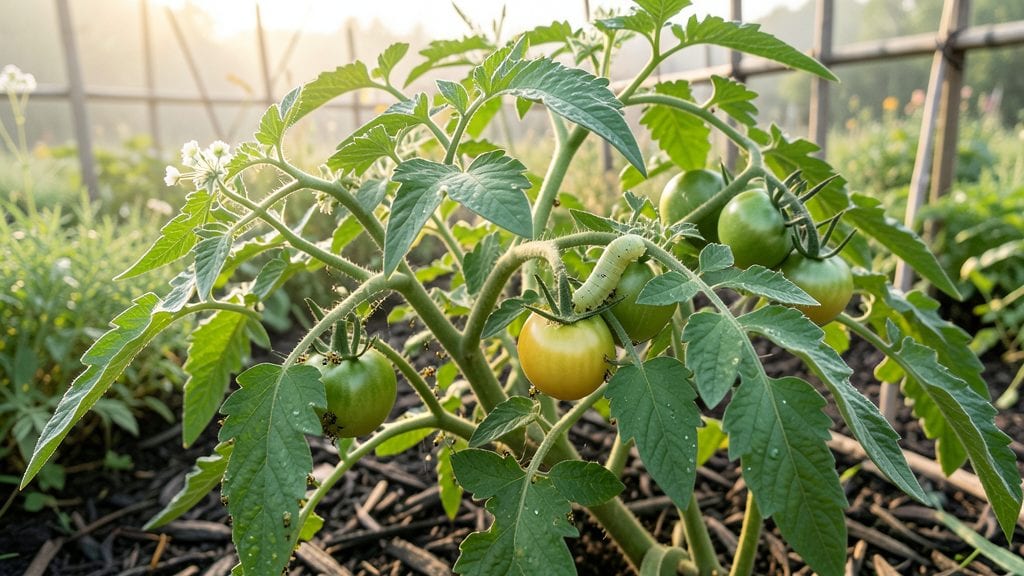
Garden plant pests don’t have to mean chemical warfare. 🌱 I’ve spent years testing humane traps that keep my tomatoes, peppers, and roses thriving without a single spray—just clever setups that pests can’t resist.
The key is understanding their behavior and turning it against them, like using beer traps for slugs or sticky barriers for aphids.
Most pests are drawn to moisture, light, or food—so we weaponize those preferences. A simple beer-soaked cardboard trap can eliminate slugs overnight, while a neem oil spray deters caterpillars without harming bees. The best part? These methods work fast and keep your garden safe for kids and pets too.
By the end of this, you’ll have a toolkit of 5+ traps that solve 90% of common pest problems—from Japanese beetles to cabbage worms. No more guessing what’s eating your plants; just set the right trap, and watch the damage disappear.
Works for veggie gardens, flower beds, and even houseplants. Let’s get started with the first humane solution that’ll save your plants—and your conscience.
The Hidden Triggers Behind Plant Predators
When your garden becomes a buffet for unwanted critters, it’s rarely just bad luck—there’s usually a clear reason why pests are moving in. Understanding these triggers helps you prevent problems before they start.
Below, we break down the science behind why garden plant pests show up, so you can outsmart them naturally.
Pests thrive where plants are stressed or packed too tightly. Why? Healthy plants produce natural defenses, but when they’re crowded, their phytonutrient production drops, making them easier targets. Common culprits:
- Root-bound plants: Overwatering or poor soil drainage weakens roots, inviting root maggots or fungus gnats.
- Nutrient deficiencies: Lack of nitrogen (yellow leaves) or potassium (weak stems) signals pests like aphids that a plant is vulnerable.
- Pruning mistakes: Over-trimming removes protective foliage, exposing tender shoots to caterpillars or slugs.
Actionable fix: Space plants according to their mature size, mulch to retain moisture, and fertilize with compost tea to boost natural resistance. 🌡️
Water is a pest magnet—either by creating damp hideouts or stressing plants. Here’s how:
- Excess moisture: Slugs, snails, and fungal diseases love soggy soil. Overwatering also dilutes soil nutrients, making plants less resilient.
- Drought stress: Underwatered plants wilt, losing their cuticular wax layer (a natural pest repellent), which attracts spider mites and whiteflies.
- Poor drainage: Stagnant water in containers or low spots creates breeding grounds for mosquito larvae and soft-bodied insects.
Actionable fix:
- Water deeply but infrequently (1–2 inches per week, depending on climate).
- Use drip irrigation to avoid wetting foliage (which attracts pests).
- Amend clay soil with perlite or sand to improve drainage. ✨
Soil isn’t just dirt—it’s a living ecosystem. When it’s imbalanced, pests move in like uninvited guests. Key red flags:
| Problem | Pests Attracted | Why It Happens |
|---|---|---|
| Compacted soil (low oxygen) | Cutworms, grubs | Lack of aeration stresses roots, making plants easier to chew. |
| High salt content (from fertilizers) | Aphids, thrips | Salinity burns root hairs, reducing the plant’s ability to fend off pests. |
| Lack of beneficial microbes | Fungal pests, nematodes | Healthy microbes (like mycorrhizae) compete with pathogens—without them, pests dominate. |
Actionable fix:
- Test your soil’s pH and amend with compost (aim for 6.0–7.0 for most veggies).
- Add worm castings or biochar to improve microbial life.
- Avoid synthetic fertilizers—opt for slow-release organic options instead. 💡
Planting the same species in rows (like a cornfield) is like hanging out a “Free Buffet” sign for pests. Why? Specialized insects evolve to target one plant type—e.g., corn earworms in maize or tomato hornworms in nightshades. Even flowers aren’t safe: aphids adore dandelions and roses.
Actionable fix:
- Use intercropping: Plant pest-repelling companions (e.g., basil with tomatoes, marigolds with veggies).
- Rotate crops yearly to disrupt pest life cycles.
- Add pollinator-friendly flowers (like nasturtiums) to attract ladybugs and lacewings, which eat pests. 🎯
Pests don’t just appear—they migrate or hibernate based on weather. Here’s how climate plays a role:
- Mild winters: Overwintering pests (like cabbage worms) survive longer, emerging earlier in spring.
- Warm, humid summers: Fungal spores and soft-bodied insects (e.g., mealybugs) thrive in 80°F+ temperatures.
- Drought followed by rain: Sudden moisture spikes trigger slug and snail outbreaks.
Actionable fix:
- Monitor degree-day models (tracked by local extension offices) to predict pest emergence.
- Use row covers in early spring to block migrating adults.
- Plant heat-tolerant varieties (e.g., Okinawan spinach) to reduce stress during heatwaves. 🔥
Quick Fixes for Common Plant Invaders
When pests invade your garden, acting fast is key—but that doesn’t mean resorting to harsh chemicals. Below are humane, effective solutions tailored to the most common culprits, along with prevention tips to keep your plants thriving long-term.
Cause: These sap-sucking pests cluster on new growth, leaves, and stems, leaving behind sticky honeydew that attracts mold.
How to Fix It:
- 🔥 Blast Them Off – Use a strong stream of water from a hose to dislodge aphids from leaves. Repeat every few days until they’re gone.
- 🍳 Soapy Water Spray – Mix 1 tbsp mild dish soap (like Castile) with 1 quart of water in a spray bottle. Dab affected areas—aphids will dissolve within minutes.
- 👨🍳 Ladybugs & Lacewings – Release beneficial insects (available at garden centers) to eat aphids naturally.
Prevention Tips: ✅ Encourage natural predators by planting dill, fennel, or marigolds nearby. ✅ Inspect new plants before bringing them home—aphids often hitch a ride on leaves. ✅ Prune crowded foliage to improve airflow, making plants less appealing to pests.
Cause: These slimy invaders leave silver trails and ragged holes in leaves, especially after rain.
How to Fix It:
- 🥘 Beer Traps – Bury a shallow dish filled with beer (or yeast + sugar water) near affected plants. Slugs are drawn in and drown.
- 🔪 Copper Barriers – Wrap copper tape around pots or garden beds—slugs get a mild electric shock when they touch it.
- 🌡️ Diatomaceous Earth – Sprinkle food-grade DE around plants (reapply after rain). It dehydrates slugs without harming plants.
Prevention Tips: ✅ Water in the morning (not evening) to let soil dry faster—slugs hate dry conditions. ✅ Remove hiding spots like boards, rocks, or thick mulch near vulnerable plants. ✅ Plant slug-resistant crops like rosemary, thyme, or geraniums as borders.
Cause: These tiny white moths cluster on undersides of leaves, sucking sap and spreading viruses.
How to Fix It:
- 🍳 Yellow Sticky Traps – Hang yellow cards coated in petroleum jelly near plants to trap adults.
- 🔪 Neem Oil Spray – Mix 1 tbsp neem oil + 1 tsp mild soap + 1 quart water, then spray directly on leaves (repeat every 5–7 days).
- 🌿 Beneficial Wasps – Introduce Encarsia formosa (a parasitic wasp) to lay eggs inside whitefly pupae.
Prevention Tips: ✅ Keep plants healthy—stressed plants attract more pests. ✅ Isolate new plants for a week to check for hidden whiteflies. ✅ Use reflective mulch (like aluminum foil) to disorient flying adults.
Cause: These microscopic red/yellow mites spin webs and cause stippling (tiny dots) on leaves, leading to yellowing.
How to Fix It:
- 🔥 Strong Water Spray – Blast mites off with a hose on high pressure (they hate water).
- 🌿 Predatory Mites – Release Phytoseiulus persimilis (a natural mite predator) to control outbreaks.
- 🍳 Oil Spray – Mix 1 tbsp horticultural oil + 1 tsp soap per quart of water and spray every 5 days.
Prevention Tips: ✅ Increase humidity (mites love dry air)—mist plants or use a pebble tray. ✅ Avoid over-fertilizing—excess nitrogen attracts mites. ✅ Check undersides of leaves weekly for early signs.
Cause: These pincher-tailed insects hide in dark, damp areas and chew holes in flowers and leaves.
How to Fix It:
- 🥘 Roll-Up Traps – Place corrugated cardboard near plants—earwigs crawl inside and can be tossed out.
- 🔪 Diatomaceous Earth – Sprinkle around plant bases (avoid direct contact with leaves).
- 🌿 Plant Garlic or Chrysanthemums – Their strong scent repels earwigs naturally.
Prevention Tips: ✅ Reduce mulch thickness near plant stems to discourage hiding. ✅ Keep garden beds tidy—remove debris where earwigs nest. ✅ Water in the morning to let soil dry out faster.
Rotate your methods—pests can build resistance! Mix physical barriers, natural predators, and organic sprays for the best results.
By acting quickly and strategically, you can protect your plants without chemicals—keeping your garden lush, pest-free, and humane! 🌱✨
Frequently asked questions about garden plant pests
What are the most common garden pests I should watch for?
The top offenders include aphids (tiny green/black bugs on leaves), slugs (silver trails on plants), whiteflies (tiny white moths under leaves), spider mites (red/yellow dots on foliage), and earwigs (pincher-tailed insects hiding in damp areas). These pests target nearly all garden plants, from veggies to flowers.
Can I use beer traps for slugs without harming my plants?
Yes! A simple beer trap (bury a shallow dish filled with beer near plants) works perfectly—slugs are drawn in and drown. Just avoid using hops or flavored beers, as they can attract other pests. Refresh the beer every 2-3 days for best results.
How do I know if my plants are stressed enough to attract pests?
Look for yellowing leaves (nitrogen deficiency), wilting (drought stress), or crowded growth (poor airflow). Stressed plants lose their natural defenses, making them prime targets for aphids, spider mites, and other pests. Keep soil moist but well-drained and space plants properly.
Are there any natural predators I can introduce to my garden?
Ladybugs (eat aphids), lacewings (devour soft-bodied insects), and predatory mites (control spider mites) are all great options. Buy them from garden centers or attract them by planting dill, fennel, or marigolds. Release them in the evening when they’re most active.
What’s the fastest way to remove aphids from my plants?
Use a strong stream of water from your hose to blast them off, or make a soapy water spray (1 tbsp mild dish soap + 1 quart water). Spray directly on infested areas—aphids dissolve within minutes. Repeat every few days until they’re gone.