
Tools
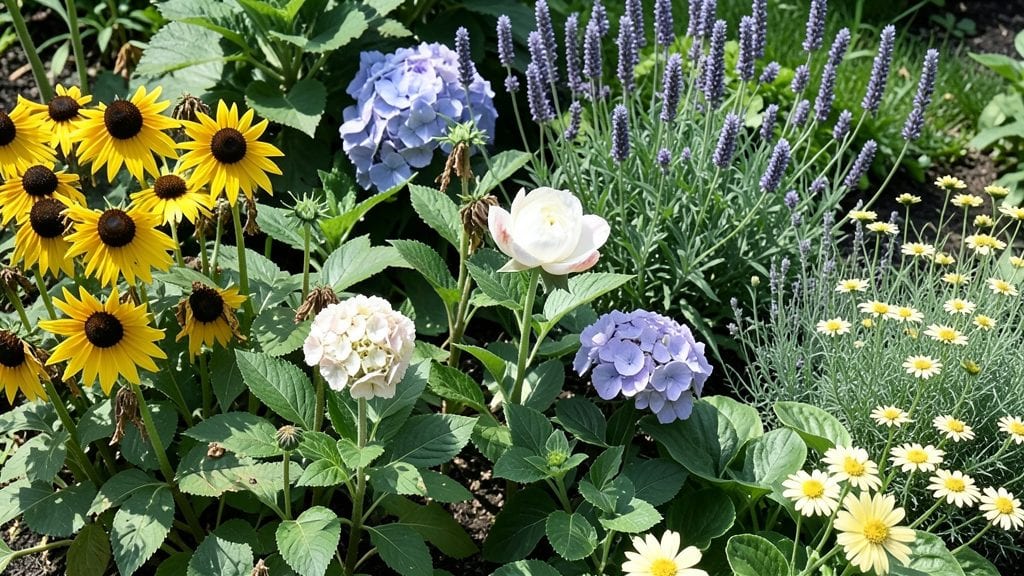
Garden Zone 7 is a USDA hardiness region where winters average between 0°F and 10°F (-18°C to -12°C), allowing gardeners to grow hardy plants like roses, hydrangeas, and fruit trees. This zone covers parts of the eastern U.S., including Virginia, Tennessee, and Missouri.
Understanding your USDA Zone 7 helps you pick plants that thrive in your area's climate without needing extra winter protection. The temperature range defines which species survive frost, but local factors like elevation or urban heat can create microclimates that shift hardiness slightly.
For example, a valley might stay warmer than nearby hills, letting you grow a wider variety of cold-sensitive plants. 🌱
This zone's reliability makes it ideal for both beginners and experienced gardeners—you can count on perennials returning year after year while still experimenting with tender annuals during warmer months. Many cold-hardy vegetables like kale and broccoli also perform exceptionally well here, giving you a longer harvest season.
💡 In This Article
- USDA Zone 7 Plant Hardiness Explained
- Best Plants for USDA Zone 7 Gardens
USDA Zone 7 plant hardiness explained
Zone 7's temperature range—0°F to 10°F (-18°C to -12°C)—is determined by the average annual minimum temperature over a 30-year period, using data from weather stations across the country. The USDA calculates these zones by analyzing historical frost records and plant survival rates in controlled trials.
For instance, a peach tree (hardy to 5°F) will survive winters in most of Zone 7, while a citrus tree (hardy to 20°F) would perish without winter protection.
The 10°F difference between Zone 7a (0°F to 5°F) and 7b (5°F to 10°F) can mean the difference between a thriving garden and a failed crop. 🌡️
The first frost in Zone 7 typically arrives between October 15 and November 15, depending on elevation and proximity to large bodies of water.
For example, Charlottesville, VA (Zone 7a) averages its first frost on November 1, while Nashville, TN (Zone 7b) sees frost slightly later, around November 10. These dates shift 1-2 weeks earlier at higher elevations (like 3,000 feet in the Appalachians) compared to lower valleys.
Microclimates—like a south-facing slope or urban heat islands—can also delay frost by 1-3 weeks, allowing gardeners to extend the growing season for tender plants. 🌿
USDA maps use color-coded zones to visualize hardiness, but real-world conditions vary. For example, a 10°F temperature dip in Zone 7a might kill a crape myrtle (Zone 6), while the same plant thrives in Zone 7b where winters rarely drop below 5°F.
Gardeners must also consider chilling hours—many fruit trees (like apples) need 400-800 hours below 45°F to produce fruit. A warmer microclimate might satisfy chilling requirements faster, leading to earlier blooms but potential frost damage. 🍎
Urban areas often experience warmer microclimates due to concrete and pavement retaining heat, creating "heat islands" that can push a neighborhood into a higher zone than rural areas just miles away.
For instance, Atlanta, GA (Zone 7b) might see Zone 8 conditions in downtown areas, while suburbs remain true to Zone 7. Conversely, mountainous regions like western North Carolina can drop into Zone 6 or even 5 at higher elevations, despite being geographically within Zone 7 boundaries.
This variability means gardeners should test their own microclimate by monitoring temperatures for 3-5 years before fully trusting the USDA map. ❄️
Plant survival rates in Zone 7 also depend on soil insulation and mulching techniques. A 4-inch layer of straw mulch can protect roots from -5°F temperatures, while evergreen boughs provide windbreaks that reduce frost damage by 2-5°F.
For example, a hydrangea (Zone 3-7) planted in well-drained soil with mulch will survive Zone 7a winters, while the same plant in poorly drained soil may succumb to root rot or freeze damage. Understanding these nuances helps gardeners push the limits of their zone safely. 🌱
What most gardeners overlook is how late-spring frosts (common in Zone 7 until April 15) can devastate tender new growth. A 28°F frost in April will kill tomato plants that have already sprouted, even if they’re technically hardy to 32°F.
This is why many Zone 7 gardeners use frost cloths or plant heat-loving crops (like peppers) only after May 1. The key takeaway? Zone 7 isn’t just about winter survival—it’s about managing both extremes of the growing season. 🌤️