Vegetables
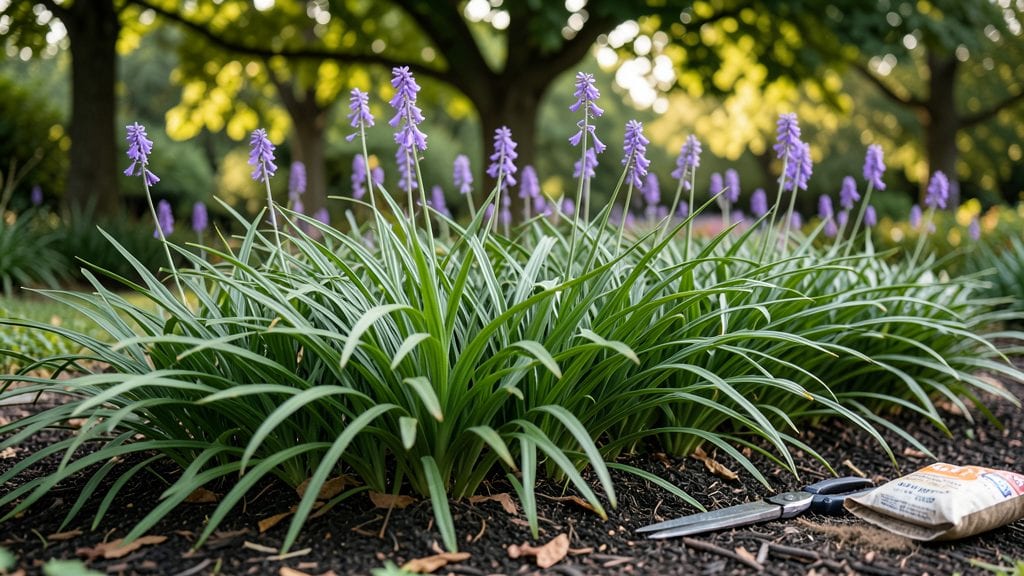
Washington, DC’s garden zone—USDA Zones 7a to 8a—supports cold-hardy plants like dwarf lilacs, Russian sage, and boxwood that flourish year-round. Prioritize perennials and shrubs rated for 0°F to 15°F minimums to withstand winter freezes and humid summers.
DC’s climate blends chilly winters with hot summers, creating a unique challenge for gardeners.
The USDA Zone 7a-8a classification means you can grow a wider variety of plants than colder regions, but heat waves and occasional deep freezes demand careful selection. 🌿 For example, while boxwood shrubs handle -10°F temperatures, rosemary (a Zone 8 plant) may struggle in DC’s occasional 0°F dips.
Always check plant tags for cold tolerance ratings—this small step prevents costly mistakes.
Beyond temperature, DC’s urban heat island effect can push microclimates into higher zones, especially in paved areas. This means side yards may support Zone 8b plants like olive trees, while shadier spots stay closer to Zone 7a.
Start with native species like black-eyed Susans or coneflowers, which thrive with minimal intervention and attract pollinators.
💡 In This Article
- Understanding DC’s USDA Plant Hardiness Zones
- Top Cold-Hardy Plants for DC Gardens
Understanding DC’s USDA plant hardiness zones
DC’s classification as USDA Zones 7a-8a means winter lows typically range from -15°F to 10°F, while Zone 8a’s upper limit reaches 15°F.
This 15°F spread creates nuanced growing conditions—plants rated for Zone 7a (like serviceberry trees) can survive DC’s harshest winters, while Zone 8b varieties (like crape myrtle) may push limits during occasional 0°F dips.
The key difference from neighboring Maryland or Virginia is DC’s urban heat island effect, where asphalt and concrete can raise microclimates by 5-10°F in summer.
Average last frost dates in DC hover around April 15 for spring, while fall’s first frost typically arrives October 30. These dates shift yearly—2023 saw a March 20 last frost, while 2021 extended to April 25.
For cold-hardy plants, this means Zone 7a perennials like hostas can safely emerge by mid-April, while tender annuals (like tomatoes) must wait until May 15 after soil warms to 60°F. The 10°F temperature swing between day and night in spring also tests plant resilience.
Microclimates complicate zone selection—north-facing walls stay Zone 7a, while south-facing patios may reach Zone 8b. This explains why rosemary (Zone 8) thrives in a sunlit courtyard but dies in a shaded corner.
Urban heat islands also delay first frosts by 1-2 weeks in summer, allowing Zone 9 plants like bougainvillea to survive brief exposures. Always test soil temperature with a thermometer—55°F is ideal for planting cold-hardy perennials in spring.
Seasonal shifts matter more than absolute zones: DC’s summers average 85°F with 90% humidity, stressing heat-sensitive plants like hydrangeas (which prefer afternoon shade). Meanwhile, winter’s 20°F dips can freeze unprotected roots.
The solution? Mulch with 3-4 inches of shredded bark to insulate soil and retain moisture—this 5°F buffer can mean the difference between survival and loss for marginal Zone 7a plants.
Here’s what most gardeners overlook: DC’s winter sun angle creates cold pockets. East-facing slopes warm faster in spring, while low-lying areas stay colder. Use this to your advantage—plant Zone 6 hardy winter jasmine in sheltered spots where it’ll thrive despite the zone rating.
The 10°F variance within a single yard proves microclimates matter more than the zone label alone.
Pro tip: Check the USDA’s Plant Hardiness Zone Map for your exact address—DC’s zones shift 0.5-1 zone between neighborhoods. For example, Georgetown (Zone 7b) is colder than Anacostia (Zone 8a) due to river influences.
Always verify with local nurseries like Green Spring Gardens, which test plants in DC’s conditions year-round.