
Pests
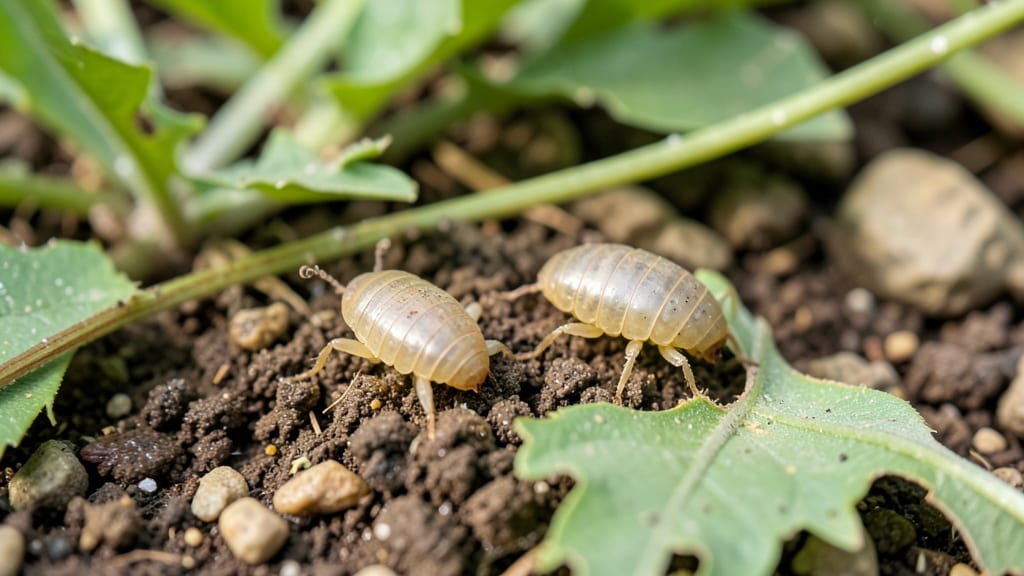
My garden pests—those relentless beetles—devastated my tomato plants last summer until I discovered these clever, chemical-free defenses. 🌿 The trick? Outsmarting them with their own survival instincts. I'll show you how to spot the damage early, then use simple methods that protect plants without harming pollinators.
Most beetle problems start with two things: eggs laid in soil and adult beetles chewing leaves. You can break this cycle with row covers for young plants, beneficial nematodes for grubs, and neem oil sprays that disrupt their feeding patterns.
The best part? These methods work whether you're growing veggies, flowers, or trying to save your lawn from white grubs.
By combining physical barriers with targeted treatments, you'll see fewer chewed leaves within days. Your plants will grow stronger, and you'll avoid the chemical smell that lingers for weeks. The secret is consistency—check plants weekly for new eggs or adults, and act fast before they multiply.
Works for home gardens, community plots, and even small urban containers. Let's get those beetles under control without losing the battle to chemicals or pests.
Root Causes of Beetle Invasions
Beetles aren’t just random visitors—they’re drawn to your garden by a mix of environmental cues, plant chemistry, and even human habits. Understanding these triggers is the first step to stopping them before they become a full-blown infestation. Here’s why beetles decide your garden is their next buffet or breeding ground.
Beetles, like many pests, are plant-specific and target gardens based on scent, color, and nutritional value. For example:
- Japanese beetles 🪲 love roses, grapes, and linden trees—their bright green bodies are a dead giveaway. These beetles are drawn to pheromones (chemical signals) released by stressed or flowering plants.
- Colorado potato beetles 🥔 zero in on nightshade plants (tomatoes, peppers, eggplants) because their leaves contain glycoalkaloids, a natural defense compound that beetles crave.
- Fungus gnats 🍄 and root weevils 🌱 are lured by damp, decaying organic matter, like mulch piles or overwatered soil, where their larvae can thrive.
Why it matters: Beetles don’t just eat—they’re chemically guided to the plants that offer the easiest meal or safest habitat. If your garden is a beetle buffet, they’ll keep coming back.
Beetles are temperature-sensitive, and their life cycles sync with seasonal changes. Here’s how weather plays a role:
| Season | Beetle Activity | Why It Happens |
|---|---|---|
| Spring 🌸 | Adult beetles emerge from soil | Warmth triggers diapause (a dormant state) to break, and moist soil helps larvae pupate. |
| Summer ☀️ | Peak feeding and egg-laying | High temps (70–90°F) speed up metabolism, making beetles more active. Drought-stressed plants release volatile organic compounds (VOCs) that attract them. |
| Fall 🍂 | Larvae burrow into soil | Cooler temps signal survival mode—larvae seek shelter to overwinter. |
Pro tip: 💡 Mulch timing matters. Applying mulch in late summer (not spring) can suffocate overwintering larvae before they hatch.
Sometimes, the problem isn’t nature—it’s us. Common gardening mistakes create the perfect beetle paradise:
- Overwatering 💦: Soggy soil attracts fungus gnats and root weevils, whose larvae thrive in anaerobic (low-oxygen) conditions.
- Poor sanitation 🗑️: Leaving fallen fruit, rotting veggies, or plant debris gives beetles a food source and hiding spots for eggs.
- Monoculture gardening 🌿: Planting the same crops (like a huge tomato patch) creates a beetle buffet—they’ll strip it bare before moving on.
- Ignoring beneficial predators 🐝: Beetles like ladybugs and ground beetles keep populations in check. Pesticides wipe them out, leaving beetles unchecked.
Why it matters: Beetles exploit gaps in your garden’s defenses. A few simple tweaks—like rotating crops or reducing standing water—can make your garden less appealing.
Some beetle outbreaks aren’t random—they’re accelerated by human activity:
- Invasive species 🚢 like the Asian longhorned beetle hitch rides on shipping pallets and infest new areas with no natural predators.
- Climate change 🌡️ extends beetle seasons—warmer winters mean more survivors, and earlier springs trigger earlier hatching.
- Urban sprawl 🏙️ reduces habitat diversity, forcing beetles to rely on gardens for food and shelter.
Actionable insight: 🌍 If you’re in a high-risk area (check local agricultural reports), early intervention is key. Trap plants or barriers can slow spread before beetles take hold.
Beat Back Beetles Naturally
Beetles might be tiny, but their damage can feel enormous—especially when they’re munching through your prized plants. The good news? You don’t need harsh chemicals to reclaim your garden. Below, we’ve mapped out practical, beetle-specific solutions based on the most common culprits and their habits.
Each fix is designed to be easy to implement, whether you’re dealing with Japanese beetles, Colorado potato beetles, or even those pesky flea beetles.
Japanese beetles are the flashy invaders—shiny green with copper wings—and they’ll devour roses, grapes, and beans in minutes. Here’s how to outsmart them:
🍳 Set Up a DIY Trap (Early Season)
- Why it works: Japanese beetles are drawn to pheromone traps, but they’ll also target other plants nearby. Place traps far from your garden (at least 30 feet away) to avoid luring more beetles in.
- How to do it:
- Buy a commercial pheromone trap or make one using a plastic bottle, a few drops of hand soap, and a little sugar water.
- Hang traps in the morning when beetles are most active.
- Check daily and dispose of trapped beetles in soapy water.
👨🍳 Handpick at Dawn or Dusk
- Why it works: Beetles are sluggish in cooler temps, making them easier to spot and remove.
- How to do it:
- Wear gloves and shake plants over a bucket of soapy water.
- Focus on one plant at a time to avoid missing beetles.
- Pro tip: 💡 Use a damp towel to gently scoop them off leaves—less mess, more satisfaction.
🥘 Plant Beetle-Repellent Companions
- Best options: Marigolds, catnip, garlic, and geraniums release scents that deter Japanese beetles.
- How to do it:
- Interplant these around vulnerable crops (e.g., roses, grapes).
- Bonus: These plants also attract beneficial predators like parasitic wasps.
These striped orange-and-black beetles target potatoes, tomatoes, and eggplants. The key? Disrupt their breeding before they multiply.
⏰ Scrape Eggs Off Leaves (Weekly Check)
- Why it works: Females lay eggs in clusters on the undersides of leaves. Removing them early stops larvae from hatching.
- How to do it:
- Inspect leaves every 3–4 days (especially in warm, sunny weather).
- Use a soft brush or your fingernail to scrape eggs into soapy water.
- Pro tip: 🌡️ Eggs are tiny and yellow—check in the morning when dew makes them easier to see.
🍅 Use Row Covers for Young Plants
- Why it works: Lightweight fabric blocks adult beetles from laying eggs while allowing sunlight and water through.
- How to do it:
- Install covers before beetles appear (check local bloom times).
- Secure edges with soil or weights to prevent beetles from crawling underneath.
- Remove covers when plants flower to allow pollination.
🔥 Introduce Beneficial Nematodes
- Why it works: Microscopic nematodes (like Heterorhabditis bacteriophora) infect and kill beetle larvae in the soil.
- How to do it:
- Apply nematodes to soil in the evening (they die in direct sunlight).
- Water thoroughly before and after application.
- Best for: Organic gardens—safe for humans and pets.
Tiny but mighty, flea beetles chew jagged holes in young leaves, stunting growth. The solution? Protect tender plants and confuse the beetles.
💡 Use Floating Row Covers
- Why it works: Flea beetles can’t chew through fabric, and covers also protect against wind and birds.
- How to do it:
- Cover seedlings as soon as they sprout.
- Use fine mesh (1/4-inch or smaller) to block beetles.
- Pro tip: ✨ Secure covers tightly—even a tiny gap lets beetles in.
🎯 Apply Kaolin Clay Spray
- Why it works: This mineral forms a protective film that reflects light, confusing beetles and deterring them from feeding.
- How to do it:
- Mix 1–2 tablespoons of kaolin clay (like Surround WP) with water and a drop of dish soap.
- Spray evenly on both leaf sides every 7–10 days or after rain.
- Bonus: Also repels aphids and whiteflies!
🌱 Choose Resistant Varieties
- Best options: Some plants naturally deter flea beetles, like:
- Collard greens (less appealing than cabbage)
- Swiss chard (thicker leaves)
- Radishes (fast-growing, less time for damage)
Once you’ve tackled an infestation, prevent future visits with these habits:
- 🔥 Maintain Garden Hygiene:
- Remove plant debris weekly—beetles hide in dead leaves and stems.
- Rotate crops annually to disrupt beetle life cycles.
- 🌡️ Water Deeply (But Not Overhead):
- Beetles thrive in dry, stressed plants. Water at the base in the morning to encourage strong growth.
- 🎯 Diversify Your Plantings:
- Beetles target monocultures (e.g., a whole row of potatoes). Interplant with herbs, flowers, or other veggies to break their buffet.
- 💪 Encourage Natural Predators:
- Birds, toads, and parasitic wasps love beetles. Add a birdbath or native plants to attract them.
With these targeted strategies, you’ll send beetles packing—without resorting to chemicals. Start with one or two methods that fit your garden’s needs, then expand as you see results. Happy (and beetle-free) gardening! 🌱
Frequently asked questions
How do I tell if my garden has beetle larvae vs. adult beetles?
Adult beetles leave chewed leaves with jagged edges (like Swiss cheese), while larvae create wilted, brown patches in lawns or soil. Check under leaves for tiny yellow eggs (Japanese beetles) or dig up soil to spot C-shaped white grubs (larvae). Adults are usually visible during daylight, while larvae hide underground.
Are there any beetles that actually help my garden?
Yes! Ground beetles and ladybugs eat aphids and other pests, while dung beetles improve soil health. To attract them, add mulch, log piles, and native plants. Avoid broad-spectrum pesticides—they harm these beneficial beetles along with the bad ones.
Can I use neem oil on beetles, and how often should I apply it?
Neem oil disrupts beetle feeding and reproduction, but it works best as a preventive spray, not a cure. Mix 1 tablespoon per quart of water and apply every 7–10 days during beetle season (spring–fall). Reapply after rain. Avoid spraying flowers to protect pollinators.
What’s the fastest way to stop a severe beetle infestation?
For immediate results, combine row covers (to block adults) with beneficial nematodes (to kill larvae). Remove heavily damaged leaves and dispose of them in sealed bags. For Japanese beetles, handpicking at dawn (when they’re sluggish) can reduce populations quickly.
Will companion planting really keep beetles away?
Plants like marigolds, garlic, and catnip release scents that mask vulnerable plants. Interplant them near tomatoes, potatoes, or roses—their strong aromas confuse beetles. Plus, they attract predatory wasps that hunt beetle larvae. Rotate companions yearly for best results.