
Tools
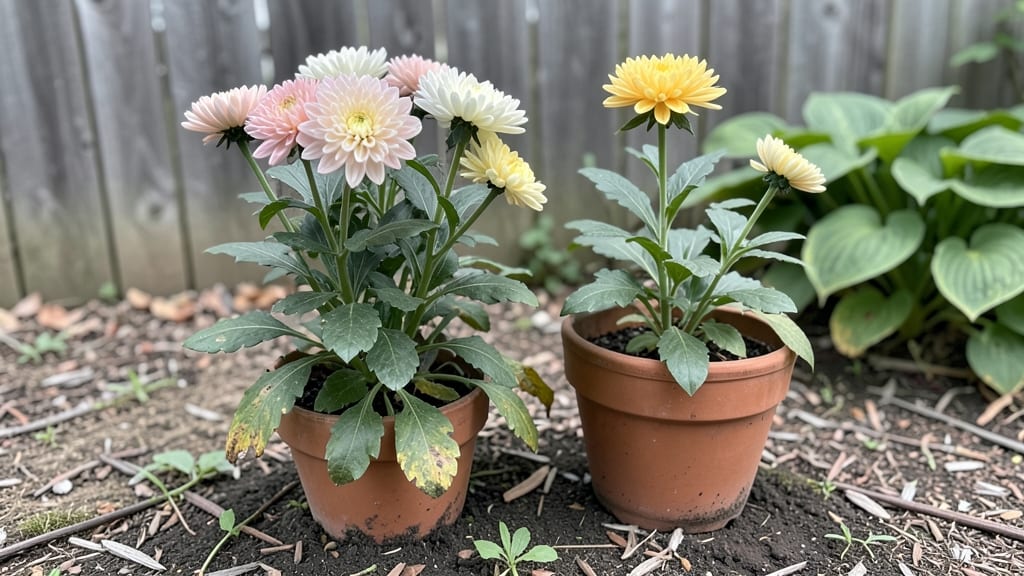
Deciding if garden mums are annuals or perennials depends on where you live and how you grow them. 🌟 I’ve wrestled with this question every fall—should I replant or let them return?
The answer isn’t as simple as you’d think, but once you know the tricks, you can have blooms from spring through frost.
Annual mums deliver bold color fast, thriving in one season with minimal fuss. Perennial varieties, though, reward patience with year-after-year blooms if you protect them through winter. The key difference? Annuals grow aggressively in summer heat, while perennials need cooler climates to survive.
I’ve learned the hard way that zone matters—what works in my friend’s Pacific Northwest garden freezes solid in my Midwest yard.
You’ll get longer seasons of color with perennials if you prep properly: mulch heavily in fall, choose cold-hardy varieties like ‘Mound City,’ and plant in well-draining soil. Annuals, meanwhile, let you mix and match colors yearly without overwintering worries.
Both types love full sun and regular watering, but perennials need extra care to bounce back each spring.
For containers or seasonal displays, annuals win—just toss them after frost. For borders or low-maintenance beds, perennials pay off over time. The secret? Start with the right variety for your zone and don’t skimp on mulch.
Once you master this, your garden stays vibrant without the yearly replanting headache.
📚 In This Guide
- What you need
- Instructions
- Tips and common mistakes
- Wrapping up and next steps
What you need
- ● Garden mums: Annuals: 3–5 plants per 1 sq. ft. (for dense color; opt for hardy varieties like 'Autumn Joy' or 'Snowball').
- ● Perennials: 1–2 plants per 1 sq. ft. (spaced 12–18" apart; choose cold-hardy types like Chrysanthemum morifolium).
- ● Soil: Well-draining, fertile loam (pH 6.0–7.0). Mix in 2–3 inches of compost for perennials.
- ● Sunlight: Full sun (6+ hours/day) for annuals; partial shade (4–6 hours) for perennials in hot climates.
- ● Watering tools: Watering can or drip irrigation system (for consistent moisture).
- ○ Rain gauge (optional, to track 1–1.5" of water weekly).
- ● Fertilizer: Balanced 10-10-10 (for annuals, apply every 4–6 weeks).
- ● Slow-release 14-14-14 (for perennials, at planting + mid-season).
- ● Mulch: 2–3 inches of organic mulch (straw or shredded bark) to retain moisture and regulate soil temp.
- ● Pruning shears (for deadheading annuals or shaping perennials).
- ● Plant stakes or cages (to support tall varieties like 'Mammoth').
- ● Frost cloth (for overwintering perennials in USDA Zones 5–7).
- ● Soil test kit (to check pH/nutrients before planting).
- ● Garden gloves (for protection while handling soil/roots).
Step-by-Step guide to choosing and planting garden mums for longevity
Here’s how to select and plant garden mums that thrive for years—not just seasons.
🌱 Step 1: Decide Between Annuals and Perennials
Annual garden mums (like those sold in fall nurseries) bloom vibrantly for one season but die with frost. Perennials, however, return year after year if given the right conditions. I always opt for perennials like ‘Autumn Joy’ or ‘Purple Dome’—they reward patience with bold color and resilience.
Check your hardiness zone: perennials thrive in zones 5-9, while annuals tolerate wider ranges. If you’re in a colder zone, mulch heavily in winter to protect perennial roots. Look for labeled perennials at nurseries—they’ll specify their lifespan on the tag.
☀️ Step 2: Site Selection for Year-Round Success
Garden mums need full sun (6+ hours daily) to flower abundantly, but their roots prefer cooler soil. Plant them where morning sun warms the flowers but afternoon shade keeps roots from overheating. I place mine near a north-facing wall or under deciduous trees that shade roots in summer.
Soil should drain well but retain moisture—amend heavy clay with 2-3 inches of compost or organic matter before planting. Perennials hate soggy roots, so avoid low spots where water pools. Test soil pH: mums prefer 6.0-6.5. If yours is too alkaline, add sulfur gradually over a month.
🪴 Step 3: Planting for Long-Term Health
Dig holes twice as wide as the root ball but only as deep—planting too deep suffocates stems. Loosen roots gently if pot-bound, then place the mum so the top of the root ball sits 1 inch below soil level. This prevents crown rot, a silent killer of perennials.
Fill the hole with native soil mixed with 1 cup slow-release fertilizer (like 10-10-10) per plant. Water deeply to settle soil, then add 2 inches of mulch (shredded bark or straw) to conserve moisture. Space perennials 18-24 inches apart—crowding leads to weak stems and fewer blooms.
✂️ Step 4: Prune and Feed for Repeat Blooms
After the first flush of flowers fades, cut back spent blooms to just above the first set of leaves. This encourages a second round of flowers in late summer or early fall. For perennials, cut back all stems to 6 inches tall after the first frost—this protects the crown from winterkill.
Feed perennials in early spring with ½ cup balanced fertilizer (like 10-10-10) per plant. Avoid high-nitrogen fertilizers—they produce lush foliage but fewer flowers. Water 1 inch per week during dry spells, keeping soil consistently moist but never soggy. Overwatering in winter stresses perennials.
⏰ Step 5: Winterize Perennials for Next Year
Before the first hard frost, apply 4-6 inches of mulch (straw or shredded leaves) around the base of perennials. This insulates roots from freezing temperatures. I also wrap young perennials in burlap for extra protection if winters are harsh in your zone.
Remove mulch in early spring once soil thaws. Perennials will push through quickly—watch for new growth in late March or April. Annuals, of course, won’t return, but perennials will surprise you with fresh foliage and next year’s blooms if cared for properly.
Tips & tricks for perfect garden mums that last beyond one season
Here's what I've learned after years of growing perennials that come back stronger every fall.
Hardiness Zone Reality Check: Don't assume all garden mums are created equal. While annuals tolerate zones 3-10, perennials like 'Autumn Joy' thrive specifically in zones 5-9. If you're in zone 4, consider treating perennials as annuals or provide extra winter protection. I've seen gardeners in colder zones successfully overwinter perennials by using a combination of 4-6 inches of mulch and burlap wraps—just like Step 5 suggests, but with an extra layer of insulation.
Root Ball Placement Precision: That 1-inch below soil level guideline in Step 3 is critical—any deeper and you risk crown rot, which silently kills perennials. I've learned this the hard way after losing three batches of 'Purple Dome' mums. Use a level to ensure consistent depth across all plants, and avoid compacting soil around the root ball when backfilling. A gentle pat with the back of a trowel is all you need to settle soil.
Soil pH Troubleshooting: If your soil tests above 6.5, don't just add sulfur all at once—this can burn roots. Instead, spread ½ cup of elemental sulfur per 10 square feet and water thoroughly. Re-test after 4-6 weeks, as pH adjustment takes time. I've found that amending soil with 2-3 inches of compost (as suggested in Step 2) not only improves drainage but also gradually lowers pH over time through natural decomposition.
Pruning Timing Secret: The late March or April growth window mentioned in Step 5 is your cue to remove winter mulch. But here's the thing: don't rush to prune back stems until you see new growth emerging from the base. This ensures you're not cutting off potential blooms. I wait until I see at least 2-3 inches of fresh green growth before making any cuts, and this has dramatically improved my bloom count in subsequent seasons.
Pro Tips for Garden Mums Annual Or Perennial
- Here's what I've learned after years of growing perennials that come back stronger every fall.
- Hardiness Zone Reality Check: Don't assume all garden mums are created equal.
- Root Ball Placement Precision: That 1-inch below soil level guideline in Step 3 is critical—any deeper and you risk crown rot, which silently kills perennials.
Frequently asked questions
Got questions about garden mums? You’re not alone! Here are answers to the most common queries to help you keep your blooms thriving—whether they’re annuals or perennials.
Are garden mums annuals or perennials?
Most garden mums (Chrysanthemum spp.) are perennials in USDA Zones 5-9, returning year after year if given proper care. However, many sold as "annuals" are bred for early blooms and may not survive winters outside their hardiness zone. Check your local climate!
How do I make my garden mums perennial?
To extend their lifespan:
- Choose hardy varieties like ‘Mumford’ or ‘Dakota Gold’ for Zones 4-9.
- Plant in well-draining soil with full sun (6+ hours/day).
- Cut back dead foliage in fall but leave 3-4" stems for regrowth.
- Mulch in winter to protect roots from freeze-thaw cycles.
Why do my garden mums die after one season?
Common culprits:
- Frost damage: Tender varieties can’t handle sudden cold snaps.
- Poor drainage: Soggy soil rots roots—amend with compost.
- Overcrowding: Mums need space; thin plants if needed.
- Pests/disease: Watch for aphids or powdery mildew (spray neem oil if spotted).
Can I grow garden mums as annuals in colder climates?
Treat them like annuals by:
- Planting after the last frost (spring/summer).
- Choosing heat-tolerant varieties like ‘Bright Lights’ or ‘Jolanda.’
- Deadheading spent blooms to encourage reblooming.
- Replacing them next year with hardy perennials.
What’s a good perennial alternative to garden mums?
If mums aren’t your style, try these low-maintenance perennials for long-lasting color:
- Black-eyed Susans (Rudbeckia) – Drought-tolerant, golden blooms.
- Coneflowers (Echinacea) – Purple/pink flowers; attracts pollinators.
- Daylilies (Hemerocallis) – Rebloom all season; shade-tolerant.
- Russian Sage (Perovskia) – Silvery foliage + lavender spikes.
Wrapping up and next steps
So, whether you’re team annual for bold seasonal bursts or team perennial for low-maintenance, long-term charm, garden mums are a win-win! 🌸 With the right care, you can enjoy their vibrant blooms year after year—or simply swap them out for fresh colors when you crave a change.
Ready to transform your garden? Start by choosing your favorite type, grab some gloves, and get planting! Your future garden will thank you.