Companion Plants
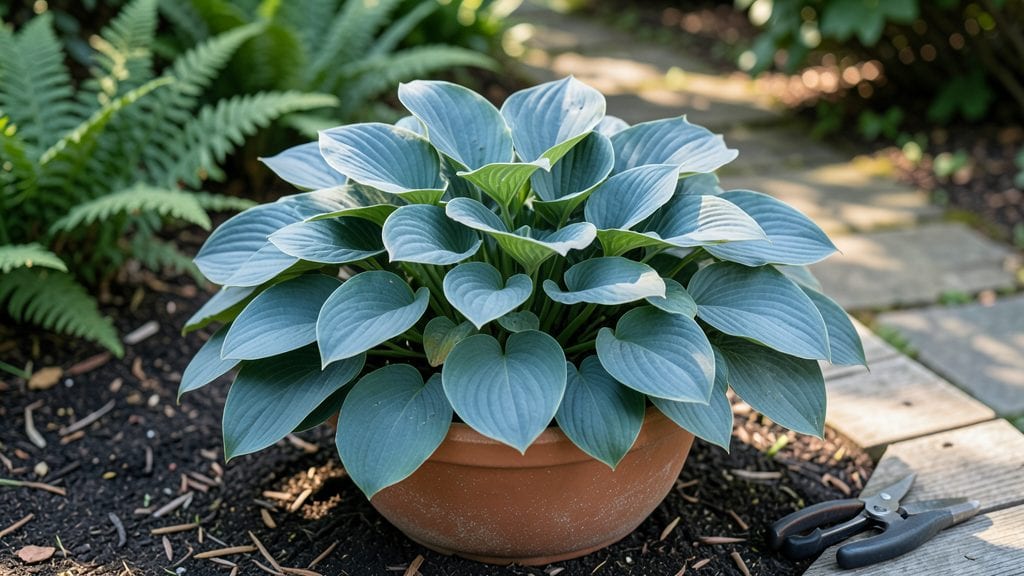
Garden live plants year-round isn't just possible—it's the secret to a garden that stays vibrant even when winter chills the air. 🌱 I used to think cold weather meant dormant soil and sad, leafless plants, but the right selection and care turns my small patio into a lush oasis from January through December.
The key starts with choosing plants that naturally thrive in cooler months, like ornamental kale, pansies, or cold-hardy herbs. You’ll need containers with drainage, a quality potting mix with added compost, and a sunny spot that gets at least six hours of light daily.
My setup uses 5-gallon fabric pots that I can move indoors when temperatures drop below 30°F—no greenhouses or fancy equipment needed.
With consistent watering—once a week in winter, twice in spring and fall—and a light layer of mulch to protect roots, these plants deliver bold colors, fragrant blooms, and even edible harvests all year.
The first time I saw pansies blooming in February, I realized my garden didn’t need to sleep through winter.
This approach works for balconies, rooftops, or sunny windowsills—no matter your space. The only rule? Start small, observe what thrives, and let your garden teach you. Here’s how to begin without overcomplicating it.
📚 In This Guide
- What you need
- Instructions
- Tips and common mistakes
- Wrapping up and next steps
What you need
- ● Live plants: 3–5 compact, companion-friendly varieties (e.g., herbs like basil/thyme, leafy greens like lettuce, or flowers like marigolds). Choose slow-growing or dwarf species for small spaces.
- ● Containers: 2–4 pots with drainage holes (6–12" diameter, depending on plant size). Opt for lightweight materials like fabric or plastic.
- ● 1–2 raised beds or window boxes (if vertical gardening).
- ● Growing medium: 2–3 bags of high-quality potting soil (sterilized, peat-free if preferred) or a soilless mix for better aeration.
- ● Fertilizer: Slow-release granules (e.g., organic fish emulsion) or liquid fertilizer (diluted to half-strength).
- ● Tools: 1 small trowel or hand shovel
- ● 1 pair of pruning shears
- ● 1 spray bottle (for misting)
- ○ 1 moisture meter (optional but helpful for beginners)
- ● Location: A spot with 4–6+ hours of sunlight daily (adjust for shade-loving plants like parsley or ferns).
- ○ Watering system: Self-watering planters (optional, for travel or forgetful gardeners)
- ○ Drip irrigation kit (optional, for automated care)
- ● Companion plant pairs: Research pairings (e.g., basil + tomatoes, nasturtiums + cucumbers) to maximize space and deter pests.
- ● Decor: Pebbles, mulch, or decorative rocks (for aesthetics and moisture retention).
Step-by-step guide for growing live plants in small spaces
Here's how to keep your plants thriving year-round without needing a sprawling yard.
🌱 Step 1: Choose the Right Compact Varieties
Start with plants bred for small spaces—look for dwarf or patio varieties like bush tomatoes, mini bell peppers, or compact herbs. These grow just as flavorful but stay contained in 5-gallon containers or smaller. I always check the plant tag for "patio" or "bush" labels, as they’re specifically bred to stay manageable.
If you’re working with larger plants, prune them regularly to control size. For example, a dwarf citrus tree can stay under 4 feet tall with proper pruning, making it perfect for a sunny balcony. Avoid vining plants like cucumbers unless you’re using a trellis—even then, they’ll need frequent training.
🪴 Step 2: Select Containers with Proper Drainage
Use containers with drainage holes—no exceptions. I’ve seen too many plants drown in pots without them. If your chosen containers lack holes, drill them yourself or place a layer of gravel or broken pottery at the bottom before adding soil. This ensures excess water escapes, preventing root rot.
Size matters too: a 5-gallon pot works for most herbs and small veggies, while larger plants like dwarf fruit trees need at least 15-gallon containers. Deeper pots are better for root crops like carrots or potatoes, even in dwarf varieties. Fill the pot 2/3 full with soil before planting to allow room for roots to expand.
☀️ Step 3: Optimize Light for Year-Round Growth
Most live plants need 6-8 hours of sunlight daily, but compact spaces often lack direct light. If your balcony or patio gets partial sun, supplement with a grow light for 12-14 hours per day. LED grow lights are energy-efficient and fit easily on shelves or mounted above plants.
Rotate containers quarter-turn weekly so plants grow evenly toward the light. You’ll notice leaves stretching toward one side—that’s a sign they need more even exposure. For winter growth, extend light exposure by 2-3 extra hours to compensate for shorter daylight. Plants like herbs and leafy greens tolerate lower light better than fruiting varieties.
💧 Step 4: Water and Feed for Compact Growth
Water when the top inch of soil feels dry, but avoid soggy soil—overwatering is the #1 killer of container plants. I use a self-watering planter for herbs and veggies to maintain consistent moisture without drowning roots. For larger plants, check soil moisture by sticking your finger 1 inch deep—if it’s dry, water thoroughly until it drains from the bottom.
Feed plants every 4-6 weeks with a balanced liquid fertilizer diluted to half-strength. Over-fertilizing burns roots, especially in small containers where nutrients concentrate quickly. Flush the soil with water every 2-3 months to prevent salt buildup from fertilizers. Compact plants like dwarf citrus trees also benefit from a slow-release fertilizer mixed into the soil at planting.
✂️ Step 5: Prune and Maintain for Long-Term Health
Regular pruning keeps plants compact and encourages bushier growth. Pinch back the tips of leggy stems to promote branching—this works especially well for herbs like basil and mint. For fruiting plants, prune 1/3 of the plant after harvest to redirect energy to new growth.
Remove yellow or diseased leaves immediately to prevent spread. I always sterilize pruners with rubbing alcohol between cuts to avoid introducing bacteria. In winter, reduce watering by 30-50% since plants grow slower, but keep the soil slightly moist. A light layer of mulch helps retain moisture and insulate roots in cooler months.
Tips & tricks for perfect year-round container gardening
Small spaces don't mean small results—here's how to maximize your compact garden's potential with these game-changing strategies.
Container Selection Wisdom: When choosing containers, prioritize materials that match your climate. Terracotta pots breathe better in humid conditions but dry out faster, while plastic retains moisture longer in dry climates. For 5-gallon containers, I recommend adding a layer of gravel or broken pottery at the bottom even when drainage holes exist—this creates an extra buffer against root rot. For larger plants in 15-gallon containers, consider adding a saucer to catch drainage and reuse the water for other plants.
Light Optimization Hack: The 12-14 hours of grow light needed for partial sun situations can be tricky to time. I set my grow lights on a timer and position them 6-12 inches above plants—closer for seedlings, further for mature plants. For winter growth, extend the light exposure by 2-3 extra hours by splitting the time (morning + evening) rather than one long session. This mimics natural daylight patterns better and prevents leaf burn from prolonged exposure.
Pruning Technique: When pruning 1/3 of the plant after harvest, focus on removing older growth first—this opens up the plant for better air circulation and sunlight penetration. For herbs like basil, pinch back the tips just above a set of leaves to encourage bushier growth. I've found that using clean, sharp pruners and sterilizing them with rubbing alcohol between cuts prevents disease spread better than any commercial cleaner.
Fertilizer Strategy: The 4-6 week feeding schedule works best when you pair it with the 2-3 month flush to prevent salt buildup. I've had great success with a slow-release fertilizer mixed into the soil at planting for dwarf citrus trees—this provides steady nutrients without the risk of over-fertilizing. For herbs and veggies, I alternate between liquid fertilizer and compost tea every other feeding to give plants a nutrient boost without the salt risk.
Pro Tips for Garden Live Plants
- Small spaces don't mean small results—here's how to maximize your compact garden's potential with these game-changing strategies.
- Container Selection Wisdom: When choosing containers, prioritize materials that match your climate.
- Light Optimization Hack: The 12-14 hours of grow light needed for partial sun situations can be tricky to time.
Frequently asked questions
Got questions about keeping live plants thriving in your garden?
Here are answers to the most common ones—so you can grow lush greenery year-round, even in tight spaces!
How do I choose the best live plants for small gardens?
Opt for compact varieties like dwarf citrus trees, cascading ferns, or trailing succulents (e.g., string of pearls). Prioritize low-maintenance plants with slow growth—think herbs like thyme or oregano or air plants that thrive without soil. Check sunlight needs: herbs love full sun, while calatheas prefer indirect light.
When is the best time to plant live garden plants for year-round growth?
For perennials and shrubs, plant in early spring or fall when temperatures are mild (50–75°F). Annuals can go in late spring after frost risk passes. Container plants? They’re flexible—just avoid extreme heat or cold. Pro tip: Use slow-release fertilizer at planting to give roots a nutrient boost!
How often should I water live plants in a small garden?
Watering depends on plant type and container size:
- Succulents/sedums: Every 2–3 weeks (let soil dry completely).
- Herbs/veggies: Daily in summer, every 2–3 days in cooler months.
- Tropicals (e.g., ferns): Keep soil consistently moist but not soggy.
What’s the easiest way to troubleshoot dying live plants?
Start with the basics:
Yellow leaves? Overwatering or nutrient deficiency. Solution: Check drainage and fertilize lightly.
Brown edges? Underwatering or low humidity. Solution: Mist leaves or group plants together.
Wilting? Root rot or pests. Solution: Repot in fresh soil and inspect for bugs.
Isolate sick plants to prevent spreading issues.Can I grow edible live plants in small spaces without a full garden?
Try vertical gardening with:
- Herbs: Basil, mint, or chives in hanging pots or wall planters.
- Veggies: Cherry tomatoes, lettuce, or radishes in stackable containers.
- Fruits: Dwarf blueberry bushes or strawberries in window boxes.
Wrapping up and next steps
Transforming even the smallest garden into a thriving, year-round oasis is totally within reach! 🌱 By choosing the right live plants—like companion-friendly herbs, dwarf shrubs, or vertical greens—you’re not just saving space; you’re creating a self-sustaining ecosystem that’s as rewarding as it is beautiful.
Start small, experiment with layers, and soon, your compact garden will be bursting with life, no matter the season.
Ready to dive in? Pick one plant or technique from this guide and give it a try this weekend—your future self (and your happy plants!) will thank you. 🌿