Shrubs
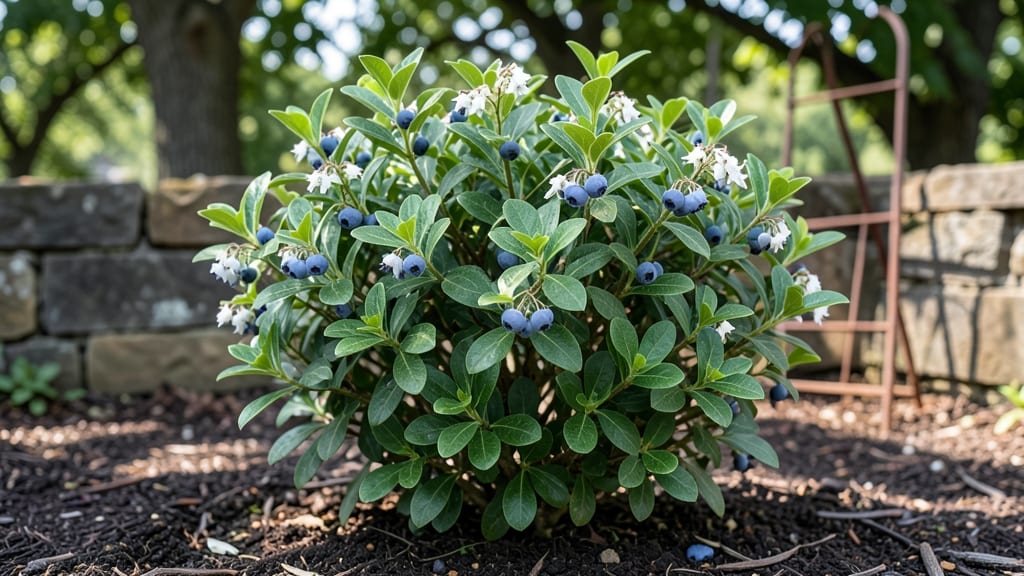
Gardening blueberry bushes delivers sweet rewards with surprisingly little fuss—once you know the secrets to soil, sunlight, and spacing. 🌿 I learned the hard way that acidic soil is non-negotiable, but the payoff is worth it: a bush that produces fruit for decades with minimal pruning.
The key isn’t complicated—just a few adjustments that make all the difference between a struggling plant and one that thrives.
You’ll need well-draining, acidic soil (aim for a pH between 4.5 and 5.5), full sun (at least 6 hours daily), and space—either 4 to 6 feet apart in the ground or a 15-gallon container for small spaces.
Southern varieties like ‘Southern Highbush’ handle heat, while cold-hardy types like ‘Patriot’ survive down to -20°F. The right variety for your zone cuts down on winter worries and summer stress.
By summer’s end, you’ll be harvesting berries that taste like nothing from the store—juicy, plump, and packed with flavor. Pruning in late winter keeps the bush productive, and a light layer of mulch preserves moisture.
Even in containers, these bushes deliver, proving you don’t need a big yard for big harvests. The best part? They keep giving for years with almost no effort after the initial setup.
Whether you’re in a cold climate or a warm one, the principles stay the same: acidic soil, patience, and a little seasonal care. Once established, these bushes practically take care of themselves—leaving you with more time to enjoy the harvest. Let’s get those bushes planted right the first time.
📚 In This Guide
- What you need
- Instructions
- Tips and common mistakes
- Wrapping up and next steps
What you need
- ● Blueberry plants: 3–5 Southern highbush or Northern highbush varieties (depending on your USDA zone). Choose dwarf (3–5 ft) or semi-dwarf (5–8 ft) for easier harvesting.
- ● Well-draining soil: Mix 1 part peat moss or coco coir with 2 parts native soil. Target pH 4.5–5.5 (use a soil test kit to confirm).
- ● Organic mulch: Pine bark fines (2–3 inches) or pine straw to retain moisture and acidify soil naturally.
- ● Fertilizer: Acid-loving plant fertilizer (e.g., Osmocote Smart-Release Plant Food) or cottonseed meal (1 lb per 100 sq ft) for nitrogen.
- ● Watering system: Drip irrigation or soaker hoses (blueberry bushes need 1–1.5 inches of water weekly).
- ● Garden trowel or shovel for planting.
- ● Pruning shears (sterilized with rubbing alcohol) for shaping and maintenance.
- ● Gloves (gardening or heavy-duty) to protect from thorns and soil.
- ● pH testing kit to monitor soil acidity.
- ● Wheelbarrow for transporting soil and mulch.
- ● Bird netting to protect ripe berries from wildlife.
- ● Row covers for young plants in Zone 5 or colder during late spring frosts.
- ● Composted leaves or sulfur granules to boost soil acidity if needed.
- ● Trellis or stakes for larger varieties to support growth.
Step-by-step guide to planting and caring for blueberry bushes
Here’s how to get your blueberry bushes thriving with minimal fuss—no pruning nightmares or guesswork.
🌱 Step 1: Choose the Right Location and Prepare the Soil
Blueberries thrive in acidic soil with a pH between 4.5 and 5.5. Test your soil first—if it’s too alkaline, amend it with peat moss or sulfur before planting. Pick a spot with full sun (at least 6-8 hours daily) and well-draining soil. I always dig a hole twice as wide as the root ball but only as deep—this prevents waterlogging.
Mix the removed soil with 2 parts peat moss or pine bark fines and 1 part compost to create the ideal acidic blend. Avoid fresh manure—it raises soil pH too much. Plant your bushes 6-10 feet apart (depending on variety) to allow airflow and future growth. The moment you see yellow leaves, it’s a sign the soil pH is off—act fast to adjust.
💧 Step 2: Plant and Water Thoroughly
Place the blueberry bush in the hole so the root flare (where roots meet stem) sits just above soil level. Backfill with your amended mix, pressing gently to remove air pockets. Water deeply right after planting—this settles the soil and eliminates gaps. You’ll know it’s right when water drains freely but doesn’t pool.
Mulch around the base with 3-4 inches of pine needles or wood chips (never bark chips—they raise pH). This keeps roots cool and retains moisture. Water every 2-3 days for the first 2 weeks, then taper to once a week once established. Overwatering is the fastest way to suffocate roots—always check if the top 2 inches of soil feel dry before watering again.
☀️ Step 3: Fertilize and Monitor for First Fruits
Blueberries need low-nitrogen, acidic fertilizer—never use regular garden fertilizer. In early spring, apply a balanced 10-10-10 or 8-3-9 formula (the lower nitrogen helps flowering). I scatter granules 6 inches from the stem and water them in. By late summer, switch to an ammonium sulfate (21-0-0) to boost next year’s fruit production.
Watch for white flowers in spring—this means your bush is happy. If you see no blooms by early May, your soil pH might still be too high. Prune out dead or crossing branches in late winter, cutting just above a bud or outward-facing branch. You’ll see fruit in 2-3 years, but patience pays off—healthy bushes produce for decades.
✂️ Step 4: Prune and Protect for Long-Term Growth
Prune only in late winter or early spring before new growth starts. Remove any branches older than 5 years—they produce smaller berries. Thin out weak or crowded stems to improve airflow. I always sterilize my pruners with rubbing alcohol to prevent disease spread. If you see blackened leaves, it’s likely fungus—treat with copper fungicide and improve airflow.
Protect young bushes from winter winds with burlap wraps or a lightweight frost cloth. Mature bushes handle cold well, but new plants need extra shielding. Harvest when berries are deep blue and plump—they won’t ripen further off the bush. You’ll get more berries next year if you leave some clusters unharvested to feed birds and encourage pollination.
Tips & tricks for perfect blueberry bushes
Here’s what I’ve learned from years of growing blueberries—these small tweaks make all the difference between struggling plants and a thriving bush.
Soil Test First: Before you even dig, grab a soil test kit from your local garden center. The pH range of 4.5-5.5 is critical, and most home test kits cost under $10. I’ve seen gardeners skip this step and end up with yellow leaves after months of work—don’t make that mistake. If your soil tests above 6.0, you’ll need to amend with sulfur or peat moss before planting. The difference in plant health after just one season is dramatic.
Root Flare Visibility: In Step 2, when planting, make the root flare (where roots meet stem) clearly visible above the soil line. I’ve seen people bury this junction, which strangles the plant. After planting, gently press the soil around the base but leave that flare exposed—it’s nature’s way of preventing rot. This simple adjustment can add years to your bush’s lifespan.
Mulch Depth Matters: That 3-4 inches of pine needles or wood chips isn’t just decoration—it’s insulation for your roots. Too little mulch (under 2 inches) lets soil temperature fluctuate wildly, while too much (over 5 inches) can suffocate roots. I use a straightedge to measure my mulch depth right after spreading it. This consistent layer keeps roots cool in summer and protected in winter.
Watering Rhythm: The 2-3 days of frequent watering in the first two weeks is non-negotiable. I set a reminder on my phone because I’ve forgotten this step more times than I’d like to admit. After that initial period, you can relax to weekly watering, but always check that top 2 inches of soil first—it should feel dry before you water again. Overwatering is the silent killer of blueberry bushes.
Pro Tips for Gardening Blueberry Bushes
- Here’s what I’ve learned from years of growing blueberries—these small tweaks make all the difference between struggl...
- Soil Test First: Before you even dig, grab a soil test kit from your local garden center. The pH range of 4.5-5.5 is ...
- Root Flare Visibility: In Step 2, when planting, make the root flare (where roots meet stem) clearly visible above th...
Frequently asked questions
Got questions about growing blueberry bushes? You’re not alone! Here are answers to the most common queries—from planting to troubleshooting—to help you cultivate a thriving blueberry patch with ease.
How long does it take for blueberry bushes to produce fruit?
Most blueberry bushes take 2–3 years to bear fruit after planting, though some varieties may produce a few berries in the first year. Patience pays off—proper care (like consistent watering and acidic soil) speeds up the process!
Can I grow blueberry bushes in containers or pots?
Blueberries thrive in containers if you use well-draining soil with a pH of 4.5–5.5 and a pot at least 18–24 inches wide. Dwarf varieties (like ‘Top Hat’) are ideal for small spaces. Just ensure the pot has drainage holes and water regularly.
Why are my blueberry leaves turning yellow?
Yellow leaves often signal soil pH issues (too alkaline) or nutrient deficiencies (like nitrogen or magnesium). Test your soil and amend it with peat moss or sulfur to lower pH. Overwatering or fungal diseases (like leaf spot) can also cause yellowing—prune affected areas and improve airflow.
Do blueberry bushes need cross-pollination?
Most blueberries are self-pollinating, meaning one bush can produce fruit alone. However, planting two different varieties nearby (like ‘Duke’ and ‘Bluecrop’) can boost yields and berry size. Bees love them, so they’ll handle the rest!
When is the best time to prune blueberry bushes?
Prune in late winter or early spring (before new growth starts) to remove dead wood, crowded branches, and weak stems. Avoid pruning in fall—it can stimulate new growth that won’t harden off before winter. Use clean, sharp shears for the cleanest cuts!
What’s the easiest way to keep blueberries from getting moldy?
Mold (like botrytis) thrives in wet conditions. Space bushes 4–6 feet apart for airflow, water at the base (not overhead), and avoid harvesting wet berries. Mulch with pine needles to deter fungal growth—plus, it mimics their natural habitat!
Wrapping up and next steps
Growing blueberry bushes is a rewarding journey that brings sweet, juicy rewards with minimal fuss—once you’ve got the basics down! With the right soil, sunlight, and a little patience, you’ll enjoy a year-round harvest of antioxidant-rich berries.
Whether you’re a beginner or a seasoned gardener, these bushes thrive with simple care and big payoffs.
Ready to dive in? Start by planting your bushes in early spring (or fall in mild climates) and keep an eye on their needs—your future blueberry smoothies will thank you! 🍇✨