
Tools
A traditional garden in Germany effortlessly marries rustic charm with hardy plants suited to its cool summers and damp winters—think lavender and rosemary from classic Kräutergarten herb gardens.
I fell in love with this style after visiting a Schrebergarten allotment in Bavaria, where neat stone paths and climbing roses created cozy nooks. The secret lies in layering evergreens for winter structure while letting seasonal blooms take center stage when the weather warms.
Even in small urban spaces, these principles work—just swap the roses for clematis or wisteria to save room.
Start with the bones: weathered wood fences, slate steps, and terracotta pots filled with sedum or heuchera for year-round interest. German gardens often use local materials like sandstone or lime mortar to blend with the landscape, and they prioritize shade-tolerant plants for northern climates.
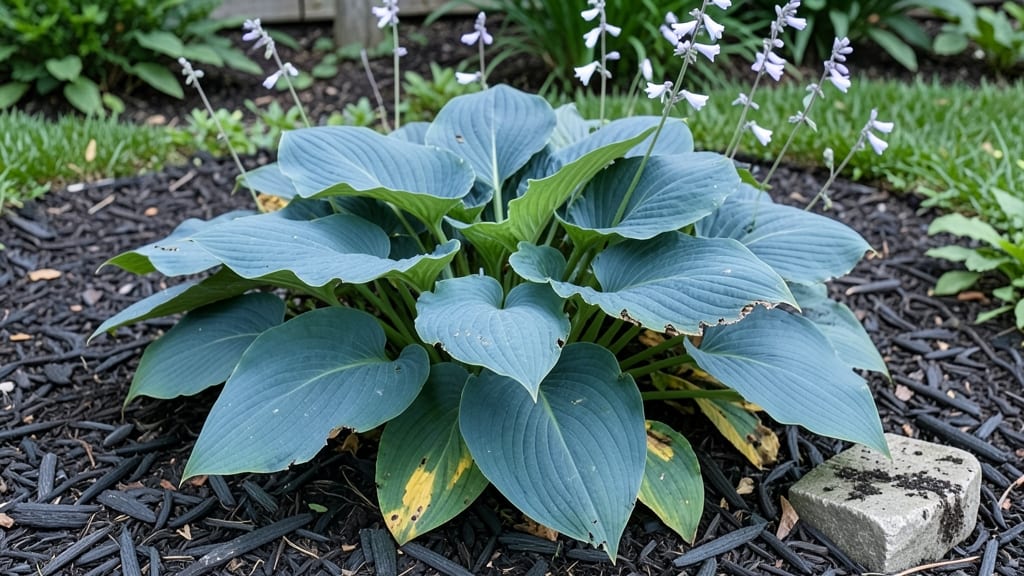
My own garden uses a mix of hostas, ferns, and boxwoods to create lush layers, while a small apple tree in the corner nods to traditional orchards. The key is balancing structure with softness—think gravel paths that feel warm underfoot and climbing plants that soften hard edges.
What makes these gardens magical is how they change with the seasons: snowdrops in spring, roses in summer, and fiery berries in autumn. You’ll end up with a space that feels lived-in and welcoming, whether it’s a 200-square-foot urban plot or a sprawling country garden. The best part?
German gardening traditions focus on sustainability—composting kitchen scraps, collecting rainwater, and choosing native plants that need less fuss. It’s not about perfection; it’s about creating a garden that tells a story, just like the ones you’ve seen in postcards from the Black Forest.
Fair warning: German gardeners take their rules seriously—like keeping lawns neatly edged and avoiding plastic pots—but the real magic happens when you break them just enough to make the space your own.
Start with one feature that speaks to you: a herb spiral, a bench tucked under a wisteria, or a small pond with water lilies. That’s where the charm begins.
📚 In This Guide
- What you need
- Instructions
- Tips and common mistakes
- Wrapping up and next steps
What you need
- ● Soil & Amendments: Topsoil (1–2 cubic yards, depending on garden size)
- ● Compost (1–2 bags, for nutrient-rich soil)
- ○ Peat moss or coconut coir (optional, for moisture retention)
- ● Plants (Seasonal Layers): Perennials (for structure): Lavender, roses, delphiniums, foxgloves (5–10 plants)
- ● Annuals (for color bursts): Pansies, nasturtiums, sweet peas (10–20 plants)
- ● Bulbs (for spring blooms): Tulips, daffodils, hyacinths (20–50 bulbs)
- ● Climbing plants (for vertical interest): Clematis or wisteria (1–2 vines)
- ● Hardscaping: Gravel or sand (for pathways, 5–10 bags)
- ● Wooden trellises or iron arbors (1–3, depending on size)
- ● Stone borders or bricks (for edging, 20–50 pieces)
- ● Tools: Garden trowel (for planting)
- ● Pruners (sharp, for trimming)
- ● Rake and hoe (for soil prep)
- ● Wheelbarrow (for hauling materials)
- ● Watering can or hose (with adjustable nozzle)
- ● Decor: Terracotta pots, vintage windmills, or wooden benches
- ● Lighting: Solar-powered path lights or lanterns
- ● Mulch: Straw or shredded bark (to retain moisture)
- ● German-inspired accents: Copper pots, wrought-iron signs, or a small fountain
Instructions for creating a German cottage garden with seasonal layers
Here's how to craft a garden that feels like stepping into a storybook—layered with plants that bloom in waves.
Plan Your Layout With a Central Focal Point
Start by sketching a rough design on paper. A German cottage garden thrives on asymmetry, so avoid rigid geometric shapes. I like to place a small arbour, stone bench, or vintage birdbath at the center—this becomes the heart of your garden. Choose a spot where it’s easily visible from your home or patio, as this draws the eye and creates a natural gathering place.
Next, define pathways using stepping stones or gravel—just wide enough for two people to walk side by side. Leave plenty of open space between paths so you can move freely while tending to plants. The key is to make the garden feel inviting, not cramped. Think of it like a cozy living room where every plant has its own conversation spot.
Layer Plants by Height and Bloom Time
German cottage gardens are all about seasonal interest, so plan your plantings in three distinct tiers: tall, medium, and low. Start with tall perennials like delphiniums or hollyhocks at the back of borders, followed by mid-height shrubs such as lavender or roses in the middle. Fill the front with low-growing annuals like pansies or sweet alyssum to create a lush, textured foreground.
Here’s the trick: stagger bloom times so your garden never looks bare. Plant early spring bloomers like crocuses and daffodils, mid-season stars like peonies and foxgloves, and late-season showstoppers such as asters and chrysanthemums. I always include a few evergreen shrubs or ornamental grasses to provide structure and color in winter.
Add Climbing Plants and Vertical Interest
Climbing plants are essential for adding height and softening fences or walls. Train clematis, wisteria, or climbing roses to grow over arbors, trellises, or even old wooden ladders. These vines not only create a romantic, fairy-tale effect but also provide shade for smaller plants below. Place trellises near seating areas so you can enjoy the fragrance and dappled sunlight.
Don’t overlook the power of vertical gardening. Hang baskets of trailing plants like fuchsias or lobelia from hooks or use wall-mounted pockets to grow herbs or small flowers. This maximizes space and adds layers of texture. I’ve seen cottage gardens transform dull walls into living tapestries—it’s magical how a few well-placed plants can change the entire feel of a space.
Incorporate Natural Materials and Textures
German cottage gardens are rich in natural, weathered materials. Scatter old bricks, wooden pallets, or terracotta pots throughout the space for seating or plant supports. Add stone borders or driftwood to define edges and create a rustic, lived-in look. These elements not only add character but also attract wildlife like birds and bees, which keep your garden buzzing with life.
Mix textures by combining smooth leaves with spiky foliage, like pairing hostas with ornamental grasses. The contrast makes the garden feel dynamic and full of surprises. I also like to include a small water feature, even if it’s just a simple birdbath or a shallow pond. The sound of water adds a soothing backdrop to your outdoor retreat.
Maintain With Seasonal Care and Pruning
Keep your garden thriving by pruning regularly to encourage new growth and prevent overcrowding. After the first flush of blooms, deadhead spent flowers to prolong the season and redirect energy into root development. In late winter, cut back perennials and grasses to make room for fresh spring growth—this also keeps the garden looking tidy without sacrificing charm.
Mulch annually with compost or bark chips to retain moisture and suppress weeds. German cottage gardens are forgiving, so don’t stress over perfection. Embrace the wild, slightly unkempt look—it’s part of the appeal. I find that stepping back occasionally to assess the garden’s mood helps me decide what to keep, cut back, or replace. The goal is a garden that feels alive, not manicured.
Tips & tricks for perfect German cottage garden design
A few thoughtful touches can transform your garden into a charming retreat that feels authentically German. Here's what I've learned from years of creating these dreamy spaces.
Central Focal Point: The heart of your German cottage garden should feel like a welcoming gathering spot. When choosing your central element—whether it's an arbour, stone bench, or vintage birdbath—place it where it becomes the first thing visitors notice as they enter the space. I've found that positioning it slightly off-center creates that perfect asymmetrical balance that defines German cottage style. This focal point should also be visible from your home or patio to draw you outside and make the garden feel like an extension of your living space.
Seasonal Layering: The magic of German cottage gardens lies in their ability to change with the seasons. When planning your plant layers, think about how each plant contributes throughout the year. For example, evergreen shrubs provide winter structure while spring bulbs like crocuses and daffodils bring early color. I always include at least three different bloom times—early, mid, and late season—to ensure continuous interest. This approach prevents that "bare garden" feeling between blooms that plagues many seasonal designs.
Vertical Space: Don't overlook the third dimension! German cottage gardens often use vertical gardening to maximize space and create that fairy-tale quality. When training climbing plants like clematis or wisteria, place them near seating areas so you can enjoy their fragrance and the dappled sunlight they create. I've seen amazing transformations where dull walls become living tapestries with just a few well-placed trellises and hanging baskets. This technique also works wonders for small spaces or urban gardens where ground space is limited.
Natural Materials: The key to that authentic cottage charm lies in the materials you choose. Instead of new, pristine elements, look for weathered items like old bricks, wooden pallets, or terracotta pots. These materials not only add character but also create habitats for beneficial wildlife. I always include at least one natural water feature—even a simple birdbath—because the sound of water adds a magical dimension to any garden. The combination of these elements creates that lived-in, welcoming atmosphere that defines German cottage gardens.
Pro Tips for Garden In Germany
- A few thoughtful touches can transform your garden into a charming retreat that feels authentically German.
- Central Focal Point: The heart of your German cottage garden should feel like a welcoming gathering spot.
- Seasonal Layering: The magic of German cottage gardens lies in their ability to change with the seasons.
Frequently asked questions
Got questions about creating a German-inspired garden?
Here are answers to common queries to help you plan your dream outdoor space with confidence.
What are the most essential materials for a German cottage-style garden?
A German cottage garden thrives on a mix of rustic and natural materials. Start with weathered wood (for raised beds or fences), stone (local granite or slate for paths), and wrought iron (for trellises or gates). Don’t forget clay or terracotta pots for herbs and flowers—classic choices! Layer in mulch (straw or bark) to retain moisture and add organic matter.
When is the best time to plant in a German garden climate?
Germany’s climate varies, but spring (April–May) is ideal for most plants, especially perennials and shrubs. Early autumn (September) is perfect for bulbs (like tulips or daffodils) and hardy perennials. For annuals, wait until after the last frost (usually mid-May). Pro tip: Check your local USDA hardiness zone (Germany spans zones 5–9) for precise timing!
Can I create this look on a small balcony or patio?
German cottage charm works in tiny spaces too. Use vertical gardening (hanging baskets, wall-mounted planters) for flowers and herbs. Opt for compact perennials (like lavender or thyme) and miniature roses. Add decorative metal accents (like a small trellis or vintage lantern) and terracotta pots in varying sizes for texture. Bonus: Even a single climbing rose in a corner adds instant charm!
How do I keep pests away without chemicals in a German garden?
German gardens often rely on natural pest control. Plant companion flowers (like marigolds or nasturtiums) to deter aphids and slugs. Introduce beneficial insects (ladybugs, lacewings) or chickens (if space allows) to eat pests. Use copper tape around raised beds to block slugs. Quick fix: A beer trap (bury a shallow dish of beer) works wonders for slugs overnight!
What’s the secret to achieving that “lived-in” German garden look?
The key is layering and imperfection! Mix old and new (vintage tools with modern pots), let plants spill over edges, and add unexpected textures (wooden crates, weathered signs). Pro move: Leave some wild corners with grasses or self-seeded flowers—they add authenticity. Overgrown but intentional is the German cottage garden’s signature!
Wrapping up and next steps
Germany’s cottage-style gardens prove that beauty thrives in simplicity and seasonal harmony. From rustic pathways to layered blooms, these spaces blend tradition with practicality—perfect for any green-thumbed enthusiast. Whether you’re revamping a small plot or dreaming big, the key is layering and local charm.
Ready to bring this magic to life? Start small—sketch your space, gather a few key materials, and let nature (and your creativity!) guide the rest. Your garden’s story begins with the first shovel in the soil! 🌱