
Tools
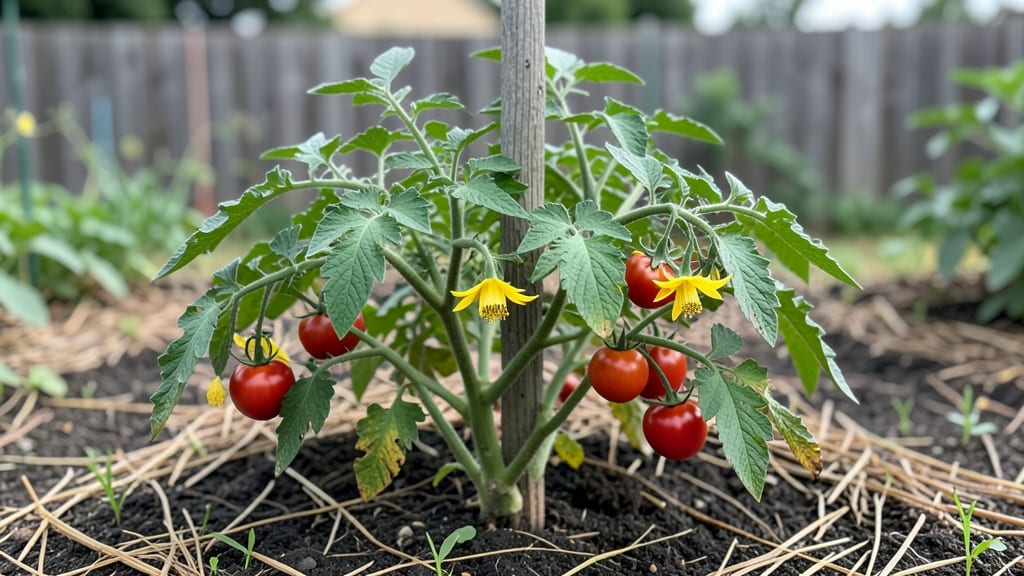
Growing Garden Gem tomatoes is like unlocking a secret to effortless harvests—these compact plants deliver sweet, prolific fruit without the sprawl of full-sized varieties. 🌱 I planted mine last spring in a 5-gallon container, and within 8 weeks, I was picking cherry-sized tomatoes that burst with flavor, not the bland store-bought kind.
The real magic? Their disease-resistant nature means fewer chemicals and more time enjoying the garden instead of fighting pests.
These tomatoes thrive in partial sun (4-6 hours daily) and well-draining soil, making them perfect for small spaces, balconies, or even windowsills. Start with a balanced fertilizer at planting, then switch to a low-nitrogen feed once flowers appear—this trick boosts fruit production without leafy overgrowth.
Prune suckers (those little shoots in the joint) weekly to keep energy focused on vibrant red tomatoes instead of wild vines.
By midsummer, you’ll be harvesting pounds of fruit with minimal effort—each plant yields 20-30 tomatoes per season. The flavor? Juicy, tangy, and sweet, perfect for snacking or salads.
And because they’re compact, you can grow multiple plants in tight spaces, turning even a tiny plot into a tomato powerhouse.
Fair warning: these tomatoes ripen fast, so check plants every 2-3 days once they turn color. Miss a harvest, and you’ll end up with a pile of overripe fruit—trust me, I’ve been there. But once you master the rhythm, you’ll wonder why you ever grew anything else.
📚 In This Guide
- What you need
- Instructions
- Tips and common mistakes
- Wrapping up and next steps
What you need
- ● Garden Gem tomato seeds – 5-10 seeds (or 1-2 starter plants if buying seedlings).
- ● Containers or garden bed – Containers: 5-gallon pots (1 per plant) with drainage holes. Garden bed: Well-draining soil, 18-24" apart in rows.
- ● High-quality potting mix – Lightweight, fertile blend (e.g., 60% peat moss, 30% compost, 10% perlite).
- ● Tomato cages or stakes – 4-6 ft tall (even for dwarf varieties, support prevents sprawl!).
- ● Balanced fertilizer – 10-10-10 or organic options like composted manure (follow package rates).
- ● Watering can or hose with gentle nozzle – Avoid blasting seeds!
- ○ Mulch (optional but helpful) – Straw or shredded leaves to retain moisture.
- ● Seed-starting trays – If sowing indoors 6-8 weeks before last frost.
- ● Grow lights – For indoor seedlings (12-16 hours/day).
- ● Epsom salt – 1 tbsp per plant monthly for magnesium boost.
- ● Row covers or netting – Protects from pests like birds or aphids.
- ● Pruning shears – For trimming suckers (if desired).
Step-by-Step instructions for growing Garden Gem tomatoes
Here's how to coax these compact, high-yielding plants into producing sweet, prolific fruit—even in small spaces.
🌱 Step 1: Start Seeds Indoors for Early Production
Plant your Garden Gem tomato seeds in 2-3 inch deep containers filled with sterile seed-starting mix about 6-8 weeks before your last frost date. Press each seed ¼ inch deep—any deeper delays germination. I like to use a humidity dome or plastic wrap to keep the soil consistently moist at 75-85°F until sprouts appear in 5-10 days.
Once seedlings emerge, remove the dome immediately to prevent damping-off. You'll know they're ready for light when the first true leaves (not the initial cotyledons) appear. This ensures strong, disease-resistant plants that won't flop under fruit weight.
☀️ Step 2: Provide Optimal Light and Temperature
Place seedlings under 14-16 hours of full-spectrum grow light within 2-4 inches of the plants. Garden Gems need intense light to prevent leggy growth—you'll see pale, stretched stems if they're too far away. Keep soil temperatures at 65-75°F during the day and 55-60°F at night for best results.
Rotate trays quarter-turn daily so plants grow evenly. When first true leaves reach 2-3 inches, transplant into 5-gallon containers or garden beds. Garden Gems thrive in full sun (6+ hours daily) and well-draining soil with a pH of 6.0-6.8.
🪴 Step 3: Transplant and Support for Maximum Yield
Dig holes twice as wide as the root ball but no deeper. Gently loosen roots if pot-bound, then place plants 18-24 inches apart in rows. Garden Gems are determinate (bush-type) but still need sturdy cages or stakes—their compact growth hides how heavy fruit loads can be. Bury half the stem to encourage root development.
Water deeply at transplanting to eliminate air pockets, then maintain 1-1.5 inches of water weekly. Mulch with 2-3 inches of organic mulch to retain moisture and suppress weeds. You'll notice new growth within 7-10 days—this signals successful establishment.
✂️ Step 4: Prune and Harvest for Continuous Production
Remove suckers (side shoots in leaf axils) to direct energy to fruit production. Garden Gems produce clustered trusses, so prune only to improve airflow. Harvest when tomatoes turn deep red and slightly soft to touch—this ensures peak flavor. Pick regularly to encourage more blooms.
For maximum yield, fertilize with balanced 10-10-10 every 3-4 weeks once flowers appear. Stop fertilizing 4 weeks before first frost to harden off plants. You'll get 30-50 pounds per plant if you keep up with pruning and watering.
⏰ Step 5: Extend the Season with Proper Care
Garden Gems ripen in 60-70 days but can produce until first frost if protected. Use row covers or move containers indoors for winter harvests in mild climates. Prune back ⅓ of the plant in late summer to stimulate new growth for a second flush of fruit.
Save seeds from your best tomatoes by fermenting them in water for 3-5 days, then drying on paper towels. Store in a cool, dark place for next year's plants. With proper care, you'll have abundant harvests even in small gardens or containers.
Tips & tricks for growing perfect Garden Gem tomatoes
These game-changing insights will help you transform your compact Garden Gem plants into prolific producers that outperform expectations in even the smallest spaces.
Seed Starting Strategy: The 6-8 week indoor starting window is non-negotiable for Garden Gems—plant too early and seedlings will get leggy from stretching for light, while planting too late cuts your harvest window. I use a heat mat to maintain that 75-85°F soil temperature range, which triggers faster, more uniform germination. Confession: I skipped this for years and wondered why my plants always struggled.
Lighting Technique: Those 14-16 hours of full-spectrum light aren't just about duration—the distance matters too. Keep your grow lights within 2-4 inches of seedlings to prevent that classic "reaching" syndrome. I rotate my trays daily because plants grow toward the light source, creating uneven stems. Pro tip: If you notice stems turning pale and stretching, you're too far away.
Transplanting Hack: The half-stem burial technique in Step 3 isn't just folklore—it actually stimulates root growth along the buried portion. I've seen plants develop additional roots from buried stem sections, creating a more robust root system. Just be gentle when loosening pot-bound roots—rough handling can shock plants and delay establishment.
Season Extension: That 60-70 day maturity window is just the beginning. I've had Garden Gems produce fruit until hard frost using row covers during cool nights. The real secret? Pruning back ⅓ of the plant in late summer triggers a second flush of growth that ripens before frost. It's like giving your plant a second chance at glory.
Pro Tips for Garden Gem Tomato
- These game-changing insights will help you transform your compact Garden Gem plants into prolific producers that outperform expectations in even the smallest spaces.
- Seed Starting Strategy: The 6-8 week indoor starting window is non-negotiable for Garden Gems—plant too early and seedlings will get leggy from stretching for light, while planting too late cuts your harvest window.
- Lighting Technique: Those 14-16 hours of full-spectrum light aren't just about duration—the distance matters too.
Frequently asked questions
Got questions about growing Garden Gem tomatoes? You’re not alone! This dwarf variety is a favorite for small spaces, but it still needs the right care. Below, we’ve answered the most common questions to help you grow a thriving harvest—no guesswork required.
How long does it take for Garden Gem tomatoes to produce fruit?
With proper care, Garden Gem tomatoes typically start producing fruit 60–70 days after transplanting (or 70–80 days from seed). Since they’re early-maturing, you can enjoy your first ripe tomatoes as early as mid-summer in most climates. Pro tip: Use a heat mat if your spring soil is still chilly to speed up germination!
Can I grow Garden Gem tomatoes in containers? If so, what size pot do I need?
These dwarf beauties thrive in containers—5-gallon pots or larger work best. Just ensure the pot has drainage holes and use a lightweight, well-draining potting mix. Bonus: Place containers in a sunny spot (6+ hours of light daily) and fertilize every 2–3 weeks for bigger yields.
Why are my Garden Gem tomatoes cracking? How can I prevent it?
Cracking usually happens due to inconsistent watering (too much or too little) or rapid growth after dry spells. To prevent it:
- Water deeply and consistently (1–2 inches per week).
- Mulch around plants to retain moisture.
- Avoid over-fertilizing with high-nitrogen feeds.
Are Garden Gem tomatoes good for sauces, or are they better eaten fresh?
These tomatoes are versatile! Their sweet, balanced flavor makes them great for both fresh eating and sauces. Since they’re medium-sized (about 1–2 inches), they’re perfect for slicing, salads, or roasting. For sauces, harvest them when fully ripe for the best flavor—just remove the seeds if you prefer a smoother texture.
What pests should I watch out for with Garden Gem tomatoes, and how do I treat them?
Common pests include aphids, hornworms, and whiteflies. Here’s how to tackle them:
- Aphids: Spray with soapy water or introduce ladybugs.
- Hornworms: Handpick them (they’re huge and easy to spot!) or use Bt (Bacillus thuringiensis) spray.
- Whiteflies: Yellow sticky traps or neem oil can help.
Wrapping up and next steps
Growing Garden Gem tomatoes is a rewarding journey that brings fresh, flavorful harvests to your table with minimal space!
Whether you're a seasoned gardener or just starting, these dwarf varieties prove that big rewards come in small packages. Now that you’re armed with the right tools, tips, and troubleshooting know-how, it’s time to roll up your sleeves and plant those seeds!
Ready to dive in? Start by prepping your soil this week—your future tomatoes will thank you! 🌱 For extra inspiration, check out our next guide on companion planting to maximize your garden’s potential.