
Pests and Diseases
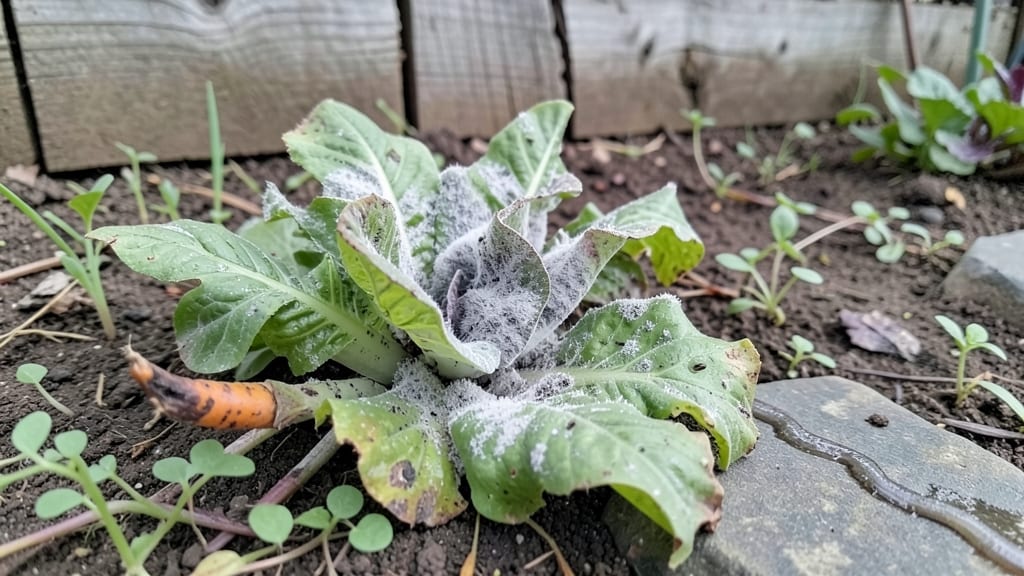
Identifying garden fungus types starts with spotting the right symptoms on your plants. That white, powdery coating on roses or squash? That’s powdery mildew, one of the most common fungi.
It looks like flour dusted on leaves and spreads rapidly in humid conditions. The key is catching it early—before it turns leaves yellow and crispy.
Rust fungus shows up as orange or brown spots on the undersides of leaves, often on beans, raspberries, or turfgrass. Unlike powdery mildew, rust thrives in wet conditions and can weaken plants quickly.
Black spots on tomato or potato leaves? That’s early blight, another stubborn fungus that loves warm, damp weather. Each type leaves distinct clues—knowing what to look for saves your plants.
Once you spot the problem, act fast with basic fixes: prune infected leaves, remove debris, and improve airflow around plants. For powdery mildew, a simple spray of baking soda mixed with water can help.
Rust often needs copper-based fungicides, while blight responds well to sanitation and resistant plant varieties. The goal is to stop the spread before it takes over.
Most garden fungi love moisture and poor airflow, so prevention is easier than cure. Space plants properly, water at the base (not overhead), and choose disease-resistant varieties. With these steps, you’ll keep your garden thriving—no mystery fungi in sight. Let’s tackle this together, one plant at a time.
Root Causes Of Fungal Growth
Fungal outbreaks in gardens aren’t random—they thrive when specific conditions align like a perfect storm. Understanding why these microscopic invaders take hold helps you disrupt their lifecycle before they spread. Below, we break down the key triggers behind garden fungus, from soil chemistry to weather patterns, with actionable science-backed insights.
Fungi love moisture—think of them as aquatic invaders that drown plant roots. When soil stays soggy for prolonged periods (especially above 60°F/15°C), spores germinate and multiply rapidly. Poor drainage isn’t just a nuisance; it’s an open invitation for pathogens like Phytophthora (root rot) or Pythium.
- Why it happens: Excess water displaces oxygen in soil pores, creating anaerobic conditions where fungi outcompete beneficial microbes. Organic matter (like decomposing leaves) also traps moisture, acting as a fungal buffet.
- Actionable fix:
- Test your soil’s drainage rate—ideal soil should drain within 2–4 hours after watering.
- Amend heavy clay with coarse sand or perlite (1 part amendment to 3 parts soil).
- Raise beds or install French drains in low-lying areas.
Fungal spores hitchhike on air currents and land on plant surfaces, but they need humidity + stillness to infect. Stagnant air (common in dense foliage or greenhouses) traps moisture on leaves, creating the perfect dew-like breeding ground for powdery mildew (Erysiphe) or rust (Puccinia).
- Why it happens: Humidity above 75% for >12 hours triggers spore germination. Poor airflow also delays leaf drying after irrigation, leaving a 24-hour moisture window for fungi to colonize.
- Actionable fix:
- Space plants 3–4 feet apart to improve airflow (especially for tomatoes, roses, and cucurbits).
- Use drip irrigation (not overhead watering) to avoid wetting foliage.
- Install oscillating fans in greenhouses or near susceptible crops.
Fungi are opportunistic—they exploit plants weakened by stress. Sudden temperature drops (e.g., from 85°F/29°C to 50°F/10°C) shock plants, reducing their defenses. Warm, humid nights (ideal for Botrytis, or gray mold) followed by cool days create a fungal Goldilocks zone.
| Fungus Type | Optimal Temp Range | Triggering Stressors |
|---|---|---|
| Fusarium (wilt) | 75–85°F (24–29°C) | Drought stress + compacted soil |
| Rhizoctonia (damping-off) | 60–75°F (15–24°C) | Overcrowded seedlings + cold soil |
| Alternaria (leaf spot) | 70–80°F (21–27°C) | Nitrogen excess + poor sanitation |
Actionable fix:
- Monitor microclimates in your garden (shady spots stay cooler/wetter longer).
- Use mulch (straw or wood chips) to stabilize soil temps and reduce shock.
- Apply seaweed extract (rich in beta-glucans) to boost plant immunity during transitions.
Fungal spores are indestructible—they survive in soil, compost, and even on pruners for years. Reusing tools or leaving infected plant matter (like tomato stems) in beds creates a spore reservoir for next season.
- Why it happens: Pathogens like Verticillium (a soil-borne wilt) can persist for 10+ years in organic debris. Pruning shears transfer spores between plants, while compost piles with high moisture become fungal incubators.
- Actionable fix:
- Sterilize tools with 70% isopropyl alcohol or a 10% bleach solution (1 part bleach to 9 parts water) between uses.
- Remove and compost infected plants in a sealed bin (not in garden beds). Aim for 160°F (71°C) for 3+ days to kill spores.
- Rotate crops annually—don’t plant susceptible species (e.g., tomatoes, peppers) in the same spot for 3–4 years.
Fungi thrive in imbalanced soil, especially when nitrogen (N) is high and phosphorus (P) or potassium (K) are low. This creates a weakened host and a nutrient-rich fungal buffet.
- Why it happens: Excess nitrogen promotes lush, soft growth (fungi’s favorite snack), while low potassium reduces cell wall strength, making plants more penetrable to pathogens.
- Actionable fix:
- Test soil pH—most fungi prefer slightly acidic to neutral (6.0–7.0). Adjust with lime (to raise pH) or sulfur (to lower pH).
- Add composted manure or bone meal to boost phosphorus and potassium.
- Avoid synthetic fertilizers high in quick-release N (e.g., urea); opt for slow-release options like fish emulsion.
💡 Pro Tip: Preventative is easier than curative. Walk your garden weekly to spot early signs (yellowing, powdery coatings, or wilting). Remove affected leaves immediately and dispose of them in the trash (not compost)—this cuts off the fungal food source before it spreads.
How to solve it
Fungus in your garden doesn’t have to mean the end of your green thumb—with the right approach, you can restore balance and protect your plants. Below are targeted solutions for common fungus types, organized by cause, along with prevention tips to keep your garden thriving long-term.
Think of these as your fungus-fighting toolkit!
If your garden is too wet—whether from heavy rain, overwatering, or compacted soil—fungus like powdery mildew or root rot will take over. Here’s how to dry things out and prevent future problems:
- 🔥 Adjust your watering schedule: Water early in the morning (before 10 AM) to allow foliage to dry quickly. Avoid evening watering, which traps moisture overnight.
- 🍳 Improve soil drainage: Mix in compost or sand (for sandy soils) or perlite (for clay soils) to loosen compacted areas. Raised beds are a great long-term fix!
- 👨🍳 Use mulch strategically: Apply 2–3 inches of organic mulch (straw, wood chips) around plants, but keep it away from stems to prevent rot.
- ⏰ Check your irrigation: Fix leaky hoses or drip systems, and consider soaker hoses to deliver water directly to roots.
💡 Pro Tip: If your garden has clay soil, plant in mounds to help water drain away from roots.
Fungus loves crowded, humid conditions—perfect for black spot on roses or downy mildew on veggies. Break up the congestion with these steps:
- 🔪 Prune aggressively: Remove dead or diseased leaves immediately (sterilize pruners with rubbing alcohol between cuts). Thin out overgrown branches to improve airflow.
- 🌿 Space plants properly: Follow plant spacing guidelines on seed packets—crowded plants = fungus paradise. For example, tomatoes need 18–24 inches apart.
- 🌡️ Create airflow: Avoid planting tall plants (like sunflowers) next to low-lying crops (like lettuce). Use trellises for vining plants to lift them off the ground.
- ✨ Rotate crops yearly: Don’t plant the same family (e.g., tomatoes, peppers) in the same spot—this reduces soil-borne fungus buildup.
💡 Pro Tip: Top-heavy plants (like pumpkins) need extra support—use cages or stakes to keep foliage off the soil.
Leaving leaf litter, plant debris, or old mulch in your garden is like rolling out the red carpet for fungus. A deep clean is your best defense against snow mold or damping-off in seedlings:
- 🧹 Rake aggressively: Remove all fallen leaves, spent plants, and weeds from beds. Compost them only if they’re disease-free—otherwise, toss them in the trash.
- 🔥 Sterilize tools: After cleaning, disinfect pruners, shovels, and rakes with a 10% bleach solution (1 part bleach to 9 parts water) to kill lingering spores.
- 🌱 Start fresh with new mulch: If old mulch is suspect, replace it with fresh, disease-free straw or pine needles.
- 📊 Inspect stored tools/seeds: Fungus can hide in wooden tool handles or old seed packets—clean or replace them before next season.
💡 Pro Tip: Solarize your soil in late summer: Cover bare beds with clear plastic for 4–6 weeks to bake out fungus spores.
Plants under stress (from nutrient deficiencies, pests, or extreme heat) are fungus magnets. Strengthen their defenses with these preventive care steps:
- 💪 Fertilize smartly: Use a balanced, slow-release fertilizer (like 10-10-10) or compost tea to avoid overfeeding, which weakens plants.
- 🥗 Feed the soil, not just the plant: Add mycorrhizal fungi (beneficial soil microbes) to improve root health and resistance.
- 🍎 Monitor for pests: Aphids, spider mites, and other pests damage plants, making them vulnerable to fungus. Treat early with neem oil or insecticidal soap.
- 🌡️ Adjust watering for heatwaves: During droughts, water deeply but less frequently to encourage strong root growth.
💡 Pro Tip: Resistant varieties are your best friend—choose disease-resistant seeds (e.g., ‘Blight Resistant’ tomatoes or ‘Mildew-Proof’ squash).
When prevention isn’t enough, fungicides can save your plants. Here’s how to use them effectively and safely:
| Fungus Type | Recommended Treatment | How to Apply |
|---|---|---|
| Powdery Mildew | Baking soda spray (1 tbsp baking soda + 1 tsp soap + 1 gallon water) or neem oil | Spray undersides of leaves in the morning; reapply every 7–10 days. |
| Black Spot (Roses) | Copper fungicide or potassium bicarbonate | Apply preventively at bud stage and after rain. Remove infected leaves immediately. |
| Root Rot | Hydrogen peroxide (3%) or beneficial Trichoderma fungi | Soak roots in 3% H2O2 solution (1:10 ratio) for 10 mins before replanting. |
| Damping-Off (Seedlings) |