
Size
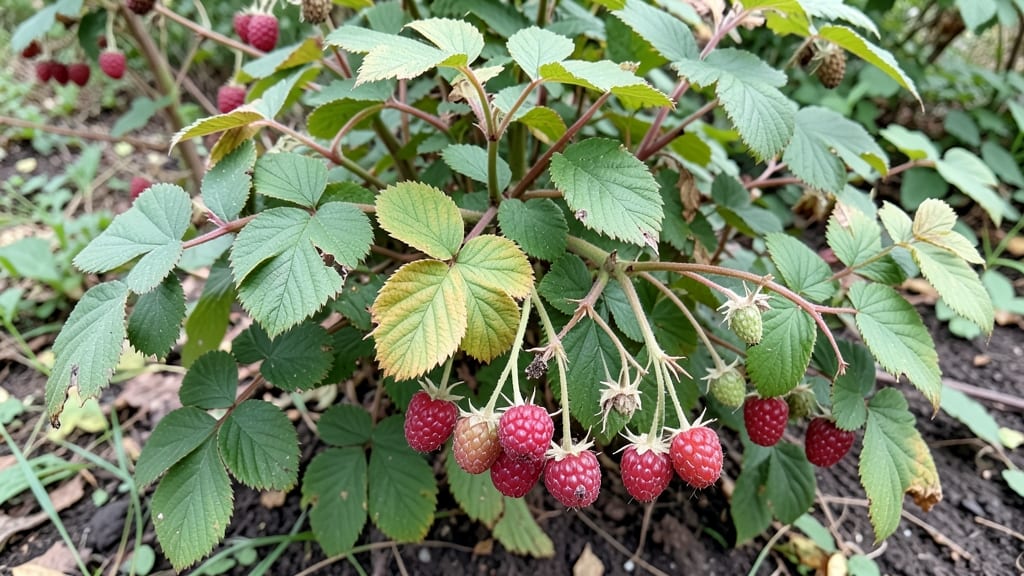
Growing garden berry fruit in containers lets you harvest sweet, juicy treats even on a balcony or patio. 🌱 I learned the hard way that berries need more than just a pot—proper soil, sunlight, and care make all the difference.
My first strawberries produced barely a handful, but after tweaking my approach, I now get pints of ripe berries all season long.
The key starts with the right containers—at least 5 gallons for strawberries, 10+ gallons for blueberries or raspberries—and well-draining soil mixed with compost. Most berries crave 6+ hours of sun daily, so place your pots where they’ll get the most light.
Watering is tricky: too much and roots rot, too little and fruit shrinks. I use a moisture meter now to avoid guessing.
By summer, you’ll be pinching off early flowers to boost root growth and pruning old canes to encourage new ones. The payoff? Bursts of flavorful berries that taste better than anything from the store.
With the right care, your containers can keep producing through multiple harvests—even in winter with a little extra protection.
This method works for strawberries, blueberries, raspberries, and even blackberries, though each has slightly different needs. Whether you’re in a small apartment or a sunny yard, containers make berry growing foolproof. Let’s get those plants thriving!
📚 In This Guide
- What you need
- Instructions
- Tips and common mistakes
- Wrapping up and next steps
What you need
- ● Berry plants: Choose disease-resistant varieties suited for containers (e.g., Alpine strawberries, Top Hat blueberries, or Heritage raspberries). Quantity depends on container size—1-2 plants per 5-gallon container is ideal.
- ● Containers: Use 5-gallon or larger pots with drainage holes. Opt for materials like fabric grow bags (for root aeration) or ceramic/terracotta (for insulation). Minimum size: 12" deep × 18" wide per plant.
- ● Potting mix: 100% organic, well-draining mix (e.g., 50% peat moss or coconut coir + 50% perlite/pumice). Avoid garden soil—it compacts in containers!
- ● Fertilizer: Slow-release granules: 10-10-10 NPK (1 tbsp per plant at planting).
- ● Organic options: Fish emulsion or compost tea (every 4-6 weeks).
- ● Acid-loving plants (blueberries): Sulfur or peat moss to maintain pH 4.5–5.5.
- ● Mulch: Straw or pine needles (2–3 inches) to retain moisture and regulate temperature.
- ● Support system: Trellis or wire cage (for raspberries/blackberries).
- ● Flower pots or hanging baskets (for trailing strawberries).
- ● Hand trowel (for planting and transplanting).
- ● Pruning shears (sterilized with rubbing alcohol).
- ● Watering can or hose with adjustable nozzle (drip irrigation is a game-changer for consistency!).
- ● pH test kit (critical for blueberries—pH strips work for quick checks).
- ● Gloves (to protect from thorns and soil-borne pathogens).
- ● Spray bottle (for misting seedlings or deterring pests).
- ● Container saucers or trays (to catch runoff and reduce evaporation).
- ● Heat mat (for extending the growing season in cool climates).
- ● Row covers or shade cloth (30–50% shade for summer protection).
- ● Compost bin (to recycle kitchen scraps into nutrient-rich fertilizer).
- ● Berry-specific pest controls: Neem oil (for mites) or diatomaceous earth (for slugs).
- ● Growth regulator (e.g., hydrogen peroxide for sterilizing tools or seaweed extract for stress relief).
Step-by-Step instructions for growing berry fruits in containers
Here’s how to cultivate thriving berry plants in pots—whether you’re growing strawberries, raspberries, or blueberries.
🪴 Step 1: Select the Right Containers and Drainage
Start with containers at least 12 inches deep for dwarf varieties or 18 inches deep for larger berry plants. I recommend fabric grow bags or terra cotta pots—both provide excellent drainage and prevent root-bound stress. If using standard pots, ensure they have at least four drainage holes to prevent soggy roots, which can lead to fungal diseases like root rot.
Line the bottom of each container with 2-3 inches of gravel or broken pottery to create an air pocket and further improve drainage. This layer acts as a buffer, keeping roots dry while allowing excess water to escape. For four plants, you’ll need four containers—one per berry type if mixing varieties, or multiple pots for the same type if they’re heavy feeders like blueberries.
🌱 Step 2: Prepare Soil and Planting Mix
Fill your containers with a well-draining, acidic potting mix—berry plants thrive in pH 5.5-6.5. For strawberries, blend 3 gallons of premium potting mix with 1 gallon of perlite or coarse sand to improve aeration. Blueberries, however, demand 2 parts peat moss or coconut coir, 1 part perlite, and a handful of sulfur to maintain acidity.
Moisten the mix until it’s evenly damp but not waterlogged—think of a wrung-out sponge. Press it down lightly to eliminate air pockets, then create a small planting hole at the center of each pot. This ensures the root ball sits at the same depth as it did in the nursery, preventing stem rot. If planting bare-root berries, soak the roots in lukewarm water for 10 minutes before placing them in the hole.
☀️ Step 3: Plant and Position for Optimal Sun
Place each berry plant in its hole, spreading the roots gently outward if they’re crowded. Cover them with soil, pressing down lightly but firmly to remove air gaps. For four plants, stagger them slightly if using a large container to maximize airflow and sunlight exposure. Water immediately after planting to settle the soil and eliminate air pockets around the roots.
Berry plants need 6-10 hours of full sun daily, but afternoon shade helps in hot climates. Position containers on a south-facing patio, balcony, or deck where they’ll receive direct sunlight for at least half the day. If growing in partial shade, opt for day-neutral strawberries or everbearing raspberries, which tolerate lower light better than their counterparts.
💧 Step 4: Water and Fertilize for Year-Round Growth
Water deeply every 2-3 days during the growing season, ensuring the top 2 inches of soil feel dry before rewatering. Berry plants are shallow-rooted, so consistent moisture is key—never let them wilt. In containers, soil dries out faster than in the ground, so check moisture levels daily in summer and every 3-4 days in cooler months. Use a moisture meter or stick your finger into the soil to gauge depth.
Fertilize every 4-6 weeks with a balanced, acidic fertilizer (like a 10-10-10 or 20-20-20 with sulfur). For blueberries, switch to a specifically formulated blueberry fertilizer in early spring to support fruit development. Avoid high-nitrogen fertilizers—they promote leafy growth at the expense of berries. I like to top-dress with compost in late summer to replenish nutrients without risking over-fertilization.
✂️ Step 5: Prune and Maintain for Maximum Yield
Prune spent canes (those that have fruited) back to the ground in late winter or early spring. For raspberries and blackberries, remove any canes that are thinner than a pencil—they won’t produce well. Strawberries benefit from deadheading (removing old flowers) to encourage continuous blooming throughout the season. Use clean, sharp pruners to avoid damaging stems, and sterilize them with rubbing alcohol between cuts to prevent disease spread.
Mulch with 2 inches of pine needles or shredded bark to retain moisture, suppress weeds, and gradually acidify the soil—especially important for blueberries. In late fall, reduce watering slightly to harden off plants before winter. If growing in a cold climate, move containers to a protected location or wrap them in burlap to shield roots from freezing temperatures. With consistent care, you’ll harvest sweet, plump berries for months on end.
Tips & tricks for maximizing your container berry harvest
A few key strategies will help you transform your balcony or patio into a thriving berry garden that produces fruit year-round. These insights come from years of trial and error—and a few too many wilted plants before I got it right.
Container Size Matters: In Step 1, those 12-inch and 18-inch depth recommendations aren't arbitrary—they directly impact root growth and fruit production. For blueberries, which are heavy feeders, I've found that adding one extra inch of depth (making it 19 inches total) gives roots more room to spread and access nutrients. This extra space prevents the roots from circling and becoming root-bound, which stunts growth. If using fabric grow bags, opt for the largest size available—they allow for better aeration and drainage than standard pots.
Soil pH is Non-Negotiable: When preparing your planting mix in Step 2, don't skimp on the acidity adjustments. I've ruined three blueberry batches by ignoring the pH 5.5-6.5 range—once I tested my soil and found it was actually 7.2! For strawberries, that 3:1 ratio of potting mix to perlite is crucial for preventing compacted soil. Pro tip: Keep a small pH test kit handy. After each fertilization (every 4-6 weeks), test your soil again—berry plants can quickly become too acidic or alkaline, especially in containers where nutrients wash out faster.
Sunlight Strategy for Small Spaces: The 6-10 hours of sunlight requirement in Step 3 can be tricky in urban settings. If your only sunny spot gets just 4-5 hours, choose day-neutral strawberries—they'll produce fruit even with less light. For raspberries, position your containers on a rotating stand so you can turn them throughout the day to maximize exposure. I've had great success with south-facing windowsills too—just supplement with a grow light for 2-3 hours in the evening during shorter winter days.
Watering Wisdom: That "every 2-3 days" guideline in Step 4 is a starting point, not a rule. In summer, I check moisture levels twice daily—once in the morning and once in the evening. The key is the top 2 inches of soil—if it's dry at that depth, it's time to water. For containers, I've found that watering deeply once in the morning (rather than light waterings throughout the day) encourages deeper root growth. Use a watering can with a long spout to reach the center of large containers without disturbing the plants.
Pro Tips for Grow A Garden Berry Fruit
- A few key strategies will help you transform your balcony or patio into a thriving berry garden that produces fruit year-round.
- Container Size Matters: In Step 1, those 12-inch and 18-inch depth recommendations aren't arbitrary—they directly impact root growth and fruit production.
- Soil pH is Non-Negotiable: When preparing your planting mix in Step 2, don't skimp on the acidity adjustments.
Frequently asked questions
about growing berry fruits in containers—because every gardener deserves a little clarity!What’s the best time of year to plant berry fruits in containers?
For most berries (like strawberries, raspberries, or blueberries), plant in early spring after the last frost when soil warms to at least 40°F (4°C). If you’re in a warm climate, fall planting can also work! Containers warm up faster, so you can extend your season slightly. Just avoid planting in extreme heat—berries hate stress!
Can I grow berries in containers year-round, or do they need winter rest?
Many berries (e.g., strawberries, blackberries) thrive in containers year-round in mild climates, but most need a dormant period in winter. In cold zones, move pots to a garage or sheltered spot (but don’t freeze them solid!). Everbearing varieties (like some raspberries) may produce two crops per year with proper care—just prune old canes in late winter!
Why are my container-grown berries not fruiting—what am I missing?
Lack of fruit often means poor pollination, insufficient sunlight, or nutrient deficiencies. Ensure your container gets 6+ hours of sun daily and hand-pollinate if bees are scarce (gently shake flowers). Check your soil pH—blueberries need acidic soil (4.5–5.5), while strawberries prefer slightly acidic to neutral (5.5–6.8). Overcrowding or old plants can also stunt fruit—prune and fertilize regularly!
What are the easiest berries to grow in containers for beginners?
Start with these low-maintenance picks:
- Strawberries: Fast-growing, prolific, and happy in 6"+ pots with good drainage.
- Dwarf blueberries: Compact varieties like ‘Top Hat’ thrive in acidic soil mixes.
- Raspberries (everbearing): Choose ‘Heritage’ or ‘Carolina Gold’—they produce in summer and fall!
- Alpine strawberries: Tiny but sweet, perfect for hanging baskets or small pots.
Do I need special soil for container berries, or can I use regular potting mix?
Regular potting mix works for most berries, but amend it for better results:
- Blueberries: Use a peat-based or acidic mix (pH 4.5–5.5) with perlite.
- Strawberries/Raspberries: Add compost + slow-release fertilizer (like 10-10-10) at planting.
- Drainage is key: Elevate pots to prevent root rot—add a layer of gravel or broken pottery at the bottom.
Wrapping up and next steps
Growing your own berry fruit in containers is a rewarding journey that brings fresh, flavorful treats right to your doorstep—literally! With the right year-round care, you’ll enjoy bountiful harvests while maximizing space and effort.
Whether you’re a beginner or seasoned gardener, the key is consistency: watering wisely, pruning regularly, and protecting your plants from pests.
Ready to dive in? Start small with one or two containers—pick your favorite berry (strawberries, blueberries, or raspberries!)—and let your green thumb shine. 🌱 Your first harvest is just a season away!