
Tools
Transforming your garden into a living canvas with whimsical DIY flower decorations turns every season into a celebration. I’ve spent years creating centerpieces that feel like they belong in a storybook—whether it’s a rustic wooden trellis bursting with climbing roses or a driftwood frame holding wildflowers for a cottage-core vibe.
The best part? These projects use what you already have, plus a few thrifted finds, to make your outdoor space feel like a curated escape.
Seasonal swaps keep things fresh without breaking the bank. Spring calls for pastel peonies in vintage teacups, summer thrives with sunflowers in mason jars along pathways, and fall glows with dried pampas grass and berries in woven baskets.
Even winter gets its moment with evergreen sprigs and frosted pinecones in glass cloche displays. The key is mixing textures—think rough bark with delicate petals or smooth stones with trailing vines—to create depth that catches the eye.
You’ll end up with displays that double as conversation starters and photo backdrops. A well-placed lantern filled with gardenias or a hanging basket of trailing nasturtiums adds instant charm, while layered arrangements in galvanized buckets or antique crates elevate any corner.
These aren’t just decorations; they’re memories waiting to happen, whether it’s a quiet morning coffee with blooms on the patio table or a summer evening glowing with lantern-lit flowers.
Works for any yard size, from urban balconies to sprawling backyards—just scale the containers and keep the spirit of playfulness. Let’s turn your garden into a stage where every season has its own spotlight.
Root Causes of Faded Blooms
Even the most stunning garden flower decorations can lose their luster over time, leaving you with wilted or dull displays. Understanding why this happens helps you preserve their beauty longer. Let’s break down the science behind common issues and how they affect your floral arrangements.
Flowers are delicate, and excessive heat or direct sunlight accelerates dehydration. When temperatures rise, petals lose moisture rapidly, causing them to wilt, fade, or even crisp at the edges. Ultraviolet (UV) rays also break down pigments, leading to color loss—especially in bright hues like reds, pinks, and purples.
🔍 Why it matters: In hot climates or during peak summer afternoons, flowers can dry out in as little as 2–4 hours if left unprotected. Even shade-loving varieties, like impatiens or ferns, suffer when exposed to harsh light.
💡 Actionable fix:
- Place decorations in partial shade (e.g., under a pergola or tree canopy).
- Use light-colored or reflective surfaces (like white pots) to deflect heat.
- Mist flowers early morning or late evening to replenish moisture without encouraging fungal growth.
Water is the lifeblood of flowers, but too much or too little disrupts their health. Overwatering suffocates roots by cutting off oxygen, leading to rot and bacterial growth (like Erwinia or Pythium). Underwatering, meanwhile, causes cellular dehydration, making petals droop and colors dull.
🔍 Why it matters: Most garden flowers thrive with 1–1.5 inches of water per week, but clay pots dry out faster than terracotta or self-watering containers. Wilting isn’t always a thirst signal—it can also indicate root stress from overcrowding or poor drainage.
💡 Actionable fix:
- Use well-draining soil mixes (add perlite or sand for heavy clay soils).
- Check moisture with your finger: Top 1 inch dry = time to water.
- For cut arrangements, trim stems at an angle and change water every 2–3 days to prevent bacterial buildup.
Garden decorations aren’t just about looks—they’re vulnerable to mechanical damage. Strong winds bruise petals, strip leaves, and even snap stems, while heavy rain can weigh down delicate blooms (like hydrangeas or dahlias), causing them to flatten or rot.
🔍 Why it matters: Flowers like tulips or peonies have thick, sturdy petals, but varieties with thin stems (e.g., Cleome or Snapdragons) can lose up to 30% of their blooms in a single storm. Even gentle breezes dry out exposed flowers faster.
💡 Actionable fix:
- Position decorations near windbreaks (fences, hedges, or trellises).
- Use stakes or floral picks to support tall, top-heavy arrangements.
- Avoid placing heavy ornaments (like glass vases) on top of delicate stems.
Insects, fungi, and bacteria are silent saboteurs of floral beauty. Aphids, spider mites, and thrips suck sap, causing petals to yellow or curl. Powdery mildew (a fungal infection) leaves white, dusty coatings, while botrytis blight turns blooms to mush in humid conditions.
🔍 Why it matters: Some pests, like Japanese beetles, can devour entire flowers in hours. Others, like Botrytis, thrive in stagnant, moist environments—common in overcrowded or poorly ventilated displays.
💡 Actionable fix:
- Inspect plants daily for signs of pests (sticky residue, holes, or webbing).
- Spray with neem oil or insecticidal soap at dusk to avoid harming pollinators.
- Remove infected leaves or blooms immediately and dispose of them in sealed bags.
- Space plants 3–6 inches apart to improve airflow and deter fungal growth.
Pro Tip: 🌡️✨ Monitor your garden’s microclimate—tools like soil moisture meters or mini weather stations can help you predict stress factors before they damage your decorations. Adjust care routines seasonally (e.g., more frequent watering in summer, less in winter).
Revive and Refresh Your Blooms
Transforming your garden into a vibrant display of flower decorations is rewarding, but even the most stunning arrangements can face challenges. Whether it’s wilting petals, pests, or fading colors, these practical solutions will help you restore beauty and keep your garden thriving year-round.
Below, we’ve mapped common issues to easy fixes—plus prevention tips to avoid future headaches.
Cause: Overwatering, underwatering, poor drainage, or extreme heat. Fix It:Revive droopy stems with these steps:
- 💧 Check soil moisture: Stick your finger 1–2 inches into the soil. If it’s bone-dry, water deeply until it drains from the bottom. If soggy, let it dry out for a day or two.
- 🌿 Trim damaged foliage: Snip off brown or yellow leaves with clean scissors to redirect energy to healthy growth.
- ☀️ Shield from harsh sun: Move potted arrangements to partial shade during peak afternoon heat (12–4 PM). Use a sheer cloth or shade sail if needed.
- 🌱 Boost nutrients: Add a balanced liquid fertilizer (like 10-10-10) to the watering can once a week for two weeks.
💡 Pro Tip: For cut flowers in vases, recut stems at a 45° angle every 2–3 days to improve water uptake. Add a penny to the vase to prevent bacterial growth!
Cause: Aphids, spider mites, or slugs feasting on leaves and petals. Fix It:Kick pests to the curb without harsh chemicals:
- 🛡️ Spray with soapy water: Mix 1 tsp mild dish soap (like Dawn) with 1 quart of water. Spray directly on pests—reapply every 3–4 days.
- 🌿 Introduce beneficial insects: Ladybugs and lacewings devour aphids. Buy them online or attract them with nectar-rich flowers like marigolds.
- 🍎 Use physical barriers: Place copper tape around pots (slugs hate it!) or set out beer traps (bury a shallow dish filled with beer—slugs drown in it overnight).
- 🌱 Neem oil treatment: Mix 1 tbsp neem oil with 1 quart of water and ½ tsp soap. Spray on leaves (test on a small area first). Repeat weekly.
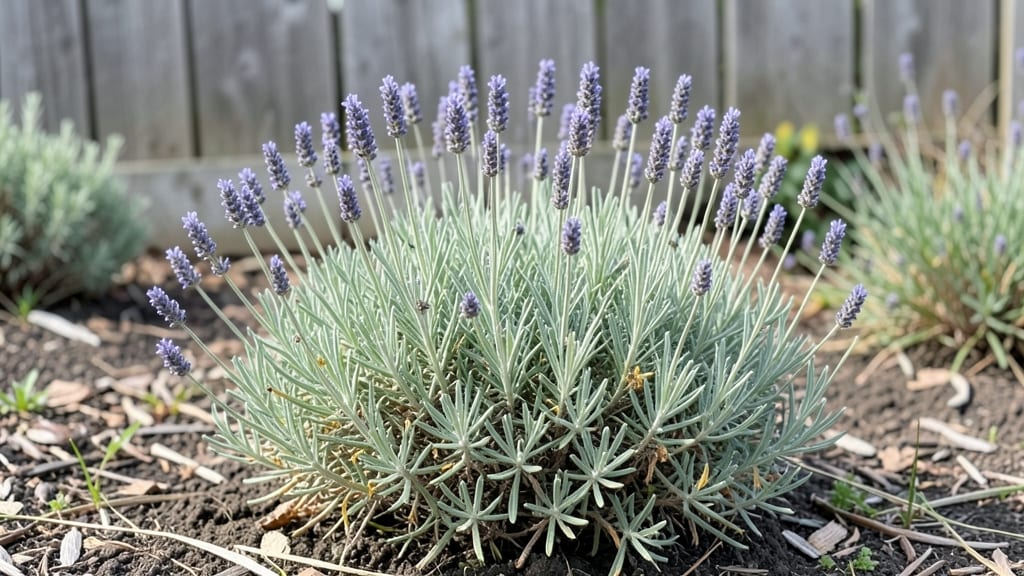
✨ Prevention Tip: Plant pest-repelling companions like lavender, basil, or rosemary near your flower beds. They confuse pests and add fragrance!
Cause: Sun exposure, old age, or nutrient deficiency. Fix It:Bring back vibrant hues with these tricks:
- 🌞 Rotate arrangements: Move containers every few days to ensure even sun exposure. North-facing spots get less direct light, which can make colors fade faster.
- 🌿 Deadhead regularly: Snip off spent blooms to encourage new flowers. Use sharp scissors and cut just above a leaf node.
- 🍄 Feed with color-boosting fertilizers: Switch to a high-phosphorus fertilizer (like 5-10-5) to promote blooming. Follow package instructions.
- 💧 Water at the base: Avoid wetting leaves (especially in sunny climates), as this can cause sunburn and dullness.
🎯 Seasonal Swap: For fall/winter, replace summer annuals with cold-hardy flowers like pansies or ornamental kale. Their deep colors add instant pizzazz!
Cause: Wind, rain, or frost weakening stems. Fix It:Protect your decorations from Mother Nature’s mood swings:
- 🌬️ Secure loose stems: Tie tall flowers (like sunflowers or delphiniums) to stakes with soft plant ties or twine. Bend, don’t break!
- 🏠 Move indoors temporarily: For heavy rain or wind, bring delicate arrangements under a covered porch or into a garage. Avoid direct heat sources.
- ❄️ Frost protection: Cover tender plants with frost cloth or old blankets at night. Remove in the morning to prevent mildew.
- 🌱 Mulch the base: Add 2–3 inches of mulch (straw or shredded leaves) around potted plants to insulate roots and retain moisture.
🔥 Emergency Fix: If a storm snaps stems, prop them up with toothpicks or bent wire. Most flowers will regrow if the crown (base) is still intact.
Cause: Fungal infections (like powdery mildew) or bacterial rot. Fix It:Save your flowers before the problem spreads:
- 🧼 Clean up debris: Remove all fallen leaves, stems, or dead flowers. Dispose of them in the trash (not compost)—disease spores linger!
- 🌿 Improve airflow: Space plants 12–18 inches apart to reduce humidity and prevent fungal growth.
- 💊 Fungicide spray: Use a copper-based fungicide (like Bonide Copper Fungicide) as a last resort. Follow label instructions carefully.
- 🌱 Replace infected plants: If a flower is beyond saving, pull it up and replace it with a healthy one. Don’t replant in the same spot for 2–3 weeks.
🌡️ Prevention Tip: Water in the early morning so foliage dries quickly. Avoid overhead sprinklers, which spread spores like wildfire.
With these solutions, your garden flower decorations will stay fresh, pest-free, and radiant—no matter the season. A little TLC goes a long way in keeping your outdoor space as stunning as your vision! 🌺✨
Frequently asked questions
What are the easiest flowers to use for DIY garden decorations?
Start with hardy, long-lasting blooms like sunflowers, zinnias, or snapdragons—they hold their shape well and come in vibrant colors. For low-maintenance charm, try succulents (like echeveria) or dried flowers (like baby's breath or statice), which need minimal watering and last for weeks. These varieties are forgiving for beginners and work beautifully in mason jars, wooden crates, or hanging baskets.
How can I make my garden flower decorations last longer?
Keep arrangements fresh by trimming stems at a 45° angle every 2-3 days and changing the water every 48 hours. Place them in partial shade during peak sun (11 AM–3 PM) to prevent wilting. For outdoor displays, mist flowers in the early morning and avoid overhead watering to reduce fungal risks. Adding a splash of bleach (1 tsp per gallon of water) to vase water can also extend their life by 3-5 days.
Can I use non-floral elements in my garden decorations?
Mix flowers with unexpected textures like driftwood, vintage teacups, or galvanized metal buckets for a rustic look. For a whimsical touch, incorporate glass bottles, old keys, or even children's toys (like miniature teapots) into arrangements. The key is balancing natural and man-made elements—think 70% flowers and 30% decorative accents to keep the focus on the blooms while adding personality.
What’s the best way to arrange flowers in containers for maximum impact?
Use the "odd-number rule" for visual appeal—group 3, 5, or 7 stems per container, varying heights and colors. Place taller flowers in the center and shorter ones around the edges. Fill gaps with foliage (like ferns or ivy) to create depth. For hanging baskets, let trailing flowers (like nasturtiums) spill over the sides while keeping upright varieties (like geraniums) toward the center. Rotate containers every 3-4 days so all sides get even light.
How do I style garden decorations for different seasons?
Spring: Use pastel peonies or tulips in vintage teacups with moss accents. Summer: Opt for bold sunflowers or dahlias in woven baskets with citrus slices for a pop of color. Fall: Incorporate dried pampas grass, berries, and eucalyptus in rustic wooden boxes. Winter: Swap to evergreens, pinecones, and dried orange slices in glass cloches or lanterns. Each season’s color palette and textures should reflect its natural mood—think light and airy for spring, vibrant and lush for summer, and warm and cozy for fall/winter.