
Flowers
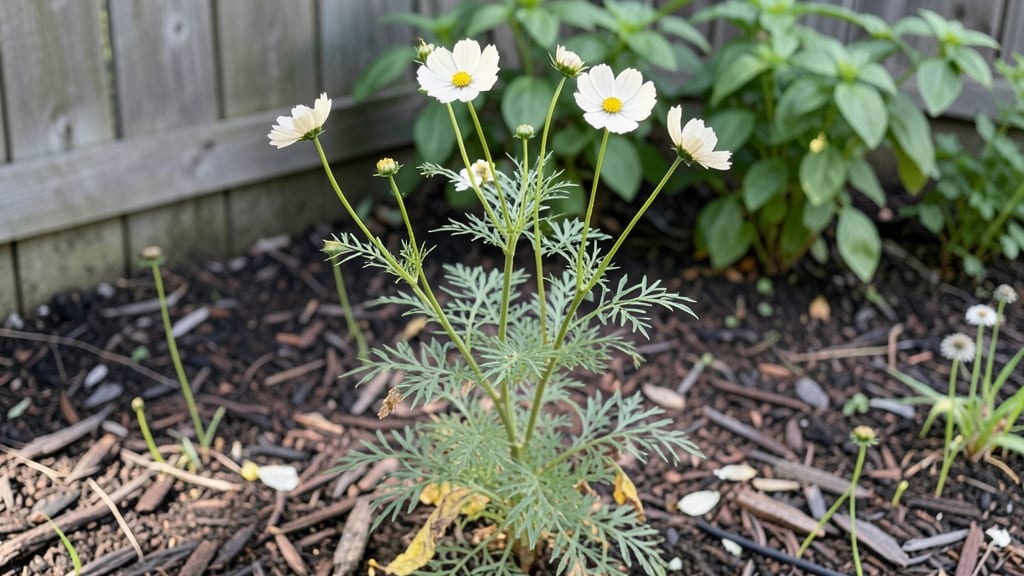
Growing a garden cosmos plant 🌼 is like inviting a low-maintenance superstar into your yard—one that rewards you with months of effortless blooms while barely asking for anything in return.
Imagine a garden that bursts with vibrant blooms year-round, requiring almost no effort—welcome to the cosmos, a drought-tolerant superstar that thrives in almost any condition. If you've ever struggled with wilting flowers or fussy plants, this is your game-changer.
These cheerful blooms love full sun and well-drained soil, making them perfect for USDA Zone 6a gardens (and beyond). Plant them in spring after the last frost, and they’ll reward you with continuous color from July through October.
Below, I’ll walk you through everything—from ideal planting conditions to pruning tips and troubleshooting common issues—so you can enjoy a garden that feels like a five-star resort for flowers.
How to grow garden cosmos plants for maximum blooms
Garden cosmos plants are one of the easiest annual flowers to grow, offering vibrant blooms with minimal effort. Whether you're a beginner or seasoned gardener, these drought-tolerant beauties thrive in almost any condition.
The secret to continuous flowering lies in understanding their basic needs—sunlight, soil, and water—while avoiding common pitfalls like overwatering or over-fertilizing.
Cosmos plants are fast-growing and self-seeding, meaning they often return year after year without replanting. To maximize your blooms, focus on planting at the right time, providing well-draining soil, and following a simple care routine.
With just a few steps, you can enjoy non-stop color from early summer until frost.
Step-by-Step Guide to Growing Garden Cosmos
- Choose the Right Location: Plant cosmos in a spot with full sun exposure (6+ hours daily). They tolerate partial shade but produce fewer blooms. Avoid low-lying areas where frost or cold air settles.
- Prepare the Soil: Cosmos thrive in average to poor soil. Amend with compost for better drainage, but avoid rich, nitrogen-heavy soil, which encourages leafy growth over flowers. A pH of 6.0-7.0 is ideal.
- Direct Sow Seeds: Plant seeds 1/4 inch deep, spacing them 12-18 inches apart for dwarf varieties or 24 inches apart for tall types. Sow after the last frost when soil reaches 60°F+. No need to transplant seedlings—they dislike root disturbance.
- Water Deeply but Infrequently: Keep soil moist but not soggy during germination. Once established, water deeply 1-2 times per week, allowing the top inch of soil to dry between waterings. Overwatering causes root rot and weak stems.
- Deadhead Regularly: Pinch or cut back spent blooms to encourage new flower production. This simple step extends the blooming season from early summer until frost. Use clean, sharp scissors to avoid damaging stems.
- Fertilize Lightly: Use a balanced fertilizer (5-10-10) sparingly—once in early summer and again in mid-summer. Too much fertilizer reduces blooms and attracts pests. Organic options like fish emulsion work well.
- Support Tall Varieties: Stake or cage tall cosmos varieties (4-6 ft) to prevent flopping. Use bamboo stakes or tomato cages for support. Avoid tying stems too tightly to prevent damage.
- Prevent Pests Naturally: Cosmos are deer- and rabbit-resistant, but watch for aphids or spider mites. Spray with neem oil or introduce ladybugs for organic pest control. Healthy plants rarely need intervention.
- Harvest Seeds for Next Year: Allow some flowers to go to seed in fall. Collect dry seed heads, store them in a cool, dry place, and replant next spring. This ensures a free supply of cosmos for years to come.
One of the biggest mistakes gardeners make is overcrowding cosmos plants. While they’re forgiving, proper spacing ensures better airflow and fewer diseases. If you notice yellowing leaves or stunted growth, it may signal overwatering or poor drainage.
Adjust your watering routine and check soil moisture with your finger before adding more water.
For year-round color, succession plant cosmos every 2-3 weeks from spring to early summer. This staggered approach ensures a continuous display of blooms without gaps. Pair them with companion plants like marigolds (to deter pests) or basil (to improve flavor if used in containers).
In hot climates, cosmos may bolt early (produce flowers quickly). To delay blooming and extend the season, provide light shade during peak afternoon heat. In cooler regions, choose early-maturing varieties like 'Sensation Mix' to ensure blooms before frost.
With these simple steps, your garden cosmos will reward you with abundant, carefree blooms that attract butterflies and bees all season long. The best part? Once established, they require almost no maintenance—just sit back and enjoy the show! 🌼🌻🌷
Best garden cosmos varieties for different climates and colors
When selecting cosmos varieties for your garden, consider both climate zones and color preferences. These plants thrive in USDA zones 3-11 but offer stunning variations in height and bloom shades. My top picks include dwarf varieties for containers and tall types for cut flowers, all with minimal care requirements.
For beginner gardeners, I recommend starting with 'Sensation Mix'—its pink, white, and magenta blooms attract pollinators while requiring only 6 hours of sunlight daily. If you love bold colors, 'Bright Lights' features deep burgundy foliage with pink and white flowers, perfect for drought-prone areas.
| Variety | Height | Color Palette | Climate Zones | Best For |
|---|---|---|---|---|
| 'Bright Lights' | 3-4 ft | Pink/white blooms, burgundy foliage | 3-11 | Cut flowers, pollinators |
| 'Sensation Mix' | 2-3 ft | Pink, white, magenta | 4-10 | Borders, containers |
| 'Seashells' | 1-2 ft | White, cream, blush | 5-11 | Rock gardens, fairy gardens |
| 'Sonata Series' | 4-5 ft | Single/double blooms (varied) | 3-10 | Backyard borders, bouquets |
If you live in cooler climates (zones 3-5), opt for 'Sonata Series'—its double blooms and tall stature (4-5 ft) make it ideal for cutting gardens. For hot, dry regions (zones 8-11), 'Seashells' thrives with its drought-resistant nature and delicate white blooms.
For container gardening, I grow 'Dwarf Cosmos' varieties like 'Ladybird', which stays under 12 inches tall and blooms in pink, red, and white. These are perfect for balconies or patios where space is limited. Always ensure containers have drainage holes to prevent root rot.
No matter your choice, cosmos plants reward you with continuous blooms from summer to frost. Plant seeds directly in the garden after the last frost for the fastest results.
My trick? Deadhead spent blooms regularly to encourage more flowers—it takes just 2 minutes per plant but yields double the blooms.
For long-lasting color, mix varieties like 'Bright Lights' (burgundy foliage) with 'Sensation Mix' (pastel blooms). This creates a stunning visual contrast while keeping maintenance effortless. Once established, these plants need almost no watering—just let nature take its course!