
Tools
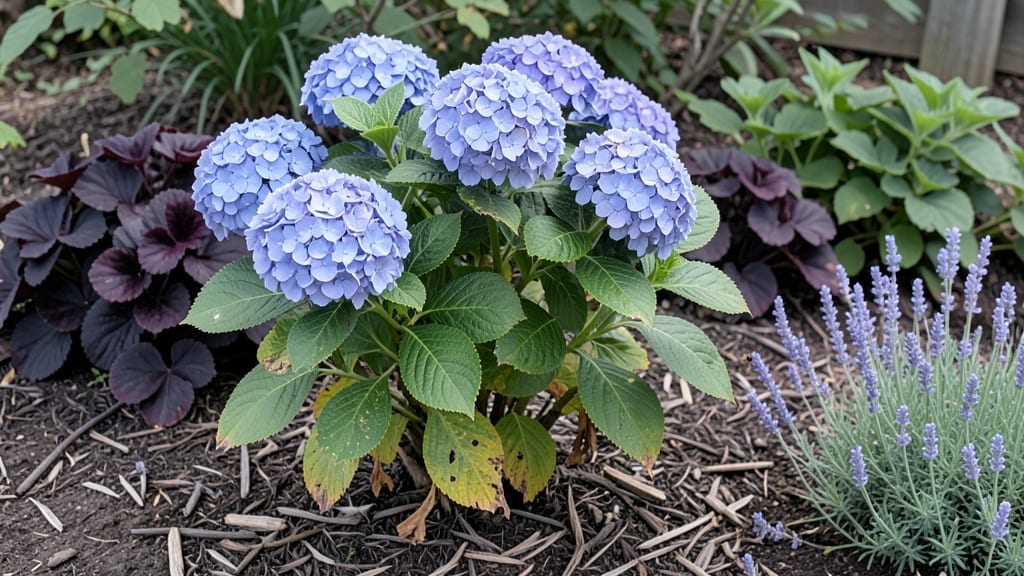
Mastering the art of garden color schemes isn’t about complicated rules—it’s about smart pairings that feel natural and let your space hum with harmony from spring to frost. 🌿 I’ve designed gardens where purple blooms pop against golden foliage, and the whole space feels effortlessly cohesive. needing a color wheel.
The secret lies in three simple schemes that work year-round: complementary, analogous, and monochromatic.
Start with what you love—whether it’s bold reds or soft blues—and build around it. My go-to combo? Purple coneflowers with buttery yellow black-eyed Susans, framed by deep green hostas. These colors naturally balance each other, so you won’t need to stress over seasonal swaps.
Even my beginner-friendly garden beds stay cohesive because the palette repeats across perennials, annuals, and foliage.
By summer, you’ll have a space that feels intentional, not random. The purple-and-yellow combo alone draws in pollinators while keeping the eye moving—no clashing colors, just effortless harmony.
And the best part? These schemes adapt easily to any climate or sunlight conditions. Here’s how to pull it off without second-guessing your choices.
Fair warning: once you see how simple this is, you’ll spot these color stories everywhere—from city parks to neighbor’s yards. The key is starting small: pick one bed, one scheme, and let the plants do the rest. You’ll wonder why you ever overcomplicated it.
📚 In This Guide
- What you need
- Instructions
- Tips and common mistakes
- Wrapping up and next steps
What you need
- ● Plants: Choose 3–5 varieties per color scheme (e.g., pansies, impatiens, petunias, salvia, or ornamental grasses). Aim for a mix of annuals, perennials, and shrubs for seasonal variety.
- ● Soil: 1–2 bags of high-quality garden soil or potting mix (50–70 lbs per bag). Opt for organic blends for best results.
- ● Mulch: 2–3 cubic feet of organic mulch (e.g., shredded bark or pine straw) to retain moisture and suppress weeds.
- ● Fertilizer: Slow-release granular fertilizer (10–20 lbs) or liquid feed (1–2 gallons) for balanced nutrition.
- ● Watering Supplies: A hose with adjustable nozzle or a watering can (5-gallon capacity). Add a soaker hose for deep hydration.
- ● Hand Trowel: 1 medium-sized trowel (6–8 inches) for planting and soil amendments.
- ● Pruners: Bypass pruners (1 pair) for trimming and shaping plants.
- ● Garden Gloves: A pair of durable, breathable gloves to protect your hands.
- ● Measuring Tape: 10–25 feet for spacing and layout.
- ● Wheelbarrow or Bucket: 5–7 gallon capacity for hauling soil, mulch, or tools.
- ● Color Wheel Guide: A printed or digital garden color wheel to visualize scheme combinations.
- ● Stakes or Labels: Biodegradable plant markers to track varieties and colors.
- ● Edging Tools: Metal or plastic edgers to define garden beds neatly.
- ● Lighting: Solar-powered garden lights (3–5 units) to highlight key areas after dark.
- ● Seasonal Add-Ons: Potted seasonal flowers (e.g., mums for fall, tulips for spring) to refresh schemes.
Instructions for designing a cohesive garden color scheme
Here’s how to create a visually striking garden that flows effortlessly from season to season.
🌿 Step 1: Choose a Dominant Color Palette
Pick one primary color that will anchor your design—think deep blues, warm reds, or soft whites. I like to start with a color from your home’s exterior or a favorite piece of decor. This color will make up 60% of your plant selections, so choose something you love. For example, a lush purple-blue palette (lavender, hydrangeas, delphiniums) feels cool and serene, while golden yellows (coreopsis, black-eyed Susans) bring warmth.
Next, select two secondary colors that complement your primary. These should harmonize naturally—think blues with whites and purples, or reds with oranges and greens. Use these colors to fill 30% of your garden. I often sketch a simple color wheel to visualize combinations before planting. This ensures your garden feels intentional, not random.
☀️ Step 2: Layer Plants for Seasonal Texture
To keep your garden vibrant year-round, layer plants by height and bloom time. Start with tall perennials (like black-eyed Susans or coneflowers) as your backbone—they’ll provide structure and draw the eye. Add medium-height shrubs (like butterfly bush or hydrangeas) for mid-level interest, and fill gaps with low-growing annuals (like pansies or sweet alyssum) for color near the ground.
I like to group plants by bloom season: spring bulbs (tulips, daffodils) lead the show early, summer perennials (daylilies, bee balm) take over mid-season, and fall foliage (Japanese maples, ornamental grasses) extends the display. This way, your garden never feels bare. For example, if you love pinks and purples, plant clematis for summer height, coral bells for spring foliage, and Russian sage for late-season blooms.
🪴 Step 3: Add Foliage and Structural Plants
Don’t overlook foliage—it’s the glue that holds your color scheme together. Choose plants with contrasting leaf textures (like silver lamb’s ear next to deep purple heuchera) to add depth. Even if a plant doesn’t bloom, its leaves can tie the palette together. For instance, variegated hostas (white and green) soften a bold red-and-orange garden, while chartreuse coleus brightens a blue-and-white scheme.
Incorporate structural plants like ornamental grasses (little bluestem, fountain grass) or evergreens (boxwood, holly) to frame your color blocks. These plants provide year-round interest and prevent your garden from looking flat. I always place a clumping bamboo or a boxwood hedge as a backdrop to highlight seasonal blooms. This keeps the focus on your color palette while adding movement and texture.
⏰ Step 4: Test Your Scheme Before Planting
Before digging, arrange your plants in containers or a sketch to see how they’ll look together. I use flat trays or garden markers to group plants by color and height. Walk through your space and check for harmony from every angle—what looks great from the sidewalk might clash when viewed from the patio. Adjust by swapping out one plant if a color feels overwhelming or missing.
Pay attention to light conditions—some colors (like deep purples or reds) can fade in harsh afternoon sun, while whites and yellows may scorch. If you’re unsure, test a few plants in pots first. For example, geraniums thrive in full sun, while impatiens prefer shade. This small step saves time and heartache later. Once you’re happy with the layout, it’s time to plant with confidence.
Tips & tricks for perfect garden color schemes
A few simple strategies will help you avoid common pitfalls and create a cohesive garden that wows all year long.
Start with a Color Wheel: Grab a basic color wheel before selecting plants—it’s the secret to effortless harmony. Focus on colors that sit next to each other (analogous schemes) or directly across (complementary schemes). For example, if your primary is deep purple, pair it with pink and white (analogous) or yellow (complementary). This ensures your garden feels balanced rather than chaotic. I keep a small wheel in my gardening notebook for quick reference when shopping for plants.
Think in Thirds: The 60-30-10 rule from Step 1 is your best friend. When selecting plants, group them in these proportions to create visual harmony. For instance, if you choose lavender (60%) as your primary, add hydrangeas (30%) and sweet alyssum (10%) for perfect balance. This ratio works for any color scheme—just adjust the specific plants to match your palette. Confession: I skipped this rule for years and wondered why my gardens felt disjointed!
Seasonal Plant Swaps: Instead of struggling to find plants that bloom all year, plan for seasonal swaps. For example, replace spring tulips with summer daylilies and fall Japanese maples in the same spot. This creates a continuous color show while keeping your design cohesive. I use a simple chart to track bloom times and swap plants every 3-4 months. It’s like rotating artwork in a gallery—always fresh but always harmonious.
Test with Containers First: Before planting, arrange your color scheme in containers or flat trays. This lets you visualize combinations without permanent commitment. Walk around your space with these arrangements to check for harmony from different angles. I’ve saved myself hours of replanting by catching color clashes in this simple step. It’s especially helpful for tricky spots like corners or areas viewed from multiple directions.
Pro Tips for Garden Color Schemes
- A few simple strategies will help you avoid common pitfalls and create a cohesive garden that wows all year long.
- Start with a Color Wheel: Grab a basic color wheel before selecting plants—it’s the secret to effortless harmony.
- Think in Thirds: The 60-30-10 rule from Step 1 is your best friend.
Frequently asked questions
Got questions about creating stunning garden color schemes without the stress? Here are some of the most common ones—and their easy answers!
How do I choose a color scheme that works year-round?
Start with evergreens (like boxwood or holly) for structure, then layer in seasonal blooms. Use cool tones (blues/purples) for spring/fall and warm hues (reds/oranges) for summer. Add winter interest with bark, berries, or frost-resistant plants like hellebores. A monochromatic palette (e.g., varying shades of green) ensures harmony across seasons.
When’s the best time to plant for a cohesive color scheme?
For perennials and shrubs, plant in early spring or fall when roots establish before extreme weather. Annuals can go in after the last frost (check your zone!). Bulbs? Plant in fall for spring blooms. Pro tip: Sketch your layout first—it’s easier to adjust before digging!
What if my garden doesn’t have much sunlight? Can I still use bold colors?
Shade-loving plants like heuchera (coral bells), ferns, or impatiens thrive in low light and come in vibrant hues. Opt for deep greens, purples, or whites to create contrast. Reflective surfaces (like mirrors or light-colored mulch) can also amplify colors in dim spaces.
How do I fix a garden that looks “muddy” or overwhelming with colors?
Start by editing: Remove overcrowded plants or faded blooms. Group colors intentionally—try the 60-30-10 rule (60% dominant hue, 30% secondary, 10% accent). Add textural contrast (e.g., spiky yucca with soft lamb’s ear) to break up chaos. Mulch in a neutral tone (like gray or tan) to unify the space.
Are there low-maintenance color schemes for busy gardeners?
Yes! Focus on perennials with long bloom times (e.g., coneflowers, black-eyed Susans) and self-seeding annuals (like cosmos). Use drought-tolerant plants (lavender, sedum) for minimal watering. Container gardens are also great—swap out a few pots seasonally for fresh colors without replanting everything.
Still stuck? Mix textures and heights—it’s the secret to a garden that feels intentional, even with minimal effort!
Wrapping up and next steps
Creating a stunning garden with season-long harmony doesn’t have to be complicated! By choosing the right garden color schemes—like bold contrasts, soft monochromes, or nature-inspired palettes—you can transform your outdoor space into a year-round masterpiece with minimal effort.
The key is layering plants, embracing seasonal shifts, and trusting your instincts—your garden will thank you!
Ready to dive in? Start small: pick one corner of your garden and experiment with a color scheme that excites you.
Whether it’s a cool blue and silver retreat or a warm terracotta and gold haven, every step brings you closer to a garden that feels like home—no stress, just joy! 🌸