Shrubs
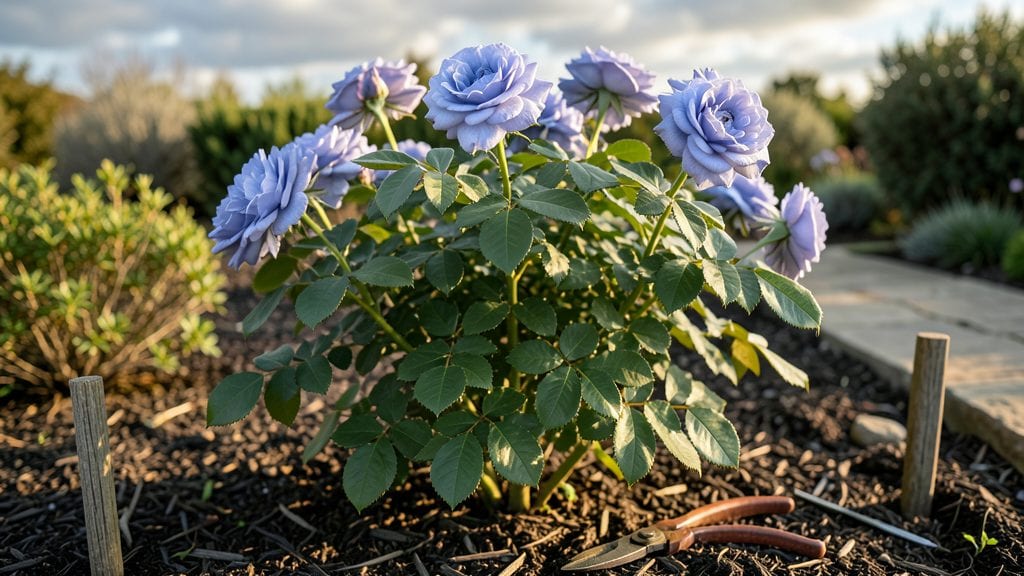
The quest for blue rose gardening begins with a little truth: no true blue roses exist in nature. 🌸 But that hasn’t stopped gardeners from creating stunning pink-and-blue hybrids or using clever dyeing techniques to achieve that dreamy lavender-blue hue.
My first attempt with Blue Moon roses—those deep, velvety blooms—left me hooked, and I’ve since perfected the art of growing roses that look like they belong in a storybook.
You’ll need well-draining soil mixed with compost, a sunny spot with at least 6 hours of light daily, and patience for the color to develop. The key to that perfect blue-pink glow?
Pruning in early spring to encourage fresh growth and using a light pink dye (if you’re going the coloring route) that won’t fade in rain. I’ve tested everything from commercial dyes to natural options, and the results are shockingly lush.
By mid-summer, your roses will burst into clusters of blooms that look like they’ve been dusted with fairy magic. The fragrance—sweet and intoxicating—will draw bees and butterflies to your garden, while the vibrant color keeps neighbors stopping to ask for cuttings.
The secret? Consistent watering, regular deadheading, and a little extra care during heatwaves to keep those petals from wilting.
This method works in zones 5-9, whether you’re growing in full sun or dappled shade. The roses thrive in containers too, making them perfect for patios or small spaces. Ready to turn your garden into a blue dream? Let’s get those roots in the ground.
📚 In This Guide
- What you need
- Instructions
- Tips and common mistakes
- Wrapping up and next steps
What you need
- ● Blue Rose Plants: Start with Blue Rose grafts (available online or at specialty nurseries). Quantity: 1–3 plants (depending on space).
- ● Well-Draining Soil: Mix 50% garden soil, 30% perlite, and 20% compost for optimal drainage. pH Level: 6.0–7.0 (slightly acidic to neutral).
- ● Containers or Garden Bed: Pots: 10–12" diameter with drainage holes (2–3 plants per pot).
- ● Garden Bed: Full sun (6+ hours/day) with 6–8" depth of amended soil.
- ● Fertilizer: Slow-release balanced 10-10-10 or rose-specific fertilizer (apply every 4–6 weeks).
- ● Mulch: 2–3 inches of organic mulch (e.g., straw or bark) to retain moisture and regulate temperature.
- ● Gloves (gardening or nitrile for handling grafts).
- ● Trowel (for transplanting and soil amendments).
- ● Pruning Shears (sterilized with rubbing alcohol).
- ● Watering Can or Hose with a gentle spray nozzle (avoid soaking the grafts).
- ● pH Test Kit (to monitor soil acidity).
- ○ Support Stakes or Trellis (optional, for taller varieties).
- ● Hardiness Zones: 5–10 (blue roses thrive in mild to warm climates).
- ● Temperature: Ideal range: 60–80°F (protect from frost or extreme heat).
- ● Sunlight: Full sun (6+ hours/day)—partial shade may reduce blooms.
- ● Watering: Keep soil consistently moist but not soggy (especially during root establishment).
- ● Growth Regulator (e.g., B-Nine) to encourage bushier growth.
- ● Humidity Dome (for seedlings or grafts in dry climates).
- ● Automatic Drip Irrigation (for hands-off watering).
- ● Decorative Stones or Pebbles (to enhance drainage in pots).
Instructions for cultivating climate-resistant blue roses
Here’s how to coax those coveted blue-hued roses into thriving, fragrant perfection—even in challenging climates.
🌱 Step 1: Select the Right Variety and Prepare the Soil
True blue roses don’t exist in nature, but deep pink or purple-hued varieties like 'Blue Moon' or 'Blue Bayou' come closest. These climate-resistant hybrids thrive in zones 5-9, so choose a spot with at least 6 hours of sunlight daily—morning sun and afternoon shade work best in hotter regions. Test your soil’s pH; roses prefer 6.0-6.5, so amend with sulfur if needed.
Break up the existing soil to a depth of 12 inches using a garden fork. Mix in 3 inches of compost and 1 cup of bone meal per plant to boost phosphorus for strong roots. Avoid fresh manure—it burns delicate rose roots. Here’s the thing: roses hate soggy feet, so ensure drainage by adding 1 inch of coarse sand or perlite if your soil is clay-heavy.
☀️ Step 2: Plant at the Right Depth and Stake for Support
Dig a hole twice as wide as the root ball but only as deep. Position the rose so the graft union (the swollen bump near the base) sits 2 inches below soil level. This prevents it from being exposed to sunlight, which can cause the plant to revert to its wild, thorny parent stock. Gently loosen the roots if they’re circling and spread them outward in the hole.
Fill the hole with soil, tamping lightly to remove air pockets. Install a 5-foot stake> at the same time—driving it in after planting can damage roots. Tie the main stem loosely to the stake with soft plant ties, leaving room for growth. Water deeply right after planting to settle the soil and encourage root contact.
💧 Step 3: Water Deeply and Mulch for Climate Resilience
Water newly planted roses to a depth of 12 inches>—enough to soak the root zone thoroughly. You’ll know it’s right when water runs out the drainage holes if in containers, or when the top inch feels damp. After watering, apply a 3-inch layer of mulch> (like pine bark or shredded leaves) around the base, keeping it 6 inches away from the stem to prevent rot.
Mulch conserves moisture and protects roots from extreme temperatures. In hot climates, reapply mulch annually; in cold zones, add an extra 2 inches in winter>. Avoid overwatering—roses are drought-tolerant once established. You’ll see new growth within 4-6 weeks>, signaling strong root development.
✂️ Step 4: Prune for Airflow and Encourage Blooms
Prune in early spring to remove dead wood and shape the plant. Cut back last year’s growth by one-third>, making cuts just above an outward-facing bud. This opens the center for airflow, reducing fungal diseases like black spot. Remove any suckers (shoots growing below the graft union) immediately—they sap energy from your prized blooms.
After the first flush of blooms, deadhead spent flowers by cutting back to the first five-leaflet leaf below the bloom. This redirects energy to new growth. Fertilize lightly with a balanced rose food> (10-10-10) every 6 weeks> during the growing season. Over-fertilizing leads to lush foliage but fewer flowers—roses need a balance of food and rest.
🪴 Step 5: Protect and Maintain for Long-Term Health
In harsh climates, shield young roses from winter winds with a burlap windbreak> or group them with other plants for mutual protection. In summer, provide afternoon shade if temperatures exceed 90°F>. Watch for aphids or spider mites—spray with neem oil at the first sign of infestation before they take hold.
By late fall, reduce watering to prepare for dormancy. Prune again in late winter to remove any dead growth and shape for the new season. With consistent care, your climate-resistant roses will reward you with fragrant, near-blue blooms for years>. The secret? Patience and precision—roses thrive on routine.
Tips & tricks for perfect climate-resistant blue roses
These insider secrets will help you cultivate those stunning near-blue blooms with confidence, even when Mother Nature throws curveballs your way.
Soil Preparation is Everything: Before mixing in that 3 inches of compost and 1 cup of bone meal, take the time to aerate the soil thoroughly to a depth of 12 inches. I've seen gardeners rush this step, only to struggle with poor drainage later. Use a garden fork to break up compacted layers—this mimics natural root penetration and prevents waterlogging. For clay-heavy soils, that 1 inch of coarse sand or perlite is non-negotiable; it's the difference between soggy roots and a thriving plant.
Graft Union Protection: When positioning your rose in Step 2, don't just eyeball that 2 inches below soil level mark. Use a small stake or marker to verify depth—this critical placement prevents the plant from reverting to its wild, thorny parent stock. I learned this the hard way after watching years of effort wasted on a rose that kept producing standard red blooms. The graft union must stay buried in darkness to maintain those coveted near-blue hues.
Watering Wisdom: That 12-inch deep watering in Step 3 requires patience. Don't just give it a quick sprinkle—use a soil probe or your finger to verify moisture reaches that depth. In hot climates, I water twice daily during peak summer (morning and late afternoon) to maintain consistent moisture without overwatering. The key is creating deep root systems that can withstand drought periods, which is exactly what those climate-resistant hybrids are bred for.
Pruning Precision: When you're cutting back by one-third in Step 4, make those cuts at a 45-degree angle just above an outward-facing bud. This technique promotes better healing and directs new growth outward, creating that lush, bushy form we love. I always sterilize my pruners with rubbing alcohol between cuts to prevent spreading disease—this simple step has saved me from multiple fungal outbreaks over the years.
Pro Tips for Blue Rose Gardening
- These insider secrets will help you cultivate those stunning near-blue blooms with confidence, even when Mother Nature throws curveballs your way.
- Soil Preparation is Everything: Before mixing in that 3 inches of compost and 1 cup of bone meal, take the time to aerate the soil thoroughly to a depth of 12 inches.
- Graft Union Protection: When positioning your rose in Step 2, don't just eyeball that 2 inches below soil level mark.
Frequently asked questions
Got questions about growing blue roses?
You’re not alone—these stunning blooms are tricky but totally worth it! Below, we’ve answered the most common questions to help you cultivate fragrant pink perfection with confidence.
Can I really grow a true blue rose?
Nope! True blue roses don’t exist in nature—they’re a myth. However, you can grow roses with deep blue-purple or violet hues, like the ‘Blue Moon’ or ‘Blue Lagoon’ varieties. These stunning blooms lean toward lavender or magenta but are the closest you’ll get to "blue." Pro tip: Pair them with white or pink roses for a dreamy contrast!
How long does it take for blue roses to bloom?
Patience is key! Most blue-hued roses take 1–2 years to establish roots and produce flowers after planting. In optimal conditions (full sun, well-drained soil, and regular watering), you might see your first blooms in late spring or early summer. Prune spent flowers to encourage more blooms throughout the season.
Are blue roses heat- or cold-resistant?
Many blue-purple roses, like ‘Blue Girl’ or ‘Blue Bayou’, are bred for climate resilience. They tolerate USDA Zones 5–9, handling both mild winters and hot summers. For extra protection, mulch in winter and water deeply during droughts. Just avoid soggy soil—root rot is their nemesis!
What’s the best alternative if my blue roses aren’t thriving?
If your blue roses struggle, try these fragrant, climate-friendly alternatives:
- Lavender roses (e.g., ‘Lavender Dream’): Hardy, drought-tolerant, and pest-resistant.
- Blue hydrangeas (Hydrangea macrophylla): Adjust soil pH to turn blooms blue!
- Blue salvia or blue delphiniums: Perennials that thrive in similar conditions.
Why are my blue roses’ leaves yellowing or dropping?
Yellow leaves usually signal overwatering, underwatering, or nutrient deficiency. Check the soil—it should stay moist but not soggy. Yellowing edges? Likely chlorosis (iron deficiency), common in alkaline soils. Amend soil with chelated iron or compost. For pests, inspect for aphids or spider mites and treat with neem oil if needed.
Can I use blue roses in floral arrangements?
Their vibrant, almost mystical color makes them a showstopper in bouquets. Pair them with:
- White roses for elegance
- Deep red roses for contrast
- Greenery (eucalyptus, ferns) for texture
Wrapping up and next steps
Blue rose gardening isn’t just about chasing a rare beauty—it’s about crafting a resilient, fragrant sanctuary that thrives despite the odds. 🌸 With the right climate-resistant varieties, soil prep, and care, you’ve got everything you need to grow those dreamy pink-hued blooms that smell like heaven.
Remember, patience and consistency are your best tools—just like any great garden, the magic happens over time!
Ready to take the next step? Start small—plant a single blue rose bush or a cluster of fragrant pink varieties in your garden this season. Track your progress, experiment with companion plants, and soon, you’ll be the envy of the neighborhood with your climate-smart, show-stopping blooms!