
Diseases
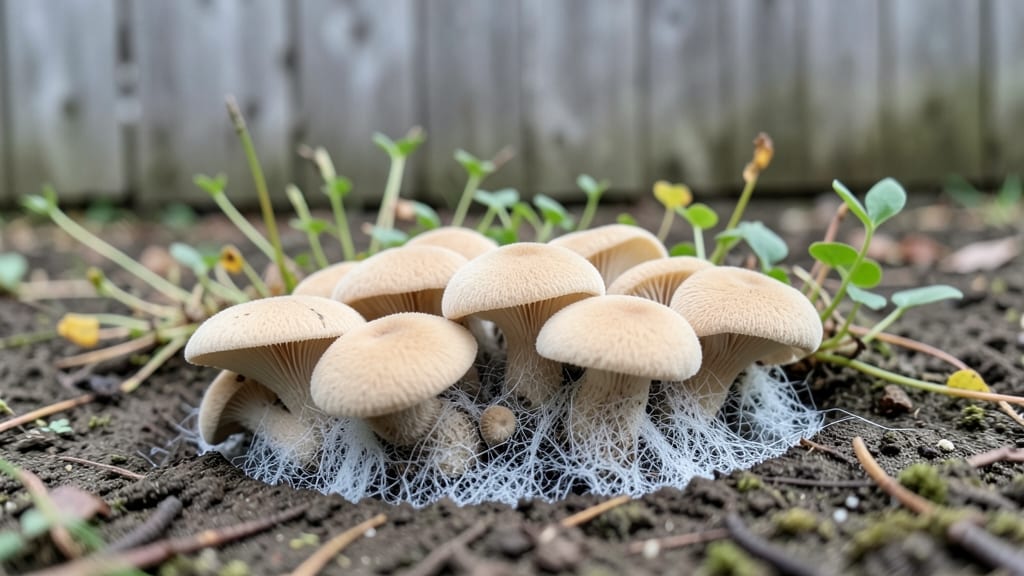
Fungus growing in my garden isn't the end of the world—it's a solvable puzzle. 🌱 I've wrestled with powdery mildew on roses, rust on peonies, and blight on tomatoes, and I'm here to tell you there's always a way to clean it up without harming your plants or the soil.
The key is acting fast and choosing the right approach for each type of fungus.
Most garden fungi thrive when conditions are just right—too much moisture, poor airflow, or overcrowded plants. I learned the hard way that yanking infected leaves or dousing everything with harsh chemicals can make things worse.
Instead, we'll focus on targeted fixes that work with nature, not against it. Think of it as giving your garden a gentle reset.
You'll walk away knowing exactly which fungi you're dealing with, how to stop their spread without damaging your soil, and when it's time to say goodbye to a plant that's beyond saving.
The goal is to keep your garden vibrant and productive, not just "alive." Trust me, your plants will thank you.
This method works for everything from shady spots to sun-drenched beds, and it's perfect for organic gardeners who want to avoid chemicals. Let's get your garden back to its best—and keep it that way.
Root Causes Of Garden Fungi
Fungi in your garden aren’t just random bad luck—they thrive because specific conditions align like a perfect storm. Understanding these triggers helps you prevent outbreaks before they start. Let’s break down the science behind why fungi take over your garden.
Fungi love moisture because their spores germinate and spread in damp conditions. When soil stays soggy for too long—whether from heavy rainfall, poor drainage, or overwatering—fungal spores wake up and multiply rapidly.
- Why it happens: - Fungi need free water (not just humidity) to grow.
Soil with >30% moisture creates ideal conditions. - Poor aeration in compacted or clay-heavy soil traps excess water, suffocating plant roots while fueling fungal growth. - Fungal types linked to this: Phytophthora (root rot), Pythium (damping-off), and Rhizoctonia (stem cankers).
- Actionable fix:
- Test soil drainage by digging a 6-inch hole, filling it with water, and timing how long it takes to drain. If it takes >6 hours, amend soil with sand, perlite, or compost.
- Water deeply but only when the top 1–2 inches of soil are dry (use a moisture meter for precision).
Leaves, mulch, and plant waste aren’t just "garden clutter"—they’re fungal buffets. Decaying organic matter provides food and shelter for spores, allowing them to persist year-round.
- Why it happens:
- Fungi decompose dead plant material, releasing enzymes that break down cellulose and lignin—the building blocks of wood and leaves.
- Thatch buildup (a dense layer of dead grass or mulch) traps moisture and blocks sunlight, creating a dark, humid microclimate perfect for fungi.
- Fungal types linked to this: Armillaria (honey fungus), Sclerotium (white mold), and Botrytis (gray mold).
- Actionable fix:
- Remove debris promptly: Rake up fallen leaves, trim dead plants, and clear mulch from plant stems.
- Aerate thatch: Use a lawn dethatcher or core aerator to break up compacted layers.
- Choose mulch wisely: Opt for wood chips or straw (less prone to matting) and keep it 2–3 inches thick, 6+ inches away from stems.
Fungi are opportunistic—they explode in growth when conditions shift abruptly, especially from hot to humid or cool to wet. This disrupts plants’ natural defenses, making them vulnerable.
- Why it happens:
- Warm, humid nights (60–80°F) with high humidity (>75%) trigger fungal spores to germinate.
- Cold snaps followed by rain weaken plants, leaving them susceptible to secondary infections like powdery mildew or rust.
- Fungal types linked to this: Erysiphe (powdery mildew), Puccinia (rust), and Alternaria (leaf spot).
- Actionable fix:
- Monitor weather forecasts and water early in the day (before 10 AM) to let foliage dry.
- Improve airflow: Prune overcrowded plants and space them 3–5 feet apart to reduce humidity pockets.
- Use row covers in spring/fall to shield plants from sudden temperature drops.
Healthy plants resist fungi because their strong cell walls and natural defenses (like phenolic compounds) deter pathogens. But when soil lacks key nutrients, plants become fungal magnets.
- Why it happens:
- Low nitrogen (N) = Weak stems and leaves (easier entry points for fungi).
- Excess phosphorus (P) can stimulate fungal growth by promoting lush, soft tissue.
- Deficiencies in silicon (Si) or calcium (Ca) weaken plant cell walls, making them more permeable to fungal invasion.
- Fungal types linked to this: Fusarium (wilting), Verticillium (vascular disease), and Phytophthora (root rot).
- Actionable fix: - Test soil pH and nutrients (ideal range: 6.0–7.0).
Amend with: - Compost or worm castings for balanced organic matter. - Kelp meal (high in silicon) to strengthen cell walls. - Lime (calcium carbonate) if soil is acidic (pH <6.0). - Avoid over-fertilizing—stick to slow-release, organic fertilizers like fish emulsion or bone meal.
Insects, slugs, and even gardening tools create wounds that serve as fungal doorways. Pests like aphids or Japanese beetles don’t just eat plants—they salivate on leaves, leaving behind sticky honeydew that feeds sooty mold fungi.
- Why it happens:
- Mechanical damage (e.g., from hail, lawnmowers, or pruning cuts) exposes xylem vessels, inviting fungi like Botryosphaeria.
- Pest activity disrupts plant cuticle layers, making tissues more susceptible to secondary infections.
- Fungal types linked to this: Colletotrichum (anthracnose), Cladosporium (leaf spot), and Sclerotinia (white mold).
- Actionable fix:
- Inspect plants weekly for pests and remove them manually (neem oil or insecticidal soap for severe cases).
- Sterilize tools with 70% isopropyl alcohol or a 10% bleach solution between uses to avoid spreading spores.
- Use protective barriers (e.g., row covers for seedlings) to prevent pest damage.
Quick Fixes for Garden Fungus
Discovering unwanted fungus in your garden can feel like a setback, but with the right approach, you can restore balance without harming your soil or plants. The key is identifying the root cause and applying targeted solutions.
Below, we break down common triggers and their fixes—plus prevention tips to keep your garden thriving long-term.
Fungus loves damp, stagnant conditions. If your garden stays soggy, excess moisture creates the perfect breeding ground for mold, mildew, or mushrooms.
🔥 Step 1: Improve Soil Drainage
- Test your soil: Dig a small hole (6–8 inches deep) and fill it with water. If it drains in under an hour, your soil is fine. If not, amend it.
- Add organic matter: Mix in compost, coconut coir, or perlite to loosen compacted soil and boost aeration.
- Raise beds or mounds: For problem areas, consider elevated planters or raised beds to prevent water pooling.
👨🍳 Step 2: Adjust Your Watering Habits
- Water deeply but less often: Aim for 1–1.5 inches per week (including rain) and water early in the morning to reduce humidity.
- Use drip irrigation: Avoid overhead sprinklers, which can splash spores onto leaves and stems.
- Mulch strategically: Apply 2–3 inches of organic mulch (straw, wood chips) to retain moisture without suffocating roots.
✨ Pro Tip:
If fungus is already spreading, skip watering for 2–3 days to let the soil dry out. Most garden fungi need consistent moisture to thrive.
Soil that’s too dense or lacking nutrients weakens plants, making them susceptible to fungal invasions. Here’s how to rebuild its health.
🔪 Step 1: Aerate the Soil
- Manual aeration: Use a garden fork or aerating tool to poke holes (6–8 inches deep) in compacted areas.
- Add bulk: Mix in sand, vermiculite, or composted manure to improve structure.
🌡️ Step 2: Boost Microbial Activity
- Feed the good guys: Sprinkle compost tea, mycorrhizal fungi, or worm castings to restore beneficial microbes that outcompete harmful pathogens.
- Plant cover crops: Fast-growing options like clover or buckwheat add organic matter and prevent erosion.
🎯 Pro Tip:
Test your soil’s pH (6.0–7.0 is ideal for most gardens). If it’s off, amend with lime (to raise pH) or sulfur (to lower it) gradually over a few months.
Leaves, fallen branches, and old mulch create hiding spots for fungal spores. A little cleanup goes a long way.
🧹 Step 1: Remove Infected Material
- Bag and dispose of: Collect dead leaves, diseased plants, or mushroom clusters and toss them in the trash (not compost—spores can survive!).
- Sterilize tools: Wash pruners with rubbing alcohol or a 10% bleach solution between cuts to avoid spreading spores.
🍳 Step 2: Prune for Airflow
- Thin out dense foliage: Trim back overgrown bushes or crowded perennials to improve airflow and sunlight penetration.
- Space out plants: Follow proper planting distances (check seed packets) to reduce humidity in the canopy.
💡 Pro Tip:
For stubborn fungal spots (like slime mold), sprinkle dry baking soda or diatomaceous earth around the base of plants—it disrupts spore germination without chemicals.
Insects like slugs or grubs create wounds that invite fungal infections. A two-pronged approach—repel pests and fortify plants—works best.
🛡️ Step 1: Use Natural Pest Deterrents
- Barriers: Place copper tape around beds to deter slugs or use crushed eggshells as a physical barrier.
- Beneficial predators: Introduce nematodes, ladybugs, or ground beetles to control grubs and larvae.
💪 Step 2: Build Plant Resilience
- Fertilize wisely: Use balanced organic fertilizers (like fish emulsion or seaweed extract) to avoid overfeeding, which weakens roots.
- Choose resistant varieties: Opt for fungus-resistant plant breeds (e.g., blight-resistant tomatoes or powdery mildew-tolerant squash).
✨ Pro Tip:
Spray plants with a 1% hydrogen peroxide solution (1 part 3% H₂O₂ to 9 parts water) every 2 weeks. It kills spores and delivers oxygen to roots!
Once you’ve tackled the current outbreak, use this checklist to prevent recurrence:
- ✅ Monitor moisture: Use a moisture meter or stick your finger in the soil—water only when the top 1–2 inches are dry.
- ✅ Rotate crops: Avoid planting the same family (e.g., tomatoes, peppers) in the same spot yearly to break fungal cycles.
- ✅ Solarize soil: In hot months, cover infested areas with clear plastic sheeting for 4–6 weeks to bake out pathogens.
- ✅ Encourage biodiversity: Plant fungus-fighting companions like garlic, chives, or marigolds near susceptible crops.
- ✅ Inspect regularly: Check undersides of leaves and mulch layers weekly for early signs of fungus.
Frequently asked questions
What are the most common types of garden fungus I might encounter?
You’ll likely spot powdery mildew (white, dusty patches on leaves), rust (orange-brown spots), or blight (dark, water-soaked lesions). Slime mold appears as bright yellow or orange goo, while mushrooms and toadstools grow from soil. Each thrives in different conditions—rust needs high humidity, while blight spreads in wet, warm weather.
Can I still use my compost if fungus is growing in my garden?
No, never compost infected plant material—spores survive and spread. Instead, bag and trash diseased leaves, stems, or mushrooms. For mushroom compost, only use well-cooked, sterilized materials (like straw or manure) to prevent reinfestation. Healthy compost should have a warm, earthy smell—never moldy or sour.
How do I know if my plants are beyond saving?
If 50%+ of leaves are covered in fungus, stems are mushy or blackened, or mushrooms keep reappearing, it’s time to remove the plant. Dig up roots too—don’t leave them behind. For mushrooms, dig a 6-inch-deep trench around the patch and fill it with copper sulfate to kill spores in the soil.
Will baking soda really stop garden fungus?
Yes! Mix 1 tablespoon baking soda + 1 teaspoon dish soap + 1 gallon water and spray on leaves (test a small area first). The alkaline pH disrupts fungal spores. Reapply every 7–10 days or after rain. For stubborn cases, add 1 tablespoon hydrogen peroxide (3%) to boost effectiveness.
Can I prevent fungus without chemicals?
Focus on airflow (prune crowded plants), sunlight (remove shade-blocking weeds), and soil health (add compost). Use mulch sparingly (2–3 inches) and water early in the day. Plant garlic, thyme, or marigolds nearby—they naturally repel fungi and pests.