
Companion Plants
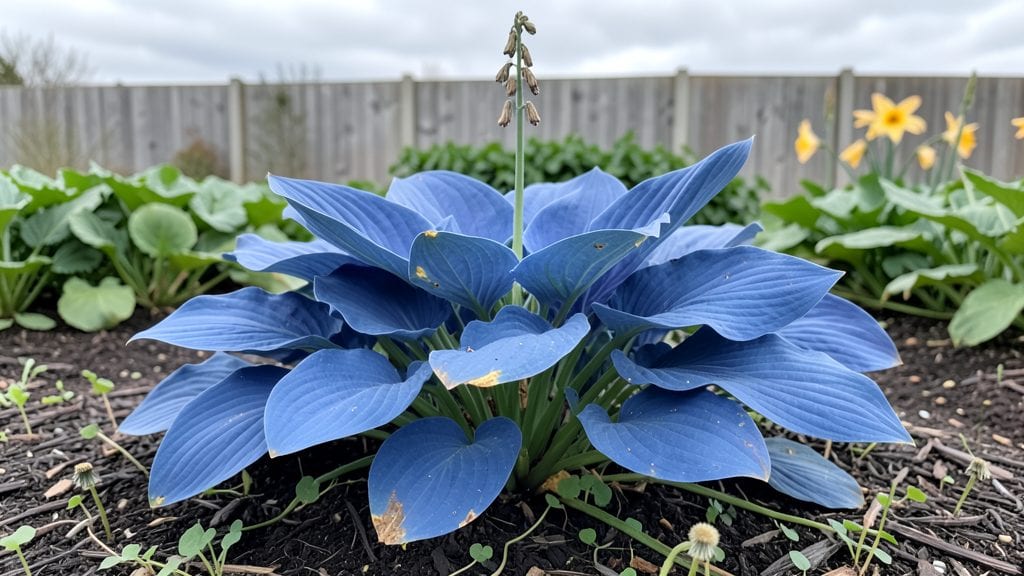
Your front garden plants should steal the show without stealing your weekends. 🌿 I’ve spent years testing combinations that bloom from spring to frost, repel pests naturally, and still look good when you’re not around to fuss over them.
The key is mixing perennials that return year after year with a few showy annuals for pops of color—no deadheading required.
Think lavender for drought-proof purple spikes, Russian sage for airy blue plumes that butterflies adore, and heuchera for the foliage equivalent of a mood ring—deep burgundy, lime green, or chocolate brown.
Add ornamental grasses like fountain grass or little bluestem for movement and texture, and you’ve got a garden that feels intentional, not overwhelming. Most of these thrive in full sun to part shade and handle heat waves like champions.
By late summer, you’ll have a front yard that neighbors admire and mail carriers envy—vibrant but low-maintenance, with layers of color that shift as seasons change. The best part?
Once established, these plants ask for almost nothing beyond occasional pruning and a deep drink when summer dries out the soil. We’re talking weekend-proof curb appeal that keeps giving.
Whether you’ve got a narrow strip of land or a spacious front yard, the same principles apply: structure first (shrubs and grasses), color layers (perennials and annuals), and finishing touches (mulch, stepping stones, or a simple trellis).
Let’s design something that looks like it belongs in a garden magazine but won’t keep you up nights worrying about upkeep.
📚 In This Guide
- What you need
- Instructions
- Tips and common mistakes
- Wrapping up and next steps
What you need
- ● Front garden plants: Choose a mix of perennials (e.g., Hosta, Coneflower, Lavender) and annuals (e.g., Petunias, Marigolds, Pansies) for year-round color. Aim for 8–12 plants (adjust based on space).
- ● High-quality potting soil: 2–3 cubic yards (depending on garden size). Opt for a blend with compost and perlite for drainage.
- ● Mulch: 1–2 bags (e.g., cedar or shredded bark) to retain moisture and suppress weeds.
- ● Organic fertilizer: 1–2 bags (e.g., 10-10-10 or slow-release granules) for seasonal feeding.
- ● Drip irrigation system or soaker hoses: 50–100 feet (or a 5-gallon watering can as a budget-friendly alternative).
- ● Garden trowel or hand shovel (for planting and soil prep).
- ● Pruning shears (sharp, bypass-style for clean cuts).
- ● Garden gloves (heavy-duty, waterproof for comfort).
- ● Wheelbarrow or garden cart (to haul soil/mulch).
- ● Measuring tape (for spacing plants 12–24 inches apart).
- ○ Optional: Kneeling pad, spray bottle for watering seedlings, or garden kneeler for comfort.
- ● Sunlight assessment: Note which areas get full sun (6+ hours/day), partial shade (3–6 hours), or full shade.
- ○ Soil test (optional but helpful): Check pH (aim for 6.0–7.0) and amend if needed (e.g., lime for acidity).
- ● Local plant hardiness zone knowledge: Select plants rated for Zones 5–9 (or your specific zone) for resilience.
- ● Weekend or sunny day: Allocate 4–6 hours for planting and setup.
Step-by-Step guide to designing a low-maintenance front garden
Here’s how to create a vibrant, care-light front garden that thrives year-round with strategic plant selection.
🌿 Step 1: Plan for Seasonal Layers and Structural Balance
Start by sketching your space, noting sun exposure and foot traffic. I divide my front garden into three layers: tall plants (4-6 feet) for the back, mid-height (2-3 feet) in the middle, and ground covers or low perennials up front. This creates depth and hides the soil line, which is especially important for curb appeal.
For year-round interest, I pair evergreens like boxwood or dwarf conifers with deciduous shrubs such as hydrangeas or abelia. These provide structure while allowing seasonal blooms to shine. In shadier spots, heuchera or ferns add texture without demanding full sun.
☀️ Step 2: Select Plants for Sun Exposure and Bloom Duration
Front gardens often get 6+ hours of sun, so choose plants that thrive in those conditions. For spring color, azaleas or rhododendrons bloom early, while peony or daylilies take over in late spring through summer. I always include at least one late-season bloomer like sedum or asters to extend the show into fall.
For minimal care, prioritize drought-tolerant perennials such as lavender, Russian sage, or coneflowers. These need watering only when soil feels bone-dry 2 inches down and rebound quickly after dry spells. Mulch with 3 inches of shredded bark to retain moisture and suppress weeds—this is the secret to reducing watering by 50%.
💧 Step 3: Install with Proper Spacing and Soil Prep
Dig holes twice as wide as the root ball but only as deep as the container’s base. Amend the native soil with 2-3 inches of compost mixed into the bottom of each hole—this improves drainage and nutrient uptake. I always loosen the roots of container-grown plants before planting to encourage outward growth.
Space perennials 12-18 inches apart and shrubs 3-5 feet apart, depending on their mature size. Overcrowding leads to competition for water and nutrients, which weakens plants and invites pests. After planting, water deeply to settle the soil and eliminate air pockets around the roots.
✂️ Step 4: Maintain with Seasonal Pruning and Deadheading
Prune early spring or late winter to shape shrubs and remove dead growth. I use clean, sharp shears to make cuts at a 45-degree angle just above a bud or branch junction. This encourages fuller regrowth and prevents disease. For perennials like black-eyed Susans or coneflowers, deadhead spent blooms in late summer to redirect energy into next year’s flowers.
Apply a slow-release fertilizer in early spring and again after flowering to support steady growth. I avoid high-nitrogen fertilizers—they promote leafy growth at the expense of blooms. Instead, I use a balanced 10-10-10 formula to keep plants healthy without overstimulating foliage.
🌱 Step 5: Add Finishing Touches for Year-Round Interest
Incorporate ornamental grasses like feather reed grass or maiden grass for movement and texture, especially in fall and winter. Their seed heads add winter interest when most plants have gone dormant. For color contrast, I tuck in evergreen ground covers such as creeping thyme or ajuga to fill gaps and prevent soil erosion.
Finally, add mulch annually in early spring to replenish organic matter and suppress weeds. A 3-inch layer of pine straw or shredded leaves keeps the garden looking neat while protecting roots from temperature swings. This simple step cuts down on weeding by 80%—the real secret to low-maintenance gardening.
Tips & tricks for perfect season-long front garden design
Creating a front garden that thrives with minimal care requires strategic planning and smart plant choices. Here are the essential tips to ensure your design stays vibrant year-round.
Layering for Visual Impact: In Step 1, when planning your three-layer structure, remember that the tall plants (4-6 feet) should be positioned at the back to avoid blocking sunlight from reaching mid-height plants. I always place boxwood or hydrangeas toward the center where they'll get balanced light exposure, while dwarf conifers work beautifully along borders or near walkways. This arrangement creates a natural progression that draws the eye through your garden while maintaining that crucial curb appeal.
Seasonal Transition Strategy: The key to year-round color lies in overlapping bloom times, as mentioned in Step 2. For a seamless transition from spring to fall, I recommend pairing azaleas (early spring) with peonies (late spring), then bridging to coneflowers (summer) and finally asters (fall). This creates a continuous color show without gaps. Pro tip: Plant sedum near your front door—it blooms late and attracts pollinators while needing virtually no water once established.
Soil Preparation Secret: The 2-3 inches of compost mentioned in Step 3 isn't just about nutrients—it's about creating the perfect planting environment. I always mix in a handful of mycorrhizal fungi with the compost to help plant roots establish faster. This symbiotic relationship boosts water and nutrient absorption, which is especially valuable for drought-tolerant plants like lavender and Russian sage. Don't skip this step if your soil is particularly dense or clay-heavy.
Pruning Precision: When deadheading perennials in late summer (Step 4), I use a technique called "selective deadheading" where I remove only the spent blooms rather than cutting back the entire stem. This preserves the plant's energy stores while encouraging more flowers. For shrubs, always prune just above a bud or branch junction—this creates a natural growth point. I keep a small notebook by my shears to record which plants respond best to early spring pruning versus late winter pruning, as some varieties like hydrangeas need different approaches.
Pro Tips for Front Garden Plants
- Creating a front garden that thrives with minimal care requires strategic planning and smart plant choices.
- Layering for Visual Impact: In Step 1, when planning your three-layer structure, remember that the tall plants (4-6 feet) should be positioned at the back to avoid blocking sunlight from reaching mid-height plants.
- Seasonal Transition Strategy: The key to year-round color lies in overlapping bloom times, as mentioned in Step 2.
Frequently asked questions
Got questions about transforming your front garden into a low-maintenance, year-round showstopper? You’re not alone! Here are answers to the most common queries about choosing, planting, and caring for front garden plants that thrive with minimal fuss.
What are the easiest front garden plants for beginners?
Start with perennials like hostas, lavender, or sedum—they’re hardy, drought-tolerant, and return every year. For instant color, try annuals such as petunias or marigolds, which bloom nonstop with minimal care. Pro tip: Pair them with evergreens like boxwood or heuchera for structure and year-round interest. Bonus: Succulents (like hens-and-chicks) need almost no water once established!
When is the best time to plant front garden flowers?
For most regions, spring (after the last frost) and early fall (6 weeks before your first frost) are ideal. Cool-season plants (e.g., pansies, snapdragons) can handle light frost, while tender perennials (like salvia or coneflowers) prefer warmer soil. Troubleshooting: If planting in summer, water deeply 2–3 times a week and use mulch to retain moisture.
How often should I water front garden plants?
Newly planted flowers need 1–1.5 inches of water per week (including rainfall). Once established, most drought-tolerant plants (like yarrow or Russian sage) thrive on weekly deep waterings. Morning watering is best—it reduces evaporation and fungal risks. Signs of overwatering: Yellowing leaves or mold; underwatering: Wilting or crispy edges. Automate it: Drip irrigation or soaker hoses save time and effort!
Can I mix perennials and annuals in my front garden?
Perennials (like daylilies or black-eyed Susans) provide structure and return yearly, while annuals (such as zinnias or cosmos) fill gaps with seasonal color. Design tip: Plant perennials in the back for height, annuals in front borders for quick impact. Example combo: Tall coneflowers (perennial) + trailing petunias (annual) for a low-maintenance, high-reward look.
How do I keep pests away from my front garden plants?
Prevention is key! Neem oil or insecticidal soap tackle aphids and caterpillars gently. Plant companions like marigolds (repel nematodes) or basil (deters mosquitoes) act as natural pest barriers. For slugs/snails, set out beer traps or copper tape. Healthy soil = resilient plants: Amend with compost to boost natural defenses. Quick fix: Handpick pests early in the morning when they’re sluggish!
Wrapping up and next steps
Transforming your front garden into a vibrant, low-maintenance haven is easier than you think! With the right front garden plants, you can enjoy season-long color and year-round appeal without the fuss.
Whether you’re drawn to hardy perennials, cheerful annuals, or evergreen shrubs, the key is choosing plants that thrive in your climate and complement each other.
Ready to get started? Sketch a simple plan—pick your favorite plants, note their sunlight needs, and arrange them for maximum impact. Then, grab your tools and dive in! Your future self (and your neighbors) will thank you for the effort. 🌸