
Tools
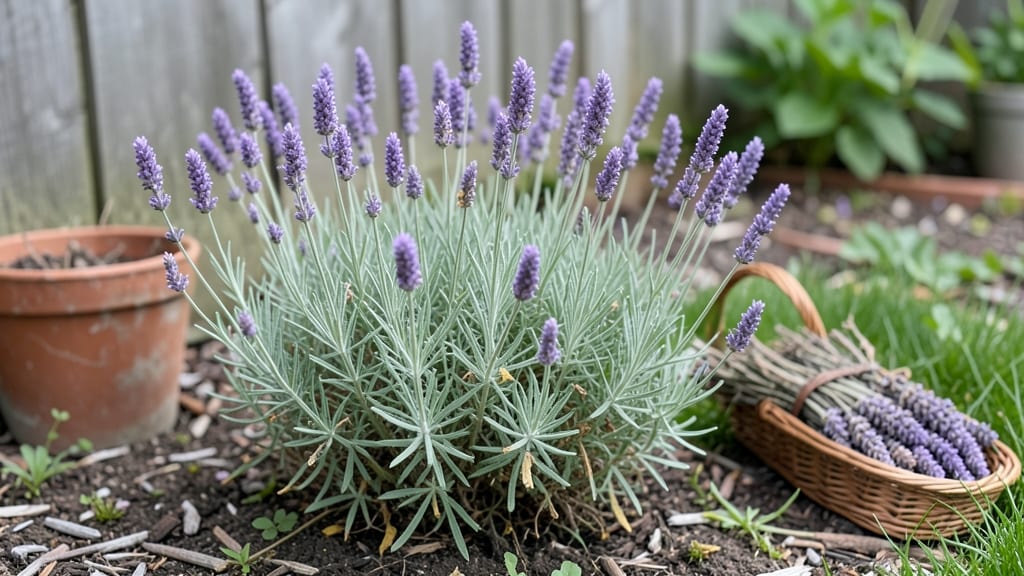
Transforming your laundry day into a fragrant, romantic garden escape starts with a French laundry garden. 🌿 I stumbled upon this idea when I realized my backyard could mirror the timeless charm of Provençal villages—where herbs hang to dry, roses climb trellises, and every corner smells like a sun-drenched afternoon.
The secret lies in layering textures and scents: fragrant lavender, woody rosemary, and climbing clematis that spill over rustic stone walls.
This isn’t just about pretty plants—it’s a functional retreat where you can snip herbs for cooking or simply sit among the blooms. Start with a 5-foot-square patch near your patio or laundry area, using gravel paths and old wooden crates for borders.
The key plants—lavender, thyme, and climbing roses—thrive in full sun and need minimal fuss once established. You’ll spend less time weeding and more time enjoying the view (and the scent).
By midsummer, you’ll have a garden that smells like a French countryside retreat, with blooms from spring through fall. The lavender alone attracts bees while keeping pests away, and the roses provide shade for a cozy afternoon read.
It’s the kind of space that makes you want to linger—whether you’re hanging laundry or just soaking in the atmosphere. The best part? It grows more beautiful each year with almost no extra effort.
Works in any yard, from city balconies to sprawling backyards—just adjust the scale. Whether you go full Provençal with a stone fountain or keep it simple with a trellis and herbs, this garden becomes your own little slice of romance. Let’s get those plants in the ground!
📚 In This Guide
- What you need
- Instructions
- Tips and common mistakes
- Wrapping up and next steps
What you need
- ● Soil & Amendments: 6–10 bags of high-quality garden soil (2–3 cubic feet per bag)
- ● 2–3 bags of compost (for nutrient-rich base)
- ● 1–2 bags of mulch (cedar or pine for texture)
- ● Plants (Layered for Year-Round Interest): Perennials: 3–5 lavender bushes, 5–7 ornamental grasses (e.g., fountain grass)
- ● Shrubs: 2–3 boxwoods or dwarf lilacs for structure
- ● Annuals: 10–15 petunias, snapdragons, or salvia for pops of color
- ● Ground Cover: 10–15 creeping thyme or ajuga plants
- ● Hardscape Elements: 4–6 rustic wooden planters (varying sizes, 12"–24" deep)
- ● 2–3 stone borders (slate or flagstone, 12"–18" wide)
- ● 1–2 wrought-iron or wooden trellises (for climbing roses or clematis)
- ● Digging & Prep: 1 garden shovel (for planting)
- ● 1 garden fork (for aerating soil)
- ● 1 wheelbarrow (for hauling materials)
- ● Planting & Maintenance: 1 hand trowel (for precision planting)
- ● 1 pruners (bypass for clean cuts)
- ● 1 watering can or hose with nozzle (gentle spray setting)
- ○ Optional (But Helpful!): Soil pH tester (to ensure optimal growing conditions)
- ● Knee pad (for comfort during planting)
- ● French-style garden gloves (for a touch of elegance 😉)
- ● ✅ Location: 6+ hours of sunlight daily (or partial shade for delicate plants)
- ● ✅ Space: Minimum 4’x4’ area (expandable for larger designs)
- ● ✅ Water Access: Proximity to a hose or irrigation system
- ● ✅ Weather Prep: Check local frost dates for planting timing
Step-by-step instructions for creating a French laundry garden
This design thrives on layers—textures, heights, and seasonal blooms that keep your garden lush year-round.
🪴 Step 1: Plan Your Layered Layout
Start by sketching a simple layout on paper. The French Laundry Garden relies on three distinct layers: tall backdrops (6-8 feet), mid-height shrubs (3-5 feet), and low-growing perennials (1-2 feet). I always dedicate one corner to a tall ornamental grass like fountain grass or pampas grass—it adds movement and softens edges beautifully.
Next, mark where your sun exposure falls. Most French-inspired gardens favor full sun to partial shade, so position sun-loving lavender and rosemary on the south or west side, while shade-tolerant ferns and hellebores go north or east. Use a 4-foot by 4-foot grid for spacing—this ensures mature plants have room to breathe without overcrowding.
🌱 Step 2: Prepare the Soil and Plant Backdrops
Amend your existing soil with 2 inches of compost and 1 inch of coarse sand to improve drainage—French gardens despise soggy roots. Use a garden fork to loosen the soil to a depth of 12 inches, breaking up any compacted layers. For taller backdrops, dig holes twice as wide as the root ball and place plants at the same depth they were in their nursery pots.
I like to start with one or two tall shrubs—think boxwoods, lilacs, or hydrangeas—as your structural anchors. Space them 4-6 feet apart to create a natural frame. Water each plant deeply after setting it in the ground, ensuring the soil settles around the roots. Mulch the base with 2 inches of shredded bark to retain moisture and suppress weeds.
🌿 Step 3: Add Mid-Height Shrubs and Perennials
Fill the middle layer with 3-5 foot shrubs like potentilla, weigela, or dwarf ninebark. These add color and texture while keeping the garden balanced. Dig holes slightly deeper than the root ball—this encourages roots to spread outward rather than stay shallow. Mix a handful of slow-release fertilizer into the backfill soil to give them a nutrient boost as they establish.
For perennials, choose clumping varieties like catmint, Russian sage, or salvia to prevent sprawl. Space them 18-24 inches apart and water thoroughly after planting. Here’s the thing—I always plant in odd-numbered groupings (3, 5, or 7) for a natural, organic look. For example, a cluster of five catmint plants creates a fuller appearance than two isolated ones.
✂️ Step 4: Incorporate Seasonal Color and Texture
French gardens shine with layered textures—pair smooth-leaved plants like hostas with spiky grasses or fuzzy lamb’s ear. Add spring bulbs like daffodils or tulips for early color, then follow with summer bloomers like coneflowers and black-eyed Susans. In fall, incorporate heuchera or sedum for late-season interest.
I like to weave in one or two climbing roses—their delicate blooms and fragrant petals are quintessential French charm. Train them along a trellis or archway for vertical interest. Water deeply once a week during the first growing season to help roots establish, then taper off to every 10-14 days once mature. Mulch again in late fall with 3 inches of shredded leaves to protect roots over winter.
☀️ Step 5: Maintain Year-Round Beauty
Prune back dead foliage in early spring before new growth appears, and trim shrubs once in late summer to encourage bushier growth. French gardens thrive on minimal intervention—focus on seasonal cleanup rather than constant pruning. For example, leave seed heads on perennials like coneflowers in winter for texture and bird interest.
Fertilize lightly in early spring with a balanced 10-10-10 formula, then again in mid-summer if you notice slower growth. The key is observation—watch for yellowing leaves (a sign of overwatering) or wilted blooms (a call for more sun). Adjust care based on what you see, not a rigid schedule.
Tips & tricks for perfect French laundry garden design
Creating a French Laundry Garden isn't just about planting—it's about crafting a living tapestry. Here are the secrets that'll help your garden flourish with that signature French elegance.
Layering Like a Pro: When planning your 6-8 foot tall backdrops, think of them as the "walls" of your garden room. I always place my tallest plants—like fountain grass or boxwoods—along property lines or fences to create instant definition. The key is to stagger heights within each layer so no one plant feels isolated. For example, if you have a 7-foot hydrangea, pair it with a 5-foot lilac and a 3-foot potentilla behind it to create visual interest. This creates that signature French "room" effect where every plant has its own space but contributes to the whole.
Soil Secrets for French Gardens: That 2 inches of compost and 1 inch of coarse sand mix isn't just about drainage—it's about creating the perfect French garden soil texture. The sand prevents compaction while the compost feeds roots gradually. Here's what nobody tells you: After amending, water the soil deeply and let it settle for 24 hours before planting. This gives the soil structure time to stabilize, preventing root shock when you plant your shrubs. And trust me on this—skipping this step can lead to plants that look healthy above ground but struggle to establish roots.
Odd Numbers Create Magic: The instructions mention planting in odd-numbered groupings, but here's why it works: Our eyes naturally follow odd-numbered arrangements because they create visual movement. A trio of catmint plants (3) draws the eye differently than a pair (2), which can look static. For maximum impact, arrange your groupings in a loose triangle formation—this creates a natural focal point that feels intentional rather than random. Pro tip: When planting your five catmint cluster, place the tallest in the center and fan out the shorter ones around it for perfect balance.
Seasonal Color Planning: French gardens shine because they're planned season by season. Start by selecting plants that offer something at every turn: Use spring bulbs like daffodils for early color, then layer in summer bloomers like black-eyed Susans, and finish with fall interest from heuchera. Here's my game-changer: Dedicate one corner to a "color wheel" arrangement where you place plants with complementary colors next to each other. For example, pair purple salvia with yellow coreopsis and pink dianthus—they'll pop against each other all season long. This approach ensures your garden never looks flat, even in winter when many plants go dormant.
Pro Tips for French Laundry Garden
- Creating a French Laundry Garden isn't just about planting—it's about crafting a living tapestry.
- Layering Like a Pro: When planning your 6-8 foot tall backdrops, think of them as the "walls" of your garden room.
- Soil Secrets for French Gardens: That 2 inches of compost and 1 inch of coarse sand mix isn't just about drainage—it's about creating the perfect French garden soil texture.
Frequently asked questions
Got questions about creating your own French Laundry Garden? You’re not alone! Here are some of the most common queries—and their answers—to help you bring this timeless charm to life.
What plants are essential for a French Laundry Garden?
A true French Laundry Garden thrives on layered textures and fragrance. Start with classic lavender, roses (like David Austin varieties), and fragrant herbs such as rosemary, thyme, and sage. Add structural plants like boxwood, hydrangeas, and ornamental grasses for depth. Don’t forget climbers like clematis or jasmine for vertical interest!
How long does it take to see results?
Patience is key! With proper care, you’ll see noticeable blooms in 2–3 months, but full maturity (especially for perennials and shrubs) can take 1–2 years. Annuals like petunias or marigolds deliver instant color, while roses and lavender build over time. Pro tip: Prune regularly to encourage bushier growth!
How often should I water my French Laundry Garden?
Watering depends on your climate, but aim for deep, infrequent watering (1–2 inches per week). Mulch heavily to retain moisture, and water early in the morning to reduce evaporation. Overwatering is the enemy! Most plants in this style prefer well-draining soil—avoid soggy roots, especially for lavender and herbs.
Can I create this garden in containers or small spaces?
French Laundry Gardens thrive in containers—just choose large pots (18+ inches deep) for shrubs like lavender or roses. Mix herbs, trailing ivy, and dwarf varieties (e.g., ‘Angelina’ sedum) for a mini version. Place pots near windows or patios to maximize fragrance and visual appeal. Bonus: Elevate pots for better drainage!
What pests should I watch for, and how do I prevent them?
Common pests include aphids, spider mites, and snails. Use neem oil or insecticidal soap for soft-bodied bugs, and set out beer traps for slugs. Prevention tips: Encourage beneficial insects (like ladybugs) with marigolds, and keep the garden tidy to deter hiding spots. Healthy soil = resilient plants!
How can I add the signature “French” touch?
It’s all about romantic details! Use wrought-iron trellises, vintage terracotta pots, and climbing roses. Add a stone path, weathered wooden benches, or a small fountain for ambiance. Don’t forget fragrance—plant near seating areas for a sensory experience. Think “old-world charm meets modern elegance”!
Wrapping up and next steps
Creating a French Laundry Garden is all about embracing timeless elegance with seasonal charm—layering textures, colors, and scents to craft a space that feels like a breath of Parisian countryside.
Whether you’re drawn to the romance of roses, the rustic allure of lavender, or the delicate grace of peonies, this garden style proves that beauty thrives in simplicity and intention. 🌸
Ready to bring this dream to life?
Start small—pick one corner of your yard or a cozy balcony—and let your love for layered beauty guide you. Sketch your vision, gather your plants, and watch your garden bloom into a sanctuary of effortless sophistication. Need a roadmap? Dive into our step-by-step planning guide to turn inspiration into reality!