Vegetables
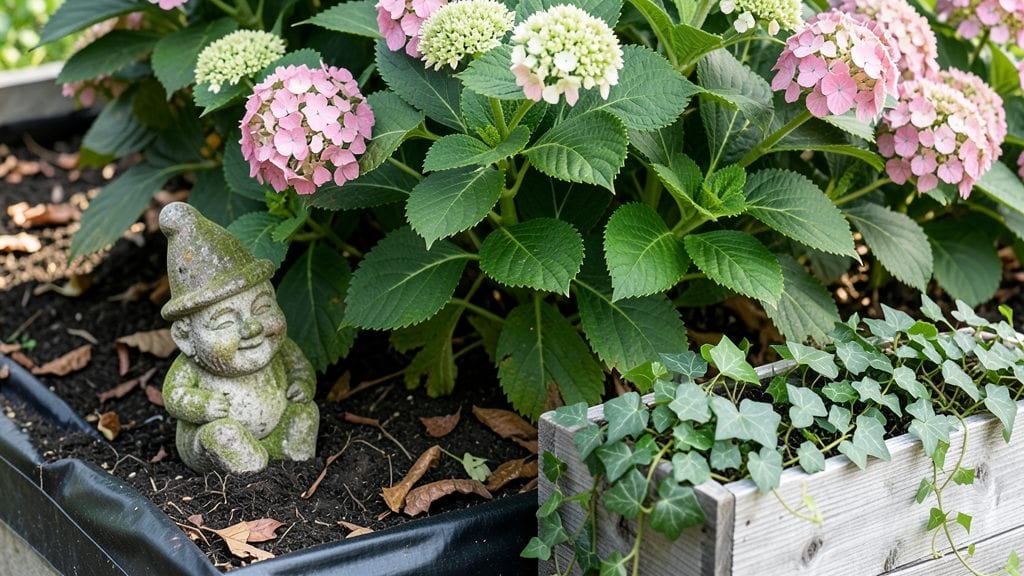
The latest in English gardens packs season-long layers of elegance into small spaces—fragrant climbers spilling over trellises, edible perennials tucked into borders, and textured foliage that transforms with every turn of the year. ✨ I fell for this approach after struggling with... my first raised bed, where everything looked flat and seasonal.
The solution? Vertical interest, repeating color themes, and plants that serve multiple purposes—like lavender for bees and borders.
This isn’t about grand estates—it’s about compact charm using what you already have. Start with a mix of evergreens for structure, annuals for pops of color, and perennials that self-seed or spread gently. My go-to combo includes boxwood for sharp edges, nepeta for airy texture, and violas for winter color.
The key is layering heights (tall, medium, low) so every corner feels intentional, even in a 4x8-foot plot.
By summer, you’ll have a garden that smells like a country lane—sweet peas climbing, thyme releasing its scent underfoot, and roses blooming in waves. The best part? It’s low-maintenance once established, with built-in pollinator highways and year-round interest. Even my black thumb can’t kill this setup.
Works for city balconies, suburban backyards, or rural cottages—just adjust the scale. Here’s how to start small and build layers that last through every season.
📚 In This Guide
- What you need
- Instructions
- Tips and common mistakes
- Wrapping up and next steps
What you need
- ● Soil & Amendments: High-quality garden soil (2–3 cubic yards, depending on space)
- ● Compost (1–2 bags, 40 lb each) for nutrient-rich beds
- ● Slow-release organic fertilizer (e.g., 10-10-10, 5–10 lbs)
- ● Plants (Seasonal Layers): Perennials: Lavender (3–5 plants), Heuchera (4–6 plants), and Sedum (5–7 plants) for structure.
- ● Annuals: Pansies (10–12 plants), Calendula (6–8 plants), and Lobelia (12–15 plants) for color.
- ● Vegetables (compact varieties): Cherry tomatoes (2–3 plants, e.g., 'Tiny Tim')
- ● Dwarf French beans (5–6 plants, e.g., 'Mascotte')
- ● Lettuce (4–5 plants, 'Little Gem' or 'Salad Bowl')
- ● Herbs: Thyme, Oregano, and Chives (3–5 plants each) for fragrance and utility.
- ● Hardware & Tools: Garden trowel (1–2, stainless steel)
- ● Hand pruners (1 pair, bypass-style)
- ● Garden gloves (2 pairs, breathable fabric)
- ● Watering can (1–2, 1–2 gallon capacity)
- ● Mulch (2–3 bags, 2 cubic feet each; straw or shredded bark)
- ● Decorative elements: Small trellises (1–2), vintage pots (2–3), or a miniature bench for charm.
- ● Lighting: Solar-powered stake lights (4–6) for evening ambiance.
- ● Support structures: Cage or stake for tomatoes (1–2), and pebble stones for pathways (10–15 lbs).
- ● Seasonal swaps: Store-bought seedlings (e.g., marigolds for summer, kale for fall) to refresh layers.
Instructions for crafting season-long English garden layers
Here’s how to build a refined, year-round English garden in compact spaces—layer by layer.
🌱 Step 1: Plan Your Structural Foundation
Start with 4-6 permanent anchor plants—these define your garden’s height and structure. Choose slow-growing perennials like lavender, boxwood, or hydrangeas for their long-term stability. Place taller plants at the back or center, gradually stepping down in height toward the edges. This creates natural depth even in small spaces.
I always sketch a rough layout first, marking where each plant will go. Use a 12-inch grid to visualize spacing—this prevents overcrowding as plants mature. For example, a 6-foot boxwood at the back pairs beautifully with 3-foot lavender in front, leaving room for seasonal fillers.
🌿 Step 2: Add Mid-Layer Plants for Seasonal Interest
Fill gaps with 3-4 mid-height perennials like salvia, catmint, or ornamental grasses to bridge the space between anchors and ground cover. These plants provide texture and color shifts throughout the year. For instance, purple salvia blooms in summer, while winter aconite adds early spring color.
Space these 18-24 inches apart to allow airflow and prevent disease. I like to group plants with similar water needs together—this makes maintenance effortless. For example, pair drought-tolerant lavender with catmint and avoid mixing them with moisture-loving ferns.
🪴 Step 3: Layer Ground Cover for Year-Round Appeal
Choose low-growing, spreading plants like creeping thyme, ajuga, or sedum to fill the final layer. These plants suppress weeds, retain moisture, and create a lush carpet effect. For a 4-foot-wide bed, I use sedum along the edges and ajuga in shaded areas—both thrive with minimal care.
Plant ground cover 6-12 inches apart, depending on the variety. Over time, they’ll fill in completely, eliminating bare soil. I always mulch lightly with 2 inches of shredded bark to conserve moisture and keep weeds at bay. This layer is your garden’s finishing touch—it ties everything together.
☀️ Step 4: Incorporate Seasonal Accents for Continuous Color
Add 3-5 seasonal plants like pansies in spring, geraniums in summer, and chrysanthemums in fall to keep your garden vibrant year-round. These annuals or short-lived perennials fill gaps and extend the blooming season. For example, pansies brighten early spring, while mums take over in autumn.
Place these accents near pathways or focal points where they’ll be most visible. I like to rotate them annually to prevent soil depletion and keep the design fresh. Always check their sun and water requirements—mixing them with the wrong plants can lead to stress or failure.
⏰ Step 5: Maintain Layers for Long-Term Elegance
Prune dead or overgrown foliage in early spring to encourage new growth. For perennials like lavender or salvia, I trim back one-third of the previous year’s growth just as new shoots appear. This keeps them compact and flowering vigorously.
Fertilize lightly in early spring and mid-summer with a balanced, slow-release formula to support layered growth. Water deeply once a week during dry spells, focusing on the root zones of established plants. A well-maintained English garden thrives on consistency—small, regular efforts yield big rewards.
Tips & tricks for perfect season-long English garden layers
Creating a layered English garden that thrives year-round takes thoughtful planning and a few insider tricks. Here's what I've learned after designing gardens that stay lush and elegant through every season.
The Height Gradient Secret: In Step 1, when positioning your anchor plants, create a gradual height decrease from back to front—this is the hallmark of classic English gardens. For a 4-foot-wide bed, I start with a 6-foot boxwood at the back, then step down to 3-foot lavender in front. This visual progression makes small spaces feel much larger. The key is to measure each plant's mature height, not its current size—most nurseries provide this information.
Plant Grouping for Low Maintenance: Step 2's spacing instructions (18-24 inches) work perfectly when you group plants with similar water needs together. I create "water zones" in my garden—one for drought-tolerant plants like lavender and salvia, another for moisture-loving varieties. This approach saves time and prevents overwatering or underwatering. For example, I place all my Mediterranean herbs together where they get afternoon sun and minimal water.
Ground Cover Placement Strategy: When adding your final layer in Step 3, place sedum along the edges of pathways where it gets good airflow and sunlight, while ajuga thrives in shadier spots near the house foundation. The 6-12 inch spacing might seem generous now, but it prevents competition as these plants spread. I always add a 2-inch layer of shredded bark mulch immediately after planting—this keeps weeds down and locks in moisture for the first critical growing season.
Seasonal Rotation Hack: For Step 4's seasonal accents, I maintain a "rotation bank" of 10-12 different plants that I swap out annually. This prevents soil depletion and keeps the design feeling fresh. I mark each plant's sun requirements on the back of its pot with a permanent marker—this simple habit prevents me from making costly mistakes when placing new plants. The early spring pansies and autumn chrysanthemums are my go-to workhorses because they bridge the gap between winter dormancy and summer growth.
Pro Tips for English Gardens Latest
- Creating a layered English garden that thrives year-round takes thoughtful planning and a few insider tricks.
- The Height Gradient Secret: In Step 1, when positioning your anchor plants, create a gradual height decrease from back to front—this is the hallmark of classic English gardens.
- Plant Grouping for Low Maintenance: Step 2's spacing instructions (18-24 inches) work perfectly when you group plants with similar water needs together.
Frequently asked questions
What are the best vegetables to grow in an English garden for compact spaces?
English gardens thrive with space-efficient, layered crops like lettuce, radishes, and bush beans for quick harvests. For height, try pole beans or cucumbers on trellises. Herbs like thyme or parsley add fragrance and fill gaps. Choose dwarf varieties of tomatoes or peppers to save space while maximizing yield.
When is the ideal time to plant for a season-long harvest?
Start cool-season crops like spinach or kale in early spring (March–April) or late summer (August–September) for fall harvests. Warm-season veggies (e.g., zucchini, peppers) need soil temps above 60°F—plant after last frost (typically May). Succession planting every 2–3 weeks ensures continuous harvests.
How can I troubleshoot common pests in compact English gardens?
Use row covers for early pests like cabbage moths or aphids. Companion planting (e.g., marigolds with tomatoes) deters pests naturally. For stubborn issues, try neem oil or insecticidal soap. Regularly inspect leaves and soil for signs of damage—early action prevents outbreaks in tight spaces.
Are there low-maintenance alternatives to traditional English garden layouts?
Yes! Try square-foot gardening (1’x1’ grids with mixed crops) or raised beds for better drainage and fewer weeds. Container gardening (e.g., hanging baskets for herbs) works for balconies. Mulch heavily to retain moisture and suppress weeds—ideal for busy gardeners.
How do I extend the growing season in cooler climates?
Use cold frames or hoop tunnels to protect plants from frost. Plant hardy greens (like swiss chard) in late summer for winter harvests. Succession planting with fast growers (e.g., radishes) keeps the garden productive year-round.
Wrapping up and next steps
From season-long layers to compact elegance, English gardens prove that even small spaces can thrive with the right techniques. Whether you're a beginner or a seasoned gardener, these tips will help you create a lush, low-maintenance vegetable haven that’s as charming as it is productive. 🌱
Ready to transform your garden? Start by picking one technique—like succession planting or vertical growing—and experiment with it this season. Before you know it, you’ll be harvesting fresh veggies while enjoying the timeless beauty of an English garden! 🌿
- Next step: Grab your seeds, sketch a quick layout, and dive in!