
Landscaping
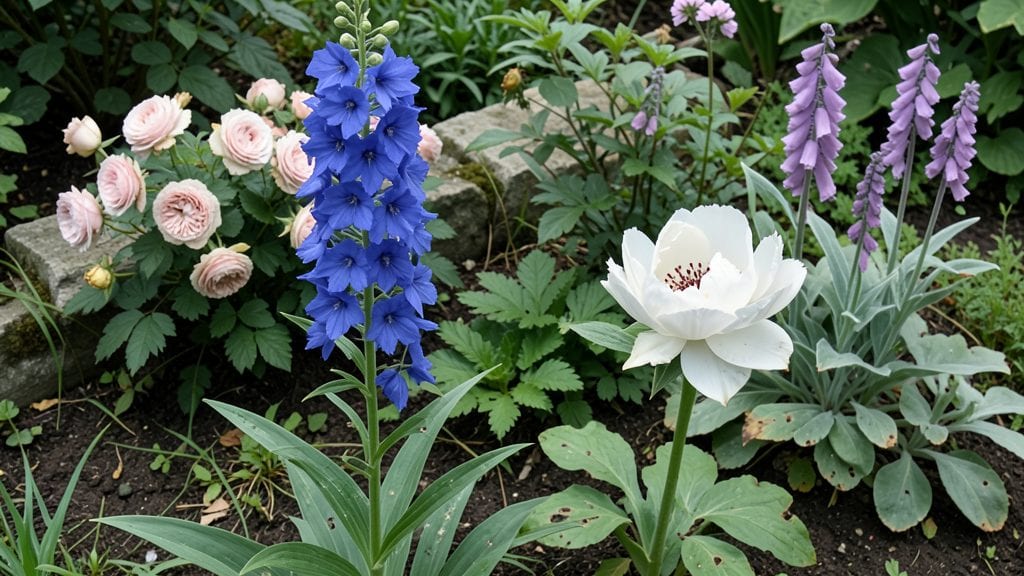
Creating an English garden landscaping design turns your yard into a romantic escape straight from a storybook. 🌿 I fell for this style after visiting a cottage garden where roses tangled over stone walls and lavender drifted toward a babbling brook—it felt like stepping into another world.
The secret lies in layering plants, textures, and seasonal interest so every corner has something to offer, whether it's spring's delicate blooms or winter's evergreen structure.
Start with classic elements like a winding gravel path that invites exploration, mixed borders packed with roses, peonies, and foxgloves, and topiaries that add structured charm. Water features—even a simple stone trough—bring that quintessential English garden ambiance.
The key is balancing wildness with order: let some plants spill over while others stay neatly clipped, and mix heights for visual drama.
You’ll end up with a space that feels lived-in yet effortlessly elegant, where every season reveals new surprises. The scent of roses in June, the golden hues of autumn foliage, and the quiet beauty of frost-kissed berries in winter make this style worth the effort.
Even small spaces can pull off the look with vertical gardens and container arrangements.
Adapting it to modern needs means choosing low-maintenance perennials alongside traditional favorites and using hardscaping like stone walls or arbors to define areas without overwhelming the space. The result? A garden that’s as practical as it is picturesque—where you’d happily spend every afternoon.
📚 In This Guide
- What you need
- Instructions
- Tips and common mistakes
- Wrapping up and next steps
What you need
- ● Perennials (for structure & color): Peonies (3–5 bushes)
- ● Roses (3–6 varieties, e.g., David Austin roses)
- ● Delphiniums (2–3 clumps for height)
- ● Foxgloves (10–15 plants for drama)
- ● Lavender (5–10 plants for fragrance)
- ● Annuals (seasonal pops of color): Sweet peas (5–10 vines for trellises)
- ● Nasturtiums (10–15 plants, edible & vibrant)
- ● Pansies or violas (20–30 plants for ground cover)
- ● Ornamental grasses: Feather reed grass (3–5 clumps)
- ● Miscanthus (2–3 plants for texture)
- ● Shrubs & climbers: Hydrangeas (2–3 bushes for lush foliage)
- ● Clematis (3–5 vines for vertical interest)
- ● Boxwood or yew (for structured hedges, if needed)
- ● Mulch: 2–3 cubic yards of wood chips or straw (for pathways & beds)
- ● Gravel or pebbles: 1–2 bags (for pathways or borders)
- ● Must-haves: Garden spade & trowel (for planting)
- ● Pruners (sharp, bypass-style for clean cuts)
- ● Garden fork (for aerating soil)
- ● Wheelbarrow (for hauling materials)
- ● Hose with adjustable nozzle (for watering)
- ● Nice-to-haves: Edging tool (for crisp garden borders)
- ● Garden kneeler & seat (for comfort)
- ● Trellis or arbor kit (for climbing plants)
- ● Soil tester kit (to check pH & nutrients)
- ● Compost bin (for organic matter)
- ● Site assessment: Check sunlight exposure (full sun to partial shade)
- ● Test soil drainage (English gardens thrive in well-draining soil)
- ● Permits (if applicable): Verify local regulations for structures like arbors or fences.
- ● Seasonal timing: Plant perennials in early spring or fall for best root establishment.
- ● Budget considerations: Allocate ~$500–$2,000+ depending on size and plant selections.
Step-by-Step instructions for creating an English garden
Let’s craft a timeless cottage garden that blooms with charm and thrives through every season.
🌿 Step 1: Plan Your Layout with Natural Curves
English gardens embrace organic shapes over rigid lines. Sketch your space, marking soft, winding paths that meander through beds. I like to use a 4-foot-wide walkway between planting areas—just enough room for a wheelbarrow or a stroll. Cluster plants in loose groups of 3-5 to mimic the wild, abundant feel of a cottage garden.
Add a focal point like an arbor, bench, or small pond to anchor the design. Place it where it draws the eye naturally—perhaps near a corner or along a path. The key is to create layers: tall perennials in back, mid-height shrubs in the middle, and trailing flowers spilling over edges. This ensures year-round interest, from spring bulbs to winter evergreens.
🪴 Step 2: Layer Soil and Mulch for Rich, Fertile Beds
Start with 6 inches of topsoil mixed with 3 inches of compost to feed roots deeply. I like to add a handful of bone meal (for phosphorus) and kelp meal (for micronutrients) to boost growth. Work the mix into the ground until it’s loose and fluffy—roots need room to spread, not compacted soil.
Top with 2 inches of organic mulch, like shredded bark or straw, to suppress weeds and retain moisture. Keep mulch 2 inches away from plant stems to prevent rot. This layer also regulates soil temperature, keeping roots cool in summer and insulated in winter. Replenish mulch annually to maintain its benefits.
☀️ Step 3: Plant a Mix of Perennials, Annuals, and Climbers
Choose hardy perennials like lavender, peonies, and delphiniums for structure—they return year after year. Fill gaps with annuals such as sweet peas, marigolds, and nasturtiums for bursts of color. I always include climbing roses or clematis to train over arbors or trellises, adding vertical drama.
Space plants according to their mature size—crowding leads to disease and weak growth. For example, roses need 3-4 feet of clearance, while lavender thrives in 18-inch spacing. Group plants with similar water needs together to simplify care. Water deeply after planting to settle the soil and encourage root establishment.
✂️ Step 4: Add Whimsical Touches and Seasonal Accents
English gardens sparkle with details: vintage teacups as planters, stone stepping stones, or wrought-iron bird feeders. I like to scatter old bricks or slate slabs as edging for beds—it’s rustic and practical. Add seasonal accents like spring bulbs (tulips, daffodils), summer annuals (pansies, snapdragons), and autumn foliage (Japanese anemones, asters).
Don’t forget scented plants—place roses, jasmine, or thyme near seating areas so visitors can enjoy their fragrance. A small fountain or birdbath adds movement and attracts wildlife, completing the cottage charm. These touches make the garden feel lived-in and inviting.
💧 Step 5: Maintain with Gentle Care and Seasonal Pruning
Water in the early morning to reduce evaporation and fungal risks. Aim for 1 inch of water weekly, delivered slowly so it soaks into the soil. English gardens thrive on regular but moderate care—avoid heavy-handed pruning. Deadhead spent blooms to encourage more flowers, but leave seed heads for winter interest.
Prune late winter or early spring before new growth appears. Cut back perennials by one-third and shape shrubs to maintain their form. Mulch again in fall to protect roots from freezing. This routine keeps the garden lush, vibrant, and full of life with minimal effort.
Tips & tricks for perfect English garden landscaping
Creating a cottage garden takes patience and attention to detail—here are the secrets to making it thrive with that signature English charm.
Design with Organic Flow: In Step 1, when sketching your winding paths, remember that English gardens feel natural, not geometric. Use a 4-foot walkway as your guide, but don't be afraid to let paths curve unpredictably—this creates that signature meandering charm. For focal points like arbors, position them where they become a natural resting spot for the eye, not just a decorative afterthought. Think of your garden as a conversation rather than a rigid composition.
Soil Science Matters: The 6 inches of topsoil mixed with 3 inches of compost in Step 2 isn't just about nutrition—it's about creating the perfect crumbly texture that English gardens are famous for. I've learned the hard way that compacted soil leads to stunted growth, so take the time to work the mix until it's as light as cake batter. That 2-inch mulch layer isn't just decorative—it's a temperature regulator that keeps roots happy year-round.
Plant Placement Precision: When arranging your 3-5 plant clusters in Step 3, pay special attention to mature sizes. That 3-4 foot clearance for roses isn't arbitrary—it prevents disease by ensuring good airflow. For lavender, the 18-inch spacing might feel tight, but trust me, it rewards you with denser, more fragrant bushes. Grouping plants by water needs simplifies maintenance, but don't forget to leave room for those trailing flowers to spill over edges naturally.
Seasonal Layering Strategy: The whimsical touches in Step 4 are what make English gardens magical. For spring, I always add tulips and daffodils in drifts rather than straight lines—they'll naturalize beautifully over time. In summer, those pansies and snapdragons should spill over container edges like they're tumbling from a basket. And for winter interest, leave those seed heads standing—they provide food for birds and architectural beauty when everything else is dormant.
Pro Tips for English Garden Landscaping
- Creating a cottage garden takes patience and attention to detail—here are the secrets to making it thrive with that signature English charm.
- Design with Organic Flow: In Step 1, when sketching your winding paths, remember that English gardens feel natural, not geometric.
- Soil Science Matters: The 6 inches of topsoil mixed with 3 inches of compost in Step 2 isn't just about nutrition—it's about creating the perfect crumbly texture that English gardens are famous for.
Frequently asked questions
Got questions about creating your dream English garden landscaping? You’re not alone! Here are answers to the most common queries—from timing to troubleshooting—to help you bring cottage charm to life with confidence.
When is the best time to plant an English garden?
The ideal time to start is early spring or early autumn, when soil is workable and temperatures are mild. Perennials and shrubs thrive with cooler roots, while spring-blooming bulbs (like daffodils or tulips) should be planted in fall. For instant impact, layer plants with varying bloom times—think spring bulbs, summer perennials, and fall/winter interest (like ornamental grasses or berries).
What’s a budget-friendly way to achieve an English garden look?
Skip expensive imported plants—opt for native perennials (like lavender, foxgloves, or black-eyed Susans) and herbaceous borders for texture. Use mulch (straw or wood chips) to suppress weeds and retain moisture. Thrift stores or local plant swaps often have vintage garden tools or secondhand trellises for that classic touch. Even a wildflower meadow (seeds cost pennies!) adds whimsy.
How do I keep pests (like slugs or aphids) out of my English garden?
Slugs and aphids are common but manageable! Copper tape around borders deters slugs, while neem oil or soapy water sprays tackle aphids. Encourage beneficial insects (like ladybugs) by planting marigolds or dill. For a natural barrier, try crushed eggshells around plants—slugs hate the texture! Rotate crops annually to disrupt pest life cycles.
Can I create an English garden in partial shade?
Shady spots thrive with hostas, ferns, astilbes, and lungwort. Add layered shrubs (like hydrangeas or pieris) for height and texture. A woodland-style path with stepping stones or gravel complements the vibe. For color, try heuchera (coral bells) or bleeding heart—both love dappled light. Just avoid soggy soil by amending with compost or installing a French drain if needed.
How long does it take for an English garden to “fill in”?
Patience is key! First-year gardens will look sparse, but by year two, perennials and shrubs will fill gaps. Bulbs (like alliums) may take 2–3 years to reach full bloom, while climbing roses or clematis need trellises for support (install early!). Mulch heavily in winter to protect roots. Most gardens hit their “wow” phase by year three—stick with it!
What’s the easiest way to add vertical interest without a fence?
No fence? No problem! Use obelisks, arbors, or trellises (painted white for classic charm) to train climbing roses, clematis, or honeysuckle. For a rustic look, lean old wooden ladders against walls or plant tall grasses (like Miscanthus) in clusters. Hanging baskets with trailing ivy or fuchsias also add height—just ensure they’re secured to avoid wind damage.
Wrapping up and next steps
Creating an English garden landscaping space is all about embracing nature’s charm with a touch of whimsy—layering perennials, adding rustic hardscapes, and keeping seasonal appeal alive.
Whether you’re drawn to the romantic cottage style or the structured elegance of a formal English garden, the key is to start small, stay inspired, and let your garden evolve organically. 🌿
Ready to transform your outdoor space? Begin by sketching a simple layout or browsing plant varieties that suit your climate. Then, gather tools, materials, and a vision—your dream garden is just a shovel’s throw away!